SAEDNEWS: After weeks of intense conflict between Iran and the United States, a new understanding between Iran and Oman over a temporary commercial shipping route could provide Tehran with additional leverage.
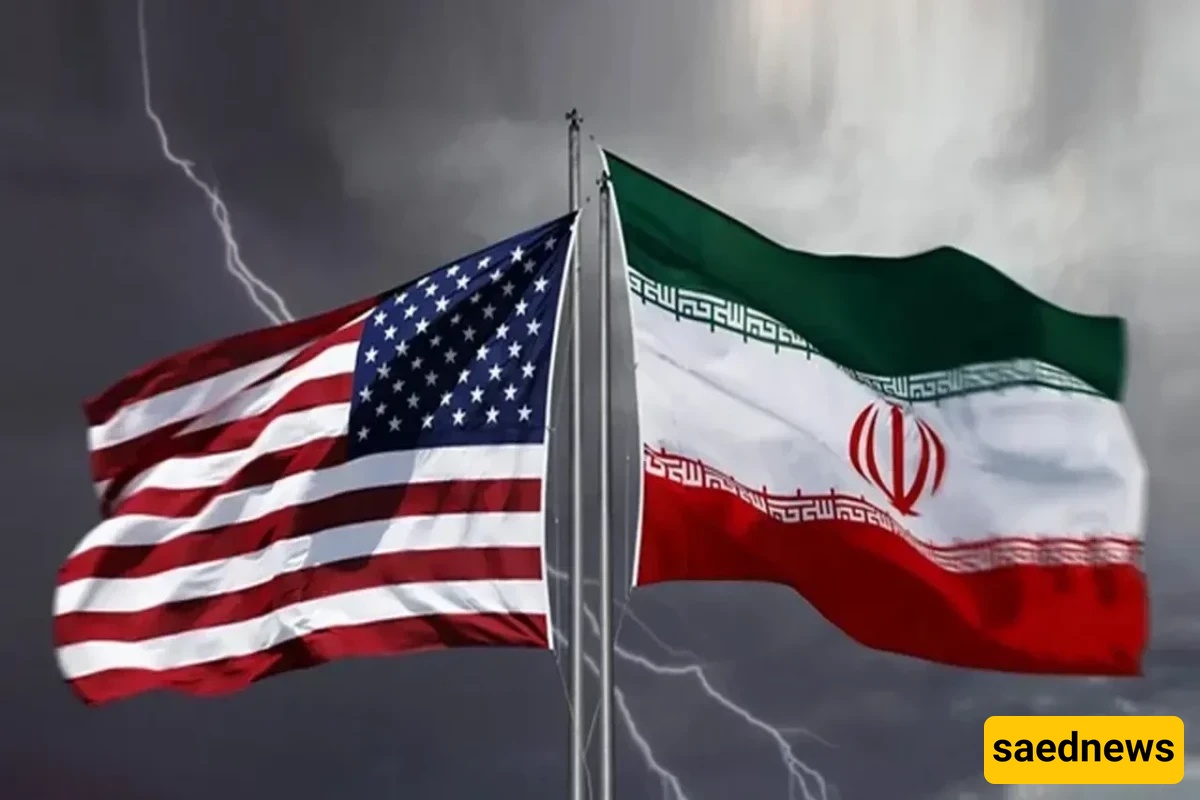
According to SaedNews: What began as a fragile ceasefire between Iran and the United States has evolved into a much broader confrontation over the Strait of Hormuz, maritime security and the terms of a previous understanding between the two sides.
Now, as Iran and Oman move toward a new shipping arrangement, one prominent Middle East analyst argues that the outcome of the conflict may have been very different from what Washington initially intended.
Iran and the United States reached a ceasefire in June 2026, following the Ramadan conflict, with Pakistan playing a mediating role. A subsequent understanding was signed between the two sides, creating a temporary framework for reducing tensions.
But the calm did not last.
Following the ceasefire, the United States established what was described as a southern corridor in the waters around Oman without coordinating with Iran. Tehran objected to the move and interpreted the creation of the corridor as being inconsistent with Article 5 of the understanding.
Tensions then escalated around the Strait of Hormuz.
According to the source, the United States subsequently attacked coastal areas in southern Iran. Senior Iranian officials, including Mohsen Rezaei, an adviser to Iran's leadership, accused Washington of violating the terms of the understanding.
Iranian officials argued that attacks on Iranian coastal areas and U.S. support for Israel amounted to a clear violation of Washington's commitments to halt military operations.
Iran responded with missile and drone attacks against U.S. military bases in the region.
The confrontation reached one of its most dangerous points when Iran's main military command announced that the Strait of Hormuz would be completely closed to shipping.
That announcement transformed the maritime dispute into the central pressure point of the conflict.
According to analysts cited in the source, the continued U.S. attacks were aimed at reducing Iran's ability to threaten shipping through the Strait of Hormuz. What began as a dispute over the implementation of an understanding therefore developed into a broader pressure campaign.
But while military confrontation intensified, diplomacy never completely disappeared.
Back-channel discussions continued through mediators, particularly Oman, in an effort to find a way back to the original understanding.
That diplomatic track has now produced what is being described as an imminent agreement between Iran and Oman.
At the center of the arrangement is a proposed new commercial shipping route through Iranian territorial waters.
Under the preliminary agreement described in the source, Iran and Oman have agreed on a new maritime route that would operate for 60 days.
The objective is to replace previous temporary routes and provide greater security for commercial shipping.
More importantly, Iranian officials view the arrangement as a mechanism for activating Article 5 of the Iran-U.S. understanding.
That distinction matters.
Tehran has repeatedly emphasized that an agreement with Oman does not, by itself, mean the Strait of Hormuz is being reopened.
Iran's position, according to the source, is that reopening the Strait would require a change in U.S. behavior and steps to address what Tehran considers violations of the previous understanding.
In this interpretation, the Oman agreement is not simply a maritime arrangement.
It is also a negotiating instrument.
Iran can use the agreement to create a controlled framework for commercial shipping while maintaining pressure on Washington to return to its commitments under the broader understanding.
That may be one of the most important consequences of the latest diplomatic development.
Instead of treating the Oman agreement as an independent settlement, Tehran appears to be connecting it directly to the larger dispute with Washington.
The question is whether the strategy has worked.
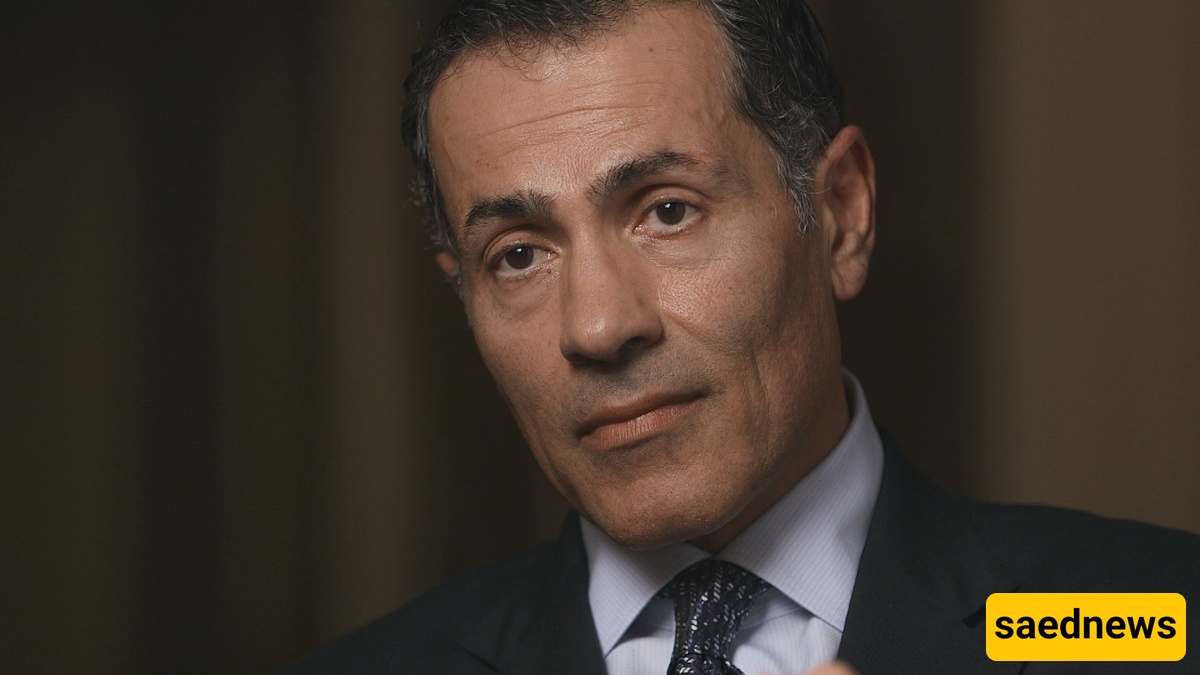
Vali Nasr, a former Middle East adviser to the Obama administration and a professor at Johns Hopkins University, believes the answer may be yes.
Assessing the latest developments, Nasr argued that a month of intense bombing was followed by what he described as a major achievement: an agreement between Iran and Oman designed to clarify and strengthen the language surrounding Iran's control over the Strait of Hormuz.
According to Nasr, the new arrangement could help create a pathway for both Iran and the United States to return to the understanding.
But his most striking conclusion concerns the balance of power created by the conflict.
Nasr said the military pressure applied by the United States over the previous month appears to have improved the terms of the understanding in Iran's favor.
That assessment turns the conventional interpretation of the conflict on its head.
Military pressure was presumably intended to weaken Iran's ability to use the Strait of Hormuz as leverage and force Tehran into a more restrictive position.
Yet if Nasr's assessment is correct, the result may have been the opposite.
The conflict may have pushed the negotiations toward clearer and tougher language regarding Iran's control over the Strait while simultaneously creating a new diplomatic mechanism through Oman.
The proposed 60-day shipping route could therefore represent more than a temporary solution for commercial vessels.
It could become a test of whether the two sides can return to the broader understanding without immediately reopening all of the unresolved political and military disputes.
For Oman, the arrangement also provides a diplomatic channel between competing sides at a moment when direct trust remains extremely limited.
For Iran, it offers a way to regulate maritime movement while maintaining its position over the Strait.
And for the United States, the emerging arrangement could become an opportunity to restore the previous understanding — but potentially under conditions that are less favorable to Washington than before.
The central issue remains U.S. behavior.
Iranian officials have repeatedly said that the Oman agreement alone will not reopen the Strait of Hormuz. From Tehran's perspective, any broader reopening would depend on changes in Washington's conduct and what Iran considers a correction of previous violations.
That leaves the region facing an unusual diplomatic equation.
The Strait of Hormuz remains at the center of the confrontation, but diplomacy surrounding it may now be stronger than it was before the latest escalation.
Whether the 60-day shipping arrangement becomes a lasting mechanism or merely another temporary pause remains uncertain.
What is increasingly clear, however, is that the conflict has not produced the straightforward outcome that military pressure might have been expected to deliver.
According to Vali Nasr's assessment, the intense fighting may have actually strengthened Iran's negotiating position.
The next stage will depend on whether Washington and Tehran can use the new Iran-Oman arrangement to return to the broader understanding — and whether the conditions surrounding the Strait of Hormuz can be transformed from a source of confrontation into a controlled channel for de-escalation.
For now, the proposed shipping route represents a fragile diplomatic opening.
But it also carries a much larger message: after weeks of military escalation, the battle over the Strait of Hormuz may ultimately be decided not only by military power, but by who succeeds in shaping the rules governing the waterway.