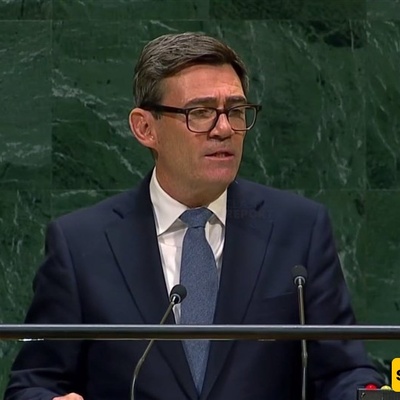
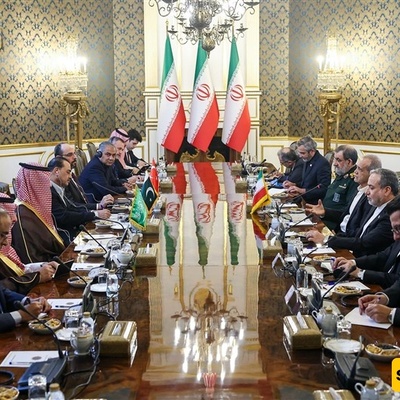
Saed News: An American admiral warned that a war with Iran has exhausted the U.S. Navy’s budget and manpower.
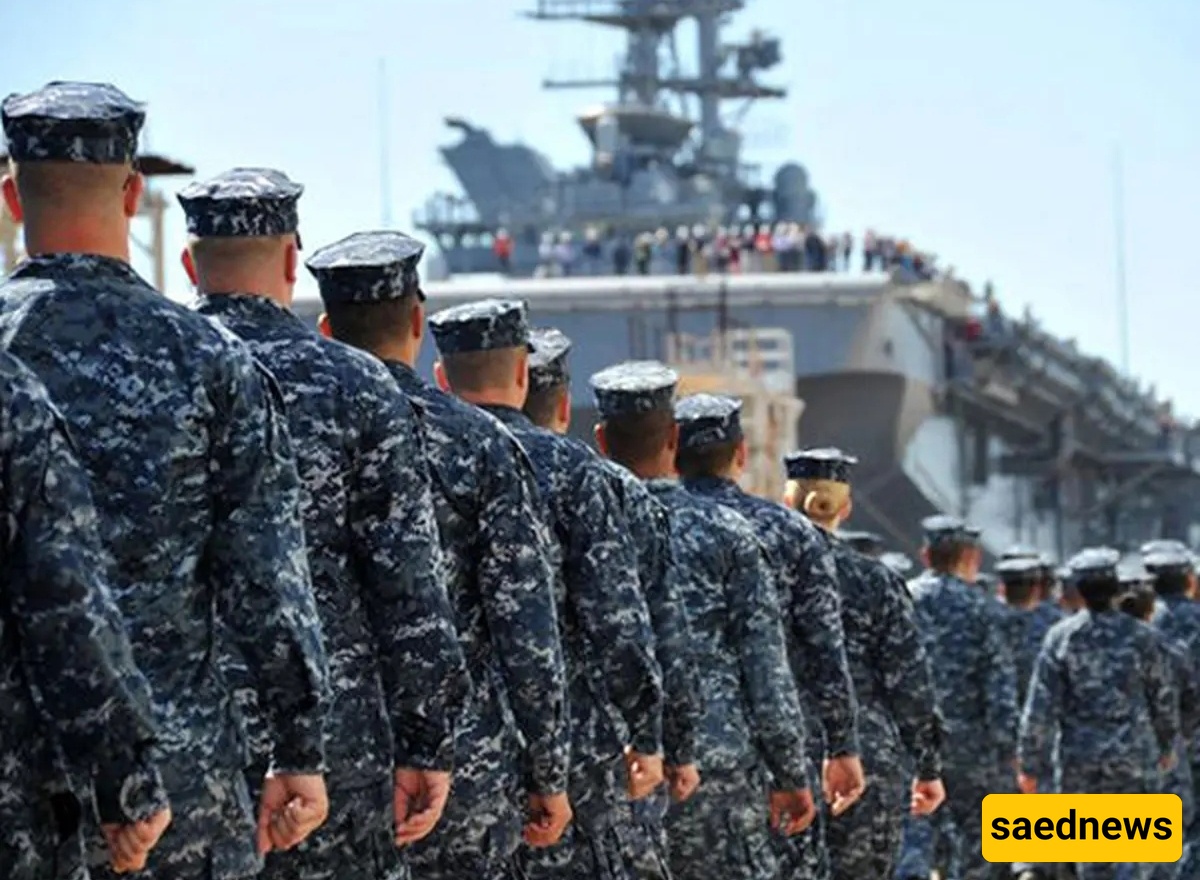
According to SAEDNEWS, Admiral Daryl Caudle, the Chief of Naval Operations of the United States Navy, warned that unless emergency funding is allocated for the U.S. war against Iran, the Navy will be forced from July onward to reduce training, routine operations, and some personnel programs.
Speaking before the U.S. House Armed Services Committee, he stated that the fiscal year 2026 budget did not account for the costs of the operation known as “Epic Rage” against Iran. He said the extensive presence of the U.S. Navy in the Middle East has imposed heavy costs, and continuing this situation has created significant operational pressure.
According to him, fuel expenses, operational hours, maintenance, and munitions costs are rising rapidly, and if supplemental funding is not approved, the U.S. Navy will have to make difficult decisions starting in July.
Caudle also warned that the budget shortage would affect personnel status, halting the transfer and deployment of between 12,000 and 15,000 new sailors. He added that recruitment and reenlistment bonuses would also face difficulties.
According to Pentagon estimates, the cost of the U.S. and اسرائیل war against Iran, which began on February 28, had reached approximately $29 billion by Tuesday, compared to $25 billion reported two weeks earlier.
Meanwhile, the White House plans to request supplemental funding between $80 billion and $100 billion from Congress, a large portion of which would be allocated to replenishing munitions stockpiles consumed during the war.
However, Republican senators have stated that the chances of approving this request face serious obstacles, as dissatisfaction is growing over the Trump administration’s lack of a clear strategy in the war. At the same time, some members of Congress have criticized the administration for delaying the formal submission of the funding request.
Pete Hegseth, the U.S. Secretary of Defense, responded to questions regarding the timing of the supplemental budget request by saying only that the Pentagon is aware of all these challenges, without providing further details.