SAEDNEWS: US Considers $20 Billion Release of Frozen Iranian Assets Amid Ongoing Negotiations, Amid Nuclear Dispute and Political Uncertainty
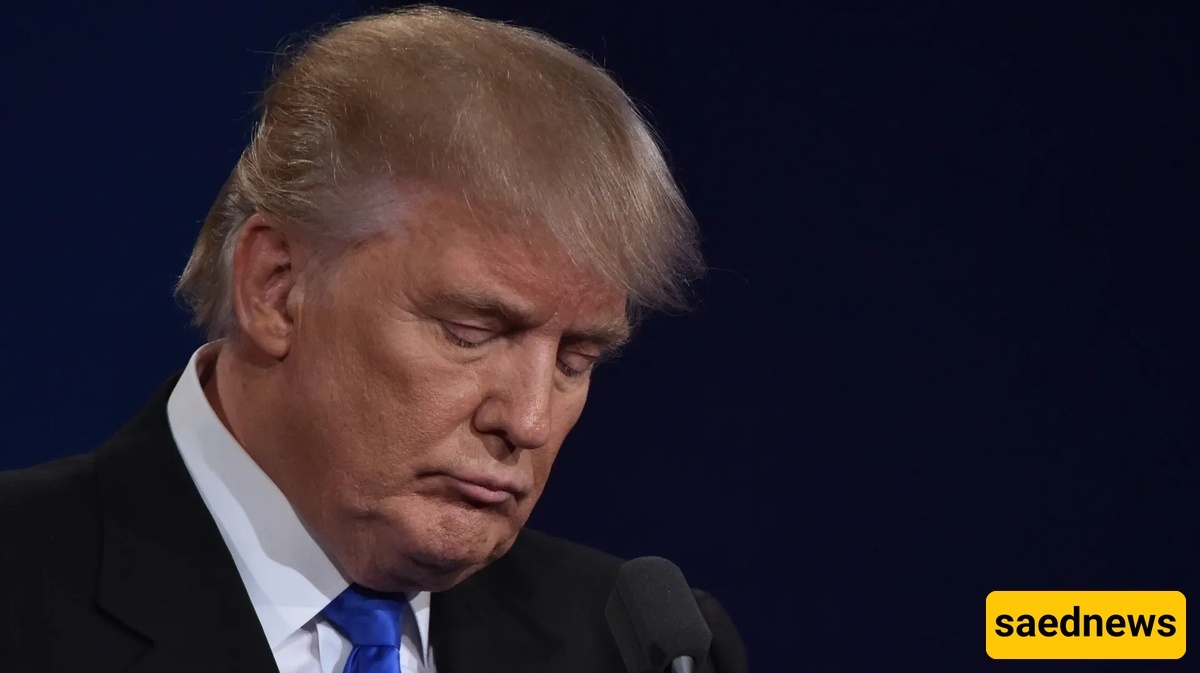
According to the political desk of the Saed News Agency, two informed sources involved in the negotiations say the Trump administration is considering the release of $20 billion in Iranian assets as part of ongoing discussions with Tehran.
Sources speaking to CNN said officials hope a broader agreement to end the conflict could be finalized as early as this weekend, although several areas of disagreement still remain.
Any financial benefit for Iran is expected to trigger backlash from hardline conservatives, as U.S. President Donald Trump has repeatedly criticized former President Barack Obama, including over a 2016 arrangement in which $400 million in cash was delivered to Iran on the same day the country released four American prisoners and formally implemented the nuclear deal.
Senior Pakistani mediators—who have recently held close contact with high-ranking Trump administration officials, including Pakistan’s army chief General Asim Munir—began a third round of talks with Iranian officials in Tehran on Friday. The Trump administration reportedly hopes that if these discussions succeed and Pakistan can help push Iran toward a serious compromise, a possible second round of direct U.S.–Iran talks to finalize an agreement could be held this weekend in Islamabad.
According to the same sources, a 10-day ceasefire between Israel and Lebanon announced by Trump on Thursday has had a positive impact on the negotiations. Iran also stated on Friday morning that it would fully reopen the Strait of Hormuz.
The main remaining points of contention include how long Iran must suspend uranium enrichment, as well as the handling of nuclear material still in Iran’s possession.
One proposal under consideration involves releasing frozen assets in exchange for Iran transferring its stockpile of highly enriched uranium. One source said Iran is demanding substantial sanctions relief and access to more than the proposed $20 billion in assets. The talks remain ongoing and have not been finalized.
Axios was the first outlet to report that the release of $20 billion in Iranian assets was under discussion.
White House spokesperson Anna Kelly said in a statement: “Constructive talks with Iran continue, but we will not negotiate through the media.”
In an interview with NewsNation on Friday, Trump said Iran has agreed to “everything,” including stopping uranium enrichment. In a Truth Social post the same morning, he wrote that the U.S. would receive Iran’s nuclear “dust” and that no money would be exchanged under any peace agreement to end the conflict, stating: “No money will be exchanged in any form.”
In a series of posts, Trump also praised the reopening of the Strait of Hormuz, claimed Iran had agreed never to close it again, and said both the U.S. and Iran were working to remove mines from the strategic waterway. He also stated NATO had contacted him asking whether assistance was needed, and he told them to stay away.
A U.S. official said the posts came as the president was receiving regular updates from Pakistani mediators on progress in Tehran.
Trump also suggested on Thursday he might visit Pakistan personally if a deal is reached. Earlier this week, a U.S. official told CNN that Trump had privately expressed interest in traveling abroad to sign a peace agreement.
However, it remains unclear whether negotiations have advanced enough to make such a visit possible, and major questions remain about logistical and security risks for a presidential trip to the region during ongoing tensions.