SAEDNEWS: In this article, you will find an answer to a frequently asked question these days: why has the Islamic Republic of Iran not closed the Strait of Hormuz in past years?
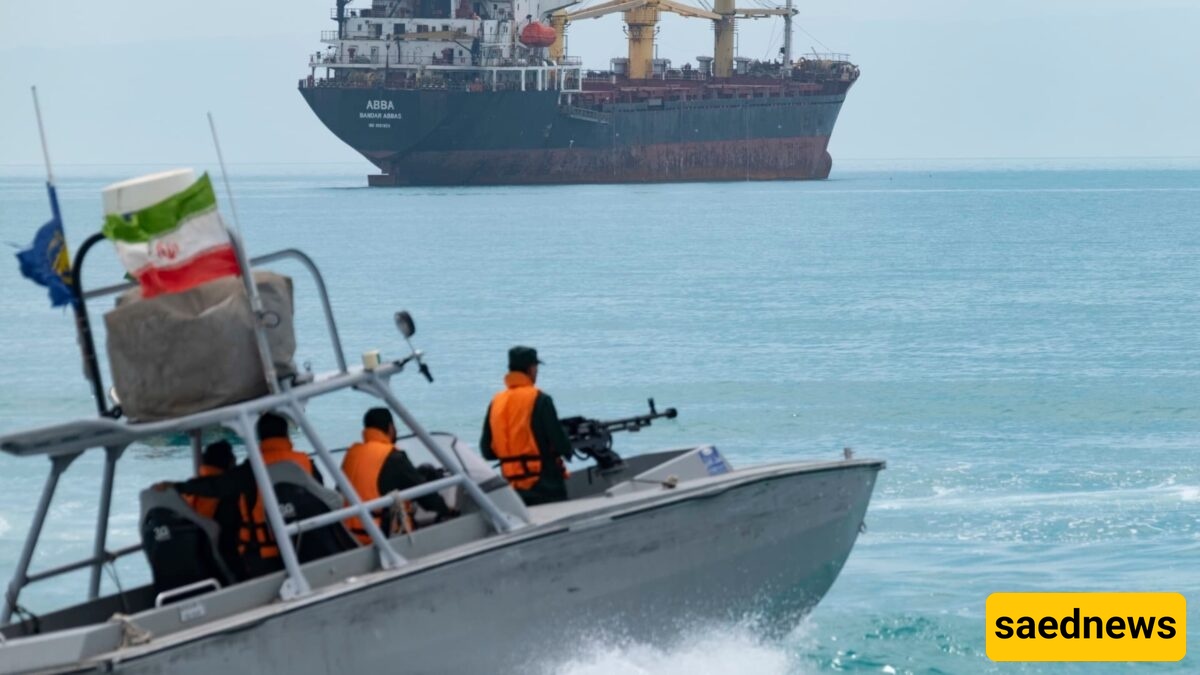
According to a policy report from Saednews citing Hamshahri Online, in recent days the idea of closing the Strait of Hormuz has once again become a major headline, with global search engines recording a surge in interest around the term “Hormuz.” This has raised a recurring question: why has Iran not closed the Strait earlier?
The reality is that the idea of closing the Strait of Hormuz is not new at all. It has been repeatedly discussed as a strategic leverage tool since the time of the late Imam Ruhollah Khomeini. Even in earlier periods, he stated that Iran had adopted a policy of strategic patience regarding this issue.
In later years, the topic was repeatedly raised by experts and strategic analysts. Once, during his presidency, Hassan Rouhani stated that there was no justification for Iranian oil to be blocked while others’ oil continues to pass freely through the Strait. This remark was reportedly welcomed by General Qasem Soleimani.
Iran’s revolutionary leadership has also acknowledged the strategic importance of this issue, and at one point the Islamic Consultative Assembly (Parliament) even brought an emergency bill to consider closing the Strait.
The answer is relatively straightforward. According to the late Rear Admiral Alireza Tangsiri, commander of the IRGC Navy and a key figure associated with the concept of controlling the Strait during wartime conditions, such an action would require direct military engagement in the area. Iran’s official policy, however, has never been to initiate war.
A preemptive move would have undermined Iran’s legal legitimacy, created a global consensus against it, and damaged the country’s image of “power combined with victimhood.”
For the Islamic Republic, public opinion and international legitimacy have always been important principles. The ideology of the revolution is also intended to be presented within a framework of perceived legitimacy. For this reason, the Strait of Hormuz option has historically remained at the level of deterrence rather than actual execution.
The report argues that if such an action is considered today, it would be framed strictly within the context of self-defense. It further suggests that under current conditions, Iran would not retreat from any strategic gains it has achieved.
It also criticizes former U.S. President Donald Trump, claiming his policies contributed to opening the path for Iran to consider such options, describing it as one of his strategic miscalculations.