SAEDNEWS: After failed weekend talks in Islamabad, the U.S. military said it will begin a naval blockade of Iran’s ports and coastal traffic from Monday, threatening a fragile ceasefire and pushing oil prices higher amid global inflation fears.
According to the Political Desk of Saednews News Agency. Quoting Reuters, the U.S. military announced that it will begin blocking all maritime traffic entering and leaving Iranian ports and coastal areas starting Monday, after weekend negotiations failed to produce an agreement to end the conflict with Iran. The move raises concerns over the stability of a fragile two-week ceasefire.
The talks in Islamabad, which lasted from Saturday into early Sunday, marked the first direct meeting between U.S. and Iranian officials in more than a decade and the highest-level engagement since Iran’s 1979 Islamic Revolution. The discussions took place days after a ceasefire was declared on Tuesday, intended to end six weeks of fighting that left thousands dead across the Persian Gulf, disrupted critical energy supplies, and raised fears of a wider regional war.
U.S. Central Command stated that the maritime blockade would take effect at 10:00 a.m. Eastern Time (1400 GMT) on Monday and would be enforced “impartially against all vessels of all countries entering or leaving Iranian ports,” including those in the Persian Gulf and the Sea of Oman.
The statement clarified that vessels transiting the Strait of Hormuz en route to non-Iranian ports would not be stopped, and further guidance would be issued to commercial shipping before the operation begins.
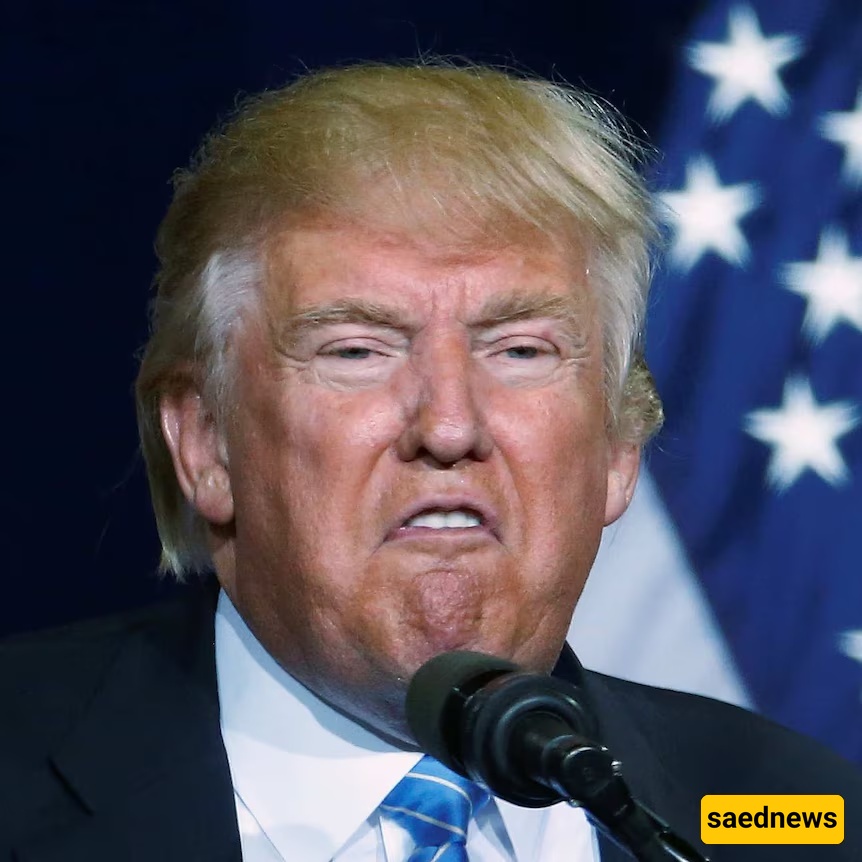
Former U.S. President Donald Trump said on Sunday that American forces would also intercept any vessel in international waters that had paid fees to Iran, stating on social media: “No one paying illegal tolls will have safe passage on the high seas.” He added that “any Iranian firing at us or peaceful ships will be sent to hell,” and said the U.S. Navy had begun operations to remove mines allegedly placed by Iran in the Strait of Hormuz.
Following the announcement, oil prices surged more than 7%, surpassing $100 per barrel, while global financial markets reacted sharply, with stock futures falling and the dollar strengthening amid heightened geopolitical tensions.
Analysts warned that the operation could be difficult to sustain. Dana Stroul, former senior Pentagon official, said the mission would be challenging in both the short and long term and unlikely to remain stable if prolonged.
The Islamic Revolutionary Guard Corps (IRGC) warned that approaching Iranian-controlled waters would be considered a violation of the ceasefire and would be met with a strong response, further escalating tensions.
A U.S. official stated that Iran had rejected several American demands, including halting uranium enrichment, dismantling key nuclear facilities, and surrendering highly enriched uranium. Washington also reportedly called for Iran to stop funding regional groups such as Hamas, Hezbollah, and the Houthis, and to fully reopen the Strait of Hormuz.
Iranian media reported partial progress in the talks but identified the Strait of Hormuz and the nuclear program as the main unresolved issues. Iranian Foreign Minister Abbas Araghchi said Iran was close to reaching a “memorandum of understanding in Islamabad,” but faced “excessive demands, shifting red lines, and blockade pressure,” adding that “no lesson has been learned; goodwill brings goodwill, hostility brings hostility.”
Even if the ceasefire holds, analysts expect it will take time for energy flows in the Gulf to normalize, likely leading to higher fuel prices and increased global inflationary pressure.
Trump told Fox News that oil and gasoline prices could remain elevated until the U.S. midterm elections, acknowledging potential political consequences.
Iranian Parliament Speaker Mohammad Bagher Ghalibaf also posted a map of gasoline prices in Washington, commenting sarcastically on rising fuel costs.
Iranian President Masoud Pezeshkian, in a call with Russian President Vladimir Putin, called for a “balanced and fair agreement,” stating that progress would be possible if the United States returned to international legal frameworks.