SAEDNEWS: Delster grape is a non-alcoholic malt beverage. This article examines its Islamic ruling and explains how it differs from beer and other malt drinks.
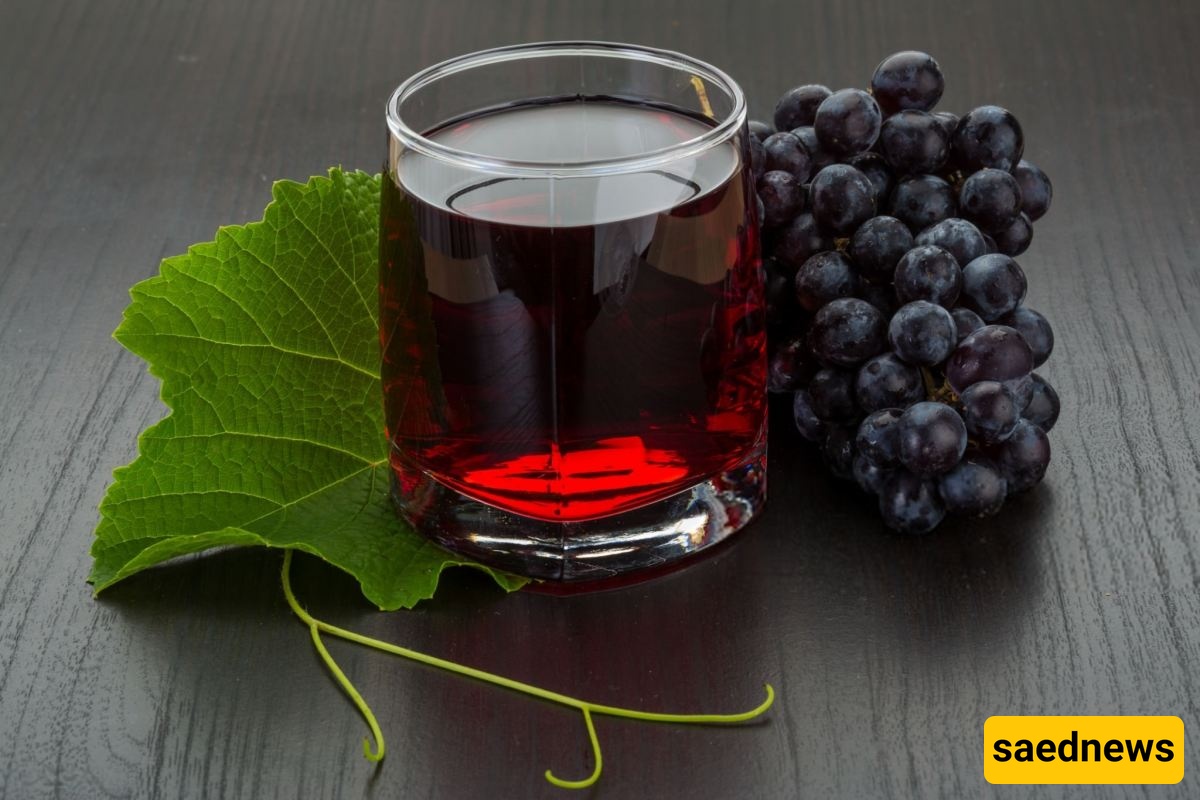
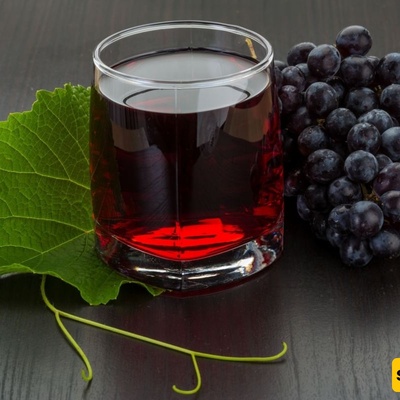
According to Saednews, In recent years, a variety of flavored beverages have entered the consumer market, with Delster becoming one of the most popular. Delster is a type of non-alcoholic malt beverage available in several flavors, including lemon, orange, pomegranate, and grape. Among these varieties, grape-flavored Delster has attracted considerable attention due to its distinctive color and taste. However, alongside its popularity, an important question has arisen among many religiously observant consumers: Is drinking grape-flavored Delster permissible under Islamic law?
One of the most common misconceptions among consumers is that Delster, beer, and other malt beverages are the same. In fact, these three drinks can differ significantly in their production processes and religious rulings.
Malt beverages: These are produced from barley extract, and alcoholic fermentation either does not occur during production or is completely halted. They are generally considered permissible (halal), provided they contain no intoxicating substances.
Beer: This is an alcoholic beverage produced through the complete fermentation of barley. Because of its intoxicating properties, its consumption is prohibited (haram) in Islam.
Delster: This is an intermediate type of beverage in which a small amount of alcohol may be produced during manufacturing but is subsequently removed during later processing stages. Its religious ruling depends on the amount of residual alcohol and other relevant jurisprudential considerations.
These distinctions make it clear that such beverages cannot be assigned the same religious ruling merely because they look similar or have similar names.
In Islamic jurisprudence, the principal criteria for determining whether a beverage is prohibited include its intoxicating properties and fermentation-related processes. Any liquid that is inherently intoxicating, or that becomes intoxicating through fermentation, is considered prohibited. Conversely, liquids that possess neither of these characteristics are generally permissible for consumption.
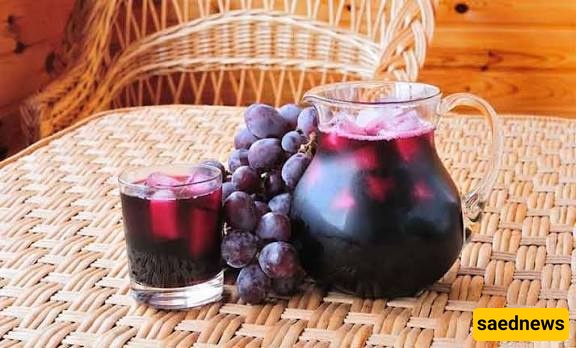
Accordingly, if grape-flavored Delster or another malt beverage is produced in such a way that it has no intoxicating properties and has not undergone a prohibited intoxicating fermentation process, consuming it is generally permissible. This principle provides the basis for the jurisprudential discussion presented in this article.
Based on the explanations provided, the question of whether drinking grape-flavored Delster is permissible can be answered as follows:
If the grape beverage has not been boiled, consuming it is permissible. If it has been boiled to the point that two-thirds of its volume evaporates and one-third remains, it is also considered halal.