SAEDNEWS: Is There a Specific Amount for Giving Charity? – Understanding Charitable Giving, Recommended Charity Amounts, the Practice of Giving Charity, and the Rewards of Charity

According to Saednews, as per Islamic narrations, giving charity is recommended, even if it consists of something very small. Those who do not have much financial means can still fulfill this divine instruction by giving a little. Charity is not limited to the wealthy; it is encouraged for both rich and poor.
Charity is believed to increase sustenance and blessings, help bring healing from illnesses, and prolong life.
Islam places great emphasis on the value and importance of charity. The Quran and Islamic narrations explain its significance and the manner in which it should be given.
In Islam, there are two types of charity: obligatory charity, which includes Zakat, and voluntary charity (Sadaqah). The Quran and Islamic narrations specify how obligatory charity should be distributed and who is eligible to receive it. Here, we will focus on voluntary charity.
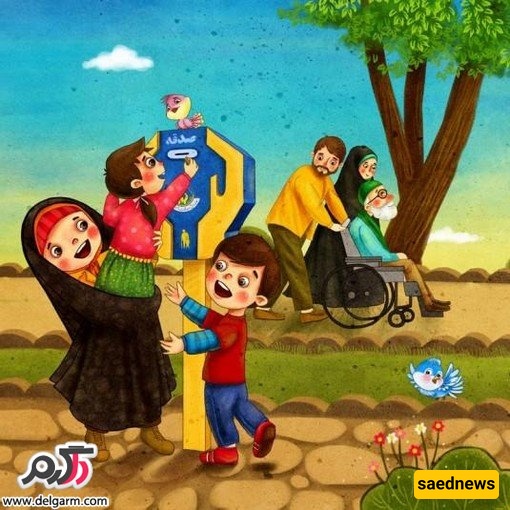
There are many narrations about the virtues of charity and its numerous benefits. These include increasing sustenance and blessings, helping bring healing from illnesses, protection from the fire of Hell, warding off seventy calamities and hardships in this world, and prolonging life.
God praises charitable giving but does not approve of two ways of giving charity:
Giving charity for show: Charity performed to impress others is invalid from the outset.
Giving charity while reminding recipients of it or hurting them: Such behavior destroys the reward and value of the charitable act.
These forms of charity are invalid because they are not performed sincerely for God's pleasure, or because the giver fails to maintain a sincere intention and undermines the act by reminding the recipient of the favor or causing them harm.
Another important aspect of giving charity is whether it should be given publicly or privately.
The Quran discusses and praises both public and private charity because each has its own benefits.
Public charity can encourage others to do good deeds and reassure poor and needy people that members of society care about them and are willing to help meet their needs. This can reduce feelings of despair and encourage them to remain hopeful and active. It also demonstrates that wealth and business activities need not serve only personal interests, but can benefit society as well.
Private charity, on the other hand, helps protect the giver from showing off and preserves the recipient's dignity, preventing them from feeling humiliated or inferior.
Therefore, public charity may have broader social benefits, while private charity may be more sincere and free from ostentation.
Since sincerity is a fundamental principle of religion, the more sincere an act is, the greater its virtue. For this reason, God Almighty gives preference to secret charity, stating: “If you give charity privately, it is better for you.”
It is narrated from Imam Ja'far al-Sadiq (peace be upon him) that he said:
“What God has made obligatory for you is better to perform publicly than privately, while what He has made voluntary is better to perform privately than publicly.”
When giving charity, a person should also maintain moderation. They should neither be stingy in giving nor give so much that they create financial difficulties for themselves.
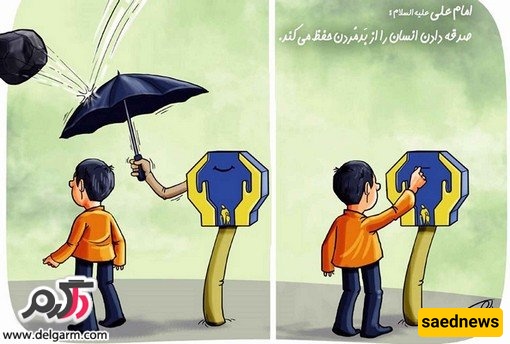
The Quran and Islamic narrations instruct believers to give from what is good and wholesome. This means giving pure and lawful wealth that has been acquired through legitimate means.
People should also avoid giving charity from things that are inferior or of little value.
Charity is given to seek God's pleasure. The act involves both the needy recipient and God. Failing to observe these principles may be disrespectful to God and demeaning to those who are poor and vulnerable.
An elderly and wealthy man named Amr ibn Jamuh once asked the Prophet Muhammad (peace be upon him) what he should give in charity and to whom he should give it.
A Quranic verse was revealed instructing the Prophet to say that whatever good and beneficial material or spiritual resources people give should go to parents, relatives, orphans in need, the poor, and stranded travelers.
These groups are examples of deserving recipients rather than an exhaustive list. Both the things that can be given and the people who can receive charity encompass a wide range.
However, priorities are established. Parents come first, followed by needy relatives, then orphans, and other people in need. This includes people who are not ordinarily poor but have become needy because of an unexpected circumstance, such as running out of money while traveling.
Therefore, the minimum amount of charity depends on a person's financial ability. Some Islamic narrations even describe offering a single drink of water as an act of charity.

According to the Quran and Islamic narrations, charity is a highly valuable act. However, the giver should act sincerely for God's pleasure and avoid undermining the reward by reminding recipients of their generosity or causing them harm.
There is no fixed minimum amount for voluntary charity. Any amount a person can afford is sufficient, and even a small act of kindness can count as charity. When distributing charity, priority should be given to needy parents and relatives, followed by other deserving recipients.