SAEDNEWS: Must every missed prayer be performed at its designated time? How should a missed (Qada) prayer be performed? What is the ruling if a person forgets while performing the prayer? Find the answers to these questions according to the rulings of Islamic religious authorities.

According to Saednews, Certainly, in Islam, prayer (Salah) is regarded as one of the greatest acts of worship and is often described as the key to Paradise. It is an important obligation that may sometimes be missed. Qada prayer refers to a prayer that a person was unable to perform within its prescribed time and must therefore make up later. For example, if someone misses a prayer because of travel, illness, or another reason, they are required to perform it at another time. Below are some commonly asked questions and answers regarding missed prayers.
For example, must a missed Fajr prayer be performed in the morning and a missed Dhuhr prayer at noon?
No. A missed Fajr prayer does not have to be performed in the morning, nor does a missed Dhuhr prayer have to be performed at noon. Missed prayers may be performed at any time.
(Istifta'at of Imam Khomeini, Vol. 1, p. 183, Q. 205)

No. This is not sufficient. The person must perform the prayer standing, provided they are physically able to do so.
(Istifta'at of Imam Khomeini, Vol. 1, p. 180, Q. 197)
Changing from a later prayer to an earlier one is permissible. For example, a person may change the intention from a missed Asr prayer to a missed Dhuhr prayer.
(Istifta'at of Imam Khomeini, Vol. 1, p. 183, Q. 204)
No. They should be recited aloud.
(Istifta'at of Imam Khomeini, Vol. 1, p. 184, Q. 208)
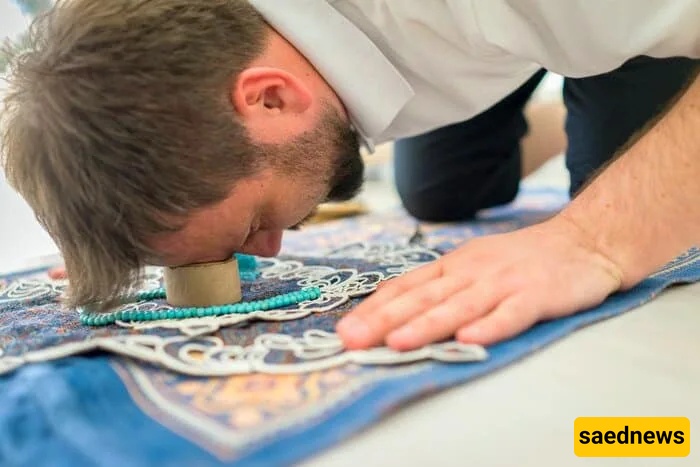
The prayer should be performed with the intention of being performed within its prescribed time (Ada), although a person should not deliberately delay the prayer until so little time remains.
(Tawdih al-Masa'il of the Twelve Maraji', Vol. 1, Ruling 748)
If failing to wake them would amount to negligence or showing disregard for the importance of prayer, they should be awakened.
(Istifta'at of Imam Khomeini, Vol. 1, p. 133, Q. 25)
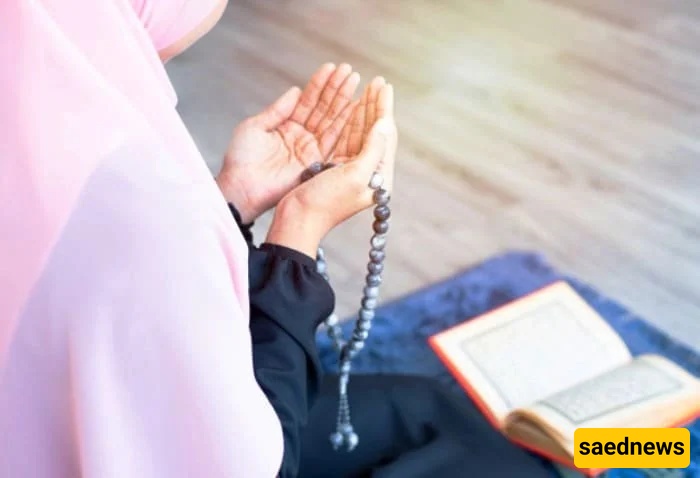
The Prophet Muhammad (peace and blessings be upon him and his family) asked his companions:
“If there were a river of clean water at the door of one of you and you washed yourself in it five times every day, would any dirt remain on your body?”
They replied, “No.”
He then said:
“Prayer is just like this flowing water. Whenever a person performs a prayer, the sins committed between the two prayers are washed away.”
(Wasa'il al-Shi'a, Vol. 3, p. 7)