SAEDNEWS: The Holy Prophet Muhammad (peace be upon him and his family) said: “Indeed, there is an hour during the night when every supplication made by a servant is answered. It is between midnight and the final third of the night.”

According to Saednews, Supplication (dua) holds a special place among acts of worship. Islamic scholars and religious authorities regard it as one of the greatest and most virtuous forms of worship. The Holy Qur’an also emphasizes its importance: “Call upon Me; I will respond to you.”
It is narrated from Imam Muhammad al-Baqir:
“There is nothing more excellent in the sight of Almighty God than asking Him and seeking from what He possesses. And no one is more detested by Almighty God than the person who is too proud to worship Him and does not ask Him for what He possesses.”
In Jawahir al-Kalam, one of the important books of Islamic jurisprudence, a narration from Imam Ja'far al-Sadiq describes two people who begin and end their prayers together. One spends more time reciting the Qur’an and less time making supplications, while the other recites less Qur’an but spends more time in supplication. When asked which of them is superior, Imam al-Sadiq replied:
“Dua is superior.”
As Almighty God says:
“Call upon Me; I will respond to you. Indeed, those who are too proud to worship Me will enter Hell in humiliation.”
Imam al-Sadiq strongly emphasized that supplication is among the highest forms of worship.
Imam Ali is also reported to have said:
“The most beloved of deeds to Allah on earth is supplication.”

The word dua comes from the Arabic root meaning “to call” or “to invite.” Supplication involves three elements: the one who calls upon God, the One being called upon, and the spiritual place in which this act of worship takes place.
Hojat al-Islam Shahrebaf explains that when a person calls upon God, the heart and soul should be purified from sin. Seeking forgiveness from Almighty God is therefore an essential part of preparing oneself for sincere supplication.
Among the most blessed times for supplication are:
The Day of Arafah
Thursday night and Friday
The holy month of Ramadan
Friday is considered the most virtuous day of the week, and Thursday night is also regarded as a particularly blessed time for supplication. Islamic narrations mention the pre-dawn hours of Thursday night leading into Friday as an especially favorable time for prayers to be answered.
Another time associated with the acceptance of supplications is when divine mercy descends, such as during rainfall and snowfall. The time of zawal, corresponding approximately to the beginning of the Islamic noon prayer period, is also considered significant.
Ghufaylah refers to the period between the evening (Maghrib) and night (Isha) prayers. This interval is regarded as a suitable time for supplication, and the recommended Salat al-Ghufaylah is associated with it.
It is also highly recommended to perform the Night Prayer and make supplications during the middle and latter part of the night. The closer this time is to dawn, the more emphasis Islamic teachings place on supplication.
A recommended sequence for supplication is:
Confess and acknowledge your sins.
Give thanks for God’s blessings.
Send blessings upon Prophet Muhammad and his family.
Ask God for your needs and make your supplication.
Conclude by sending blessings upon Prophet Muhammad and his family.
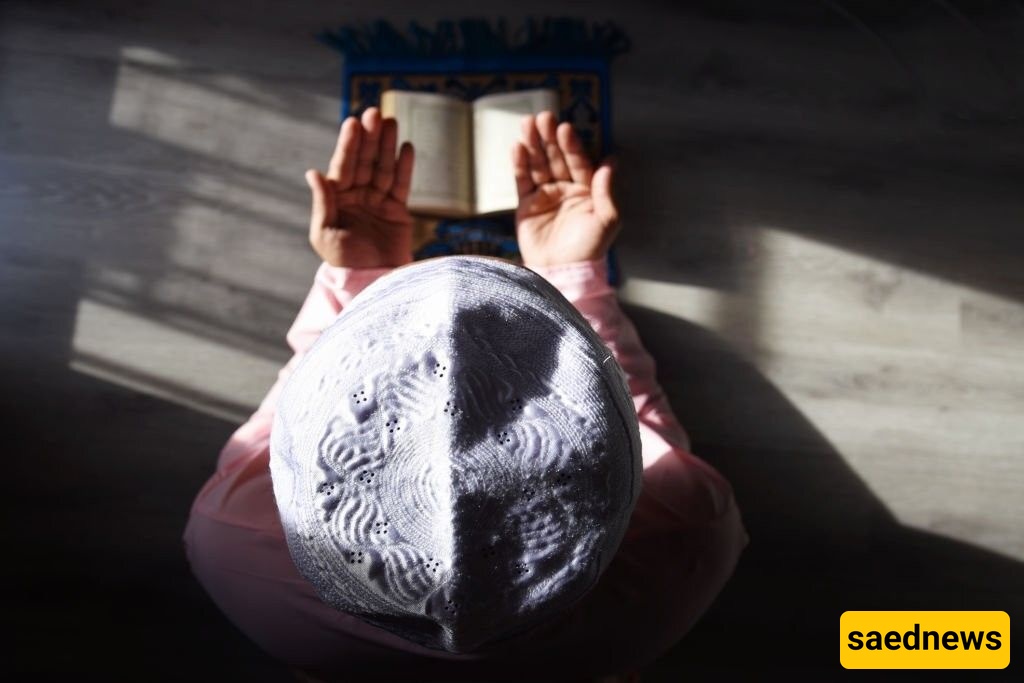
If your supplication is answered, there are three things you should be mindful of:
First: Do not become arrogant or think, “I must be a good person because my prayer was answered.” Pride and self-admiration can corrupt good deeds and give Satan an opportunity to influence a person.
Second: Thank and praise God for granting your request. It is also recommended to perform two units of prayer as an expression of gratitude.
Third: Do not stop making dua after your request has been fulfilled. Continue turning to God so that your relationship with Him remains strong.
If your supplication does not appear to be answered, remember three things:
First: Never lose hope in God’s mercy. Sometimes sins may prevent a prayer from being answered, so one should turn toward repentance and spiritual self-discipline.
Second: Never abandon supplication.
Third: Be content with God’s divine decree. Such acceptance and trust may itself become a means through which your prayer is ultimately answered.
Imam Hasan is reported to have said:
“I guarantee for the person whose heart contains nothing except satisfaction and contentment with God’s decree that when he supplicates, his prayer will be answered.”
Supplication can have different outcomes, and in every case it carries spiritual benefit.
The first: What is beneficial for a person may come to them regardless of whether they make dua. In this case, the benefit of supplication is drawing closer to God.
The second: Something beneficial may depend upon the person making dua. In this case, supplication brings two benefits: receiving what was requested and becoming closer to God.
The third: Something may ultimately not be beneficial for a person, and therefore they may not receive it whether they pray for it or not. In this case, supplication still brings two benefits: closeness to God and a greater reward in the Hereafter in place of what was withheld in this world.
Imam Ali is reported to have recommended that anyone who wishes for their supplication not to be rejected should recite the following before making their request:
“Masha'Allah, turning toward Allah; Masha'Allah, worshipping Allah; Masha'Allah, seeking the kindness of Allah; Masha'Allah, humbling myself before Allah; Masha'Allah, seeking refuge and support in Allah; Masha'Allah, humbly beseeching Allah; Masha'Allah, seeking assistance from Allah. There is no power and no strength except through Allah, the Most High, the Most Great.”
Imam Zayn al-Abidin is reported to have narrated that on the Day of Ashura, when Imam Husayn was suffering from his wounds, he embraced his son and taught him a supplication that Lady Fatimah had learned from the Prophet Muhammad, who had learned it from Gabriel. It was described as beneficial for every need, anxiety, major difficulty, and hardship.
The supplication begins:
“My Lord, by the truth of Ya-Sin and the Wise Qur’an, and by the truth of Ta-Ha and the Great Qur’an; O You who are capable of fulfilling the needs of those who ask; O You who know what lies within the hearts; O Reliever of distress; O One who brings relief to those who are afflicted; O Merciful One toward the elderly; O Provider for the young child; O One who has no need of explanation—send blessings upon Muhammad and the family of Muhammad, and grant me this and that.”