SAEDNEWS: An Introduction to Easter: From the Resurrection of Christ to Water-Splashing Festivities
According to Saednews, Easter, the most important celebration in Christianity, commemorates the crucifixion, death, and resurrection of Jesus Christ. Here is a visual overview of some of the key traditions and symbols associated with this festival.
Although Easter is considered the most important Christian celebration, its symbols and customs, particularly in Germany, are only partly rooted in religion. Easter eggs, the Easter Bunny, and the Easter Lamb are examples of traditions that blend Christianity with pre-Christian, secular customs. Today, fewer and fewer Germans are aware that Easter celebrates the resurrection of Jesus Christ.
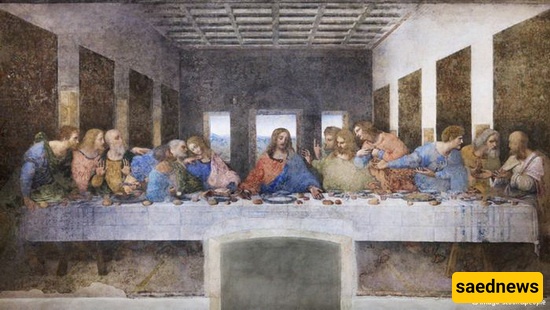
Maundy Thursday, also known as Holy Thursday, commemorates the Last Supper, when Jesus shared bread and wine with his disciples. The Last Supper is one of the most significant events in Christian religious history and has been depicted by many great artists. Leonardo da Vinci, for example, immortalized the scene in one of his most famous works of art.
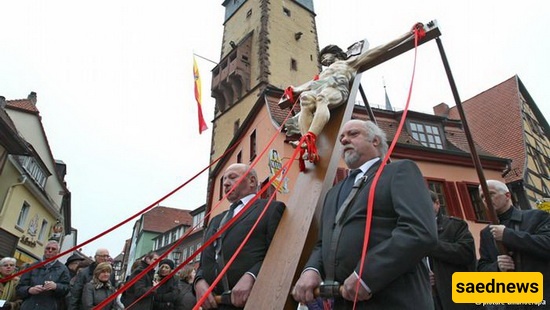
Christians around the world observe Good Friday in remembrance of the crucifixion of Jesus Christ. It is a day of mourning, and Christians traditionally abstain from eating meat. The custom observed by some Christians of avoiding meat on Fridays also originates from this important religious tradition.
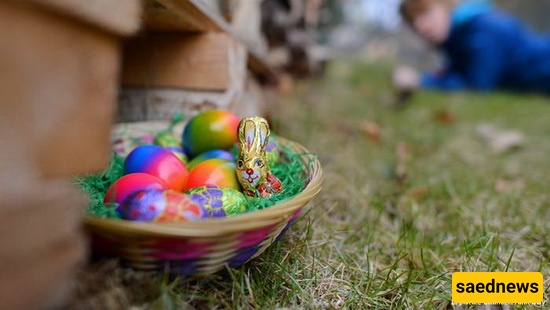
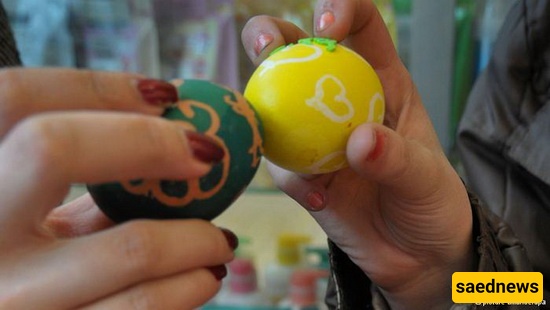
In Germany, colorful eggs have become an essential part of Easter celebrations. Parents traditionally hide eggs for children to find. For Christians, eggs symbolize the resurrection.
Since the Middle Ages, the Church had prohibited the consumption of meat and eggs during Lent. To prevent the eggs from spoiling, people boiled them and sometimes dyed them as well.
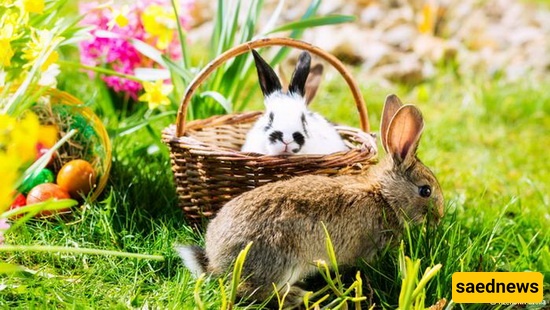
Biologically, there is no connection between eggs and rabbits. However, the rabbit heralds the arrival of spring and has long been regarded as a symbol of fertility and new life.
In Germany, young children believe that rabbits hide Easter eggs. The tradition was first documented in writing in 1662.
One popular Easter game in Germany, particularly in Bavaria and the regions along the Rhine River, involves tapping eggs against one another. The winner is the person whose egg remains unbroken.
This game, however, has no religious origins.
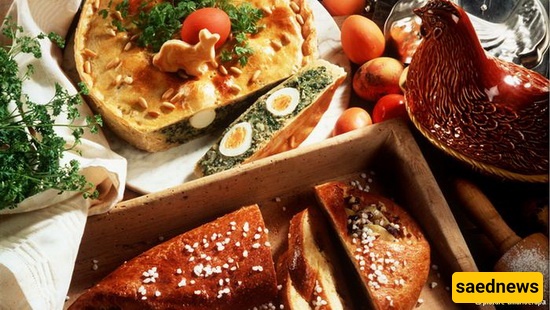
While Germans typically enjoy sweets and chocolate eggs during Easter, savory dishes are also popular in Italy. One example is a cake prepared with spinach and eggs.
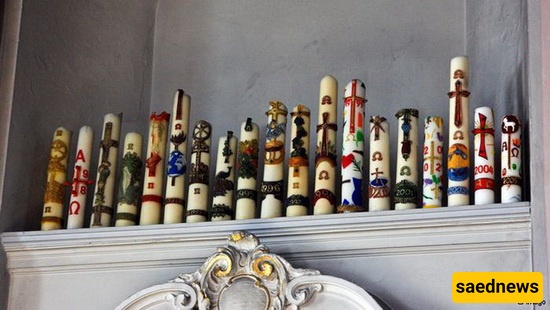
In the past, Easter candles illuminated nighttime worship services in churches. Their light symbolizes the spiritual illumination of Christians through the resurrection of Jesus Christ and represents his victory over death.
Traditionally, the Easter candle is lit first and then used to light the other candles.
In England, people traditionally refrain from eating large meals on Good Friday. One customary food eaten on this day is a spiced raisin bun known as a Hot Cross Bun, marked with a cross on top.
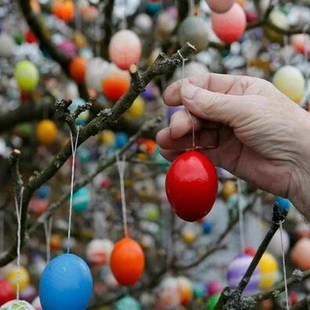
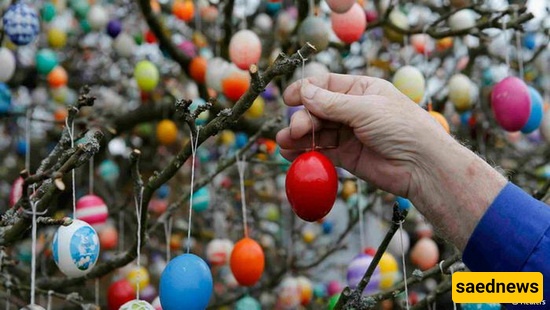
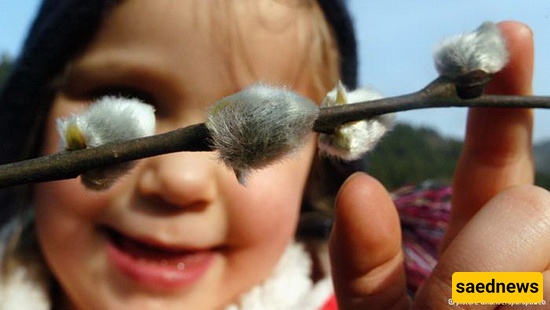
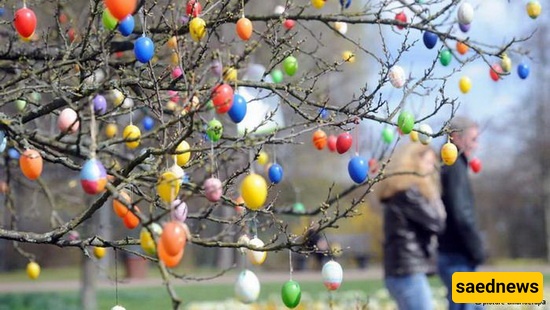
Another popular English tradition is hanging colored eggs on pussy willow branches. According to popular belief, touching these branches brings good luck.
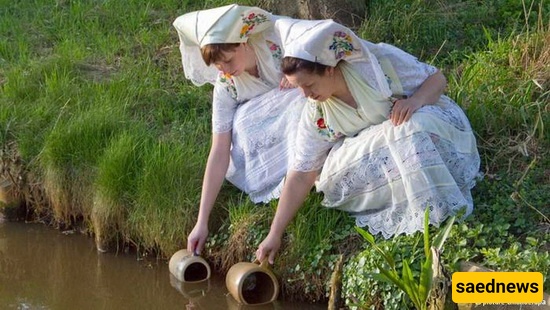
Some traditions, including the custom of collecting “Easter water,” have largely disappeared.
According to this custom, young women would collect water from a river on the night before Easter Sunday. The water symbolized life, and it was believed that if the women remained silent while traveling to and from the river, their beauty and fertility would increase.
The tradition is still practiced among some Slavic minorities living in eastern Germany.
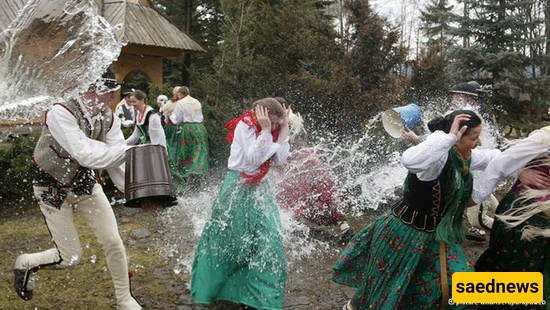
One popular Polish tradition takes place on Easter Monday, when people splash one another with buckets of water.
Known as Śmigus-Dyngus, the custom is associated with the baptism of Poland’s Prince Mieszko I, who introduced Christianity to the country in 966 AD.
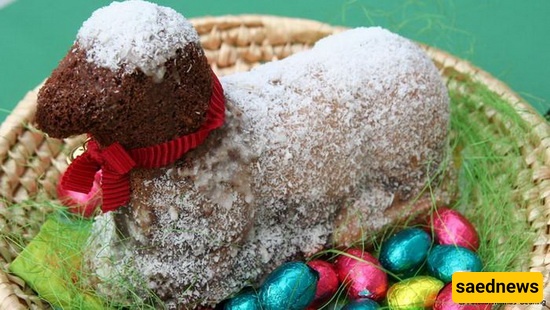
The Easter Lamb has its roots in Passover, one of the major Jewish festivals. Passover commemorates the liberation of the Jewish people from slavery under the Egyptian pharaohs.
Traditionally, a lamb was sacrificed during this festival. According to the biblical account, the Israelites marked their doorposts with the lamb’s blood so that the Angel of Death would pass over their homes.
In Christianity, the lamb also symbolizes the innocence and purity of Jesus Christ.
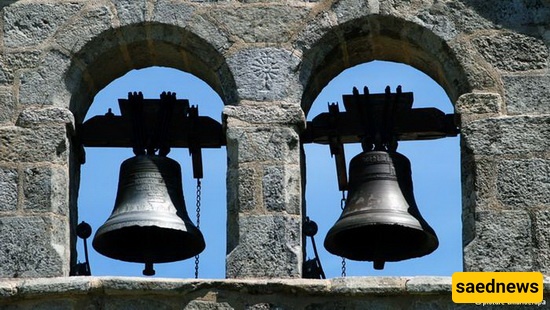
On Easter Sunday, church bells ring out to announce the resurrection of Jesus Christ.
On Maundy Thursday, the day before the crucifixion is commemorated, Catholic church bells traditionally fall silent.
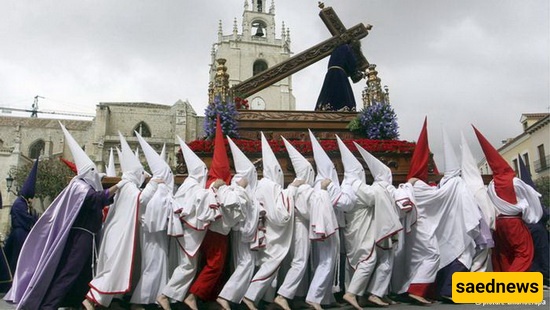
During Semana Santa, or Holy Week, religious processions take place in the streets of Spain.
Participants often wear masks, pointed hoods, and long robes. Some walk barefoot, carrying crosses or statues of the Virgin Mary or Jesus Christ on their shoulders.
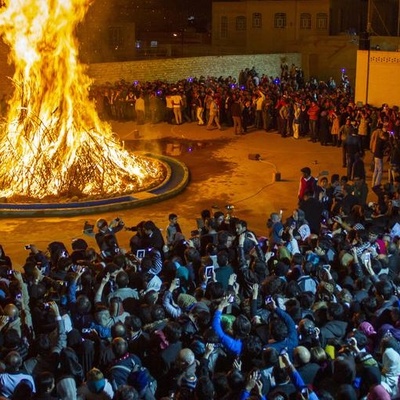
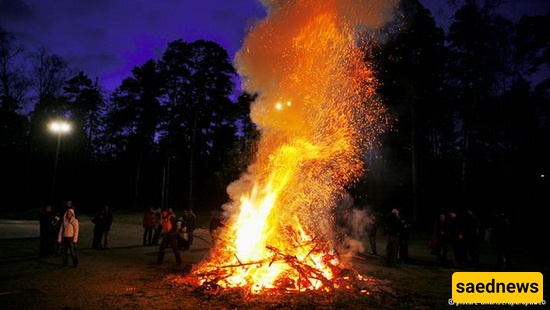
The tradition of lighting Easter bonfires was also known among the Germanic peoples. The flames were believed to mark the end of winter’s cold and hardships and to drive away demons and evil spirits.
The light of the fire was also said to bring good fortune.
Today, people still light Easter bonfires in small villages and at family gatherings. The custom is particularly popular in Finland.
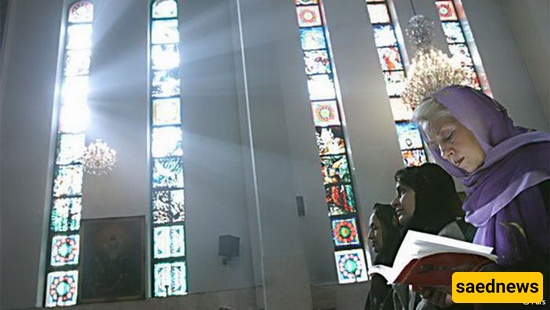
Alongside Christmas, Easter is one of the important religious occasions celebrated by Christian minorities in Iran.
Although many people go outdoors for walks and fresh air during Easter, this custom has roots in older traditions.
In the past, people would put on clean clothes after the long, cold winter and welcome spring by walking in nature.
Today, many Christian church communities continue to invite their members to take part in group walks.