SAEDNEWS: The Massive and Mysterious Tombs of Iran That Have Stood the Test of Time
According to Saednews, Strange tombstones and unusual graves can be found in cemeteries around the world. However, some burial sites are remarkably different from ordinary graves, as you will discover below.
Throughout history, humans have sometimes been more concerned about where and how they would be buried than about their living arrangements. This concern is reflected in the elaborate tombs and burial sites that have survived for centuries. Over time, both the appearance of tombs and the beliefs behind their construction have undergone fundamental changes.
The shape of graves and the burial customs of different civilizations were influenced by their beliefs about death and the afterlife. Some civilizations believed cremation brought peace and happiness to the souls of the deceased, while others practiced mummification.
In ancient Iran, the Elamite, Persian, and Median civilizations each had their own burial traditions and distinctive ways of preparing the dead for their journey into the afterlife.
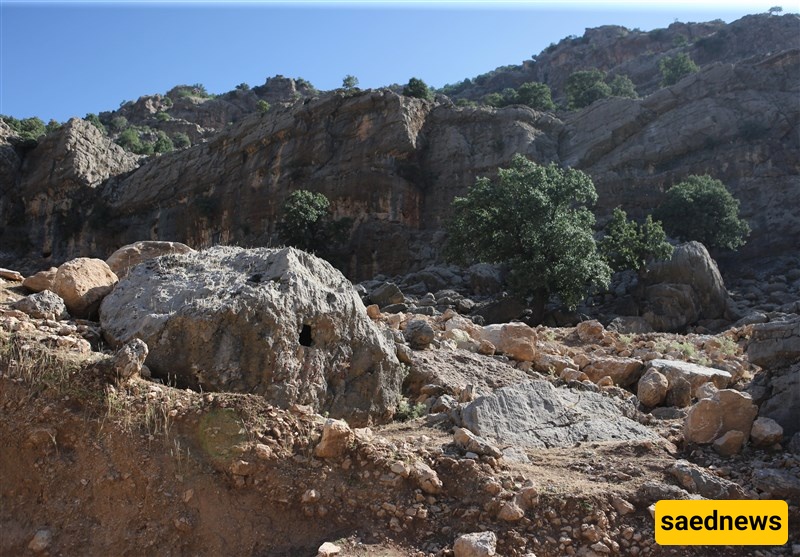
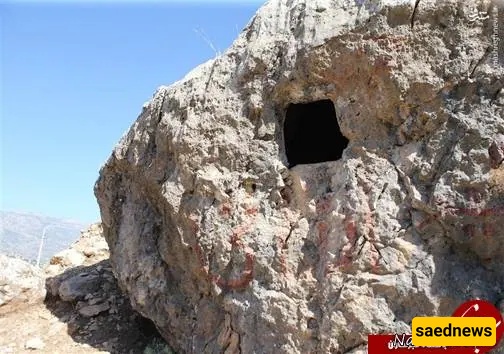
One remarkable remnant of these ancient customs is a collection of unusual rock-cut tombs that can still be seen in northern Khuzestan Province. These massive stone tombs, weighing several tons, were carefully carved to provide a secure resting place for the dead in the afterlife.
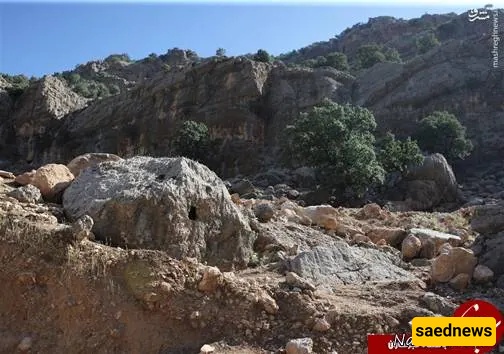
These enormous stones, dating back thousands of years, reveal the importance the Elamites placed on the resting places of their dead. The surviving remains of these structures in northern Khuzestan suggest that considerable time and effort were devoted to preparing elaborate burial chambers.
Each tomb was carved from a single massive block of stone, with a small opening built into one side. The interior was skillfully hollowed out to create space for the deceased, their companions, and the provisions believed necessary for their journey into the world of the dead.
Inside these rock-cut tombs, designated areas were created for laying out bodies and storing various foods and drinks. One of the most remarkable aspects of their construction is that the interior of these enormous stone blocks was carved through a small opening in the wall.
Considering the primitive tools available at the time and the fact that each tomb was made from a single block of stone, this process must have required considerable time, effort, and skill.
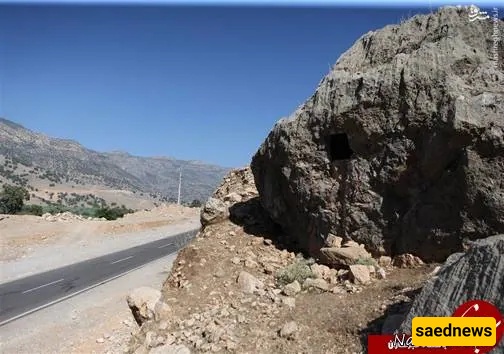
According to some accounts, the Elamites placed elderly and incapacitated people inside these tombs along with food and drinks before sealing the entrances. However, many experts reject this theory, arguing that it is inconsistent with what is known about Elamite ways of life.
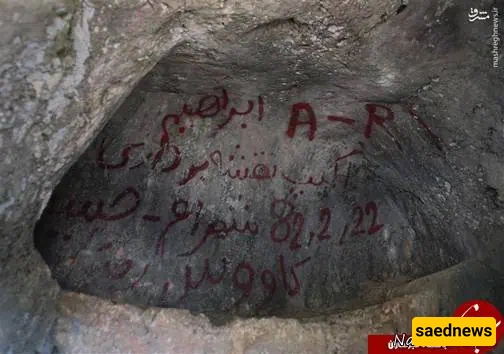
These extraordinary ancient burial sites remain a fascinating testament to the craftsmanship, burial traditions, and beliefs of early Iranian civilizations.