SAEDNEWS: One of the ancient festivals of Iran, known as the Hiromba Festival, is still celebrated by the people of Ardakan in the final days of Farvardin (late March to April).
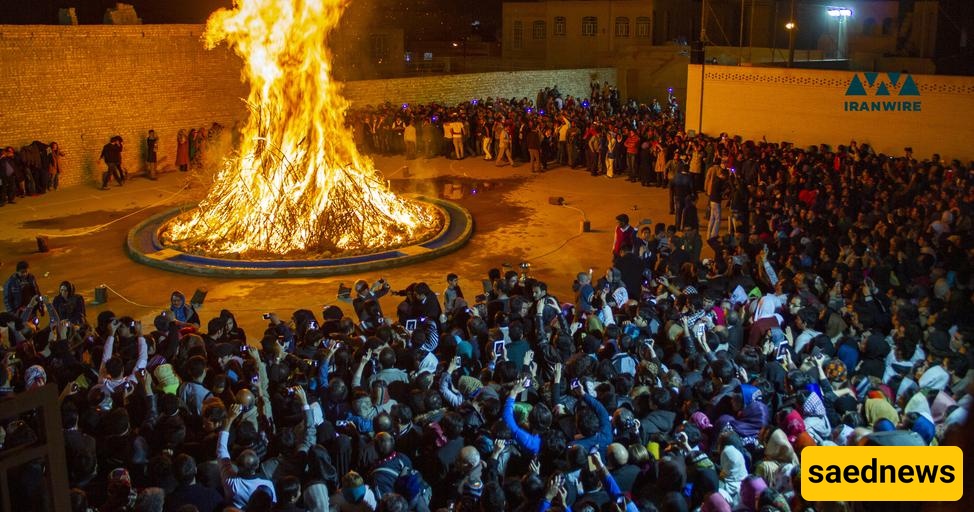
According to Saednews, Hiromba is one of the ancient religious traditions of Zoroastrianism, celebrated in the final days of Farvardin (April) by the residents of Sharifabad village in Ardakan, Iran, at the Pir-e Herisht shrine.
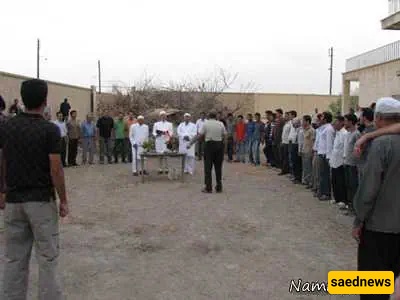
Before sunset, Zoroastrians from the village travel to the shrine of Pir-e Herisht. At dawn, following morning prayers, they head into the surrounding plains to gather firewood and thorny branches. On this day, a traditional ritual known as Choob Zani (the stick-beating ceremony) takes place at the shrine.
During this ritual, a young man or adult who is gathering firewood for the first time, or who has married or become a parent during that year, is lifted onto the shoulders of young men and playfully struck with sticks amid the joyful cheers and celebrations of the participants. At the end of the ceremony, the person's relatives offer a cone of sugar to the group organizing Hiromba. The sugar is used to prepare a sweet drink, which is then distributed among the crowd.
At sunset, the gathered firewood is brought back to the village and piled together. The participants then go from house to house, knocking on doors and collecting additional firewood from each household.
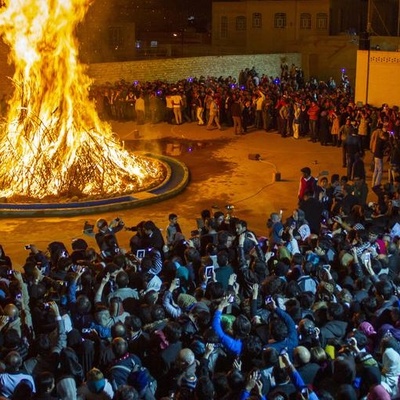
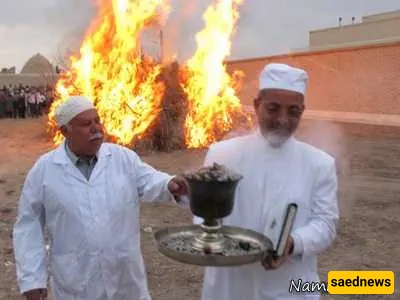
At dusk, villagers gather around the pile of firewood. A Zoroastrian priest, known as a Mobed, arrives carrying a fire vessel filled with burning embers. He begins the Hiromba invocation in a loud voice and prays for the forgiveness of the deceased.
The participants divide into two groups and stand in two facing lines. As the priest prays for the departed, one group places its hands on the shoulders of those standing beside them and loudly chants “Hiromba.” They bow together and then return to an upright position.
The second group repeats the same actions. This exchange continues as the priest recites the names of prominent and charitable Zoroastrians who have passed away. Whenever the priest mentions one of these respected individuals and prays for their forgiveness, one of the groups performs the ritual.
Afterward, the priest sets fire to the pile of wood. The villagers gather in a circle around the flames, celebrating and expressing their wishes for light, warmth, and spiritual comfort.
At dawn the following day, women collect glowing embers from beneath the ashes and place them in fire holders to take home. They keep the fire burning for one hundred nights by adding wood, eventually connecting it with the sacred Panji fire ceremony held on rooftops.
Following the lighting of the Hiromba fire, celebrations continue in the village for three days and nights.
After sunset, young people visit homes throughout the village, calling out the names of deceased members of each household and chanting “Hiromba.” In return, householders offer them nuts and dried fruits.
The villagers also visit the homes of those who underwent the stick-beating ritual at the Pir-e Herisht shrine, where the playful stick-beating ceremony is repeated.
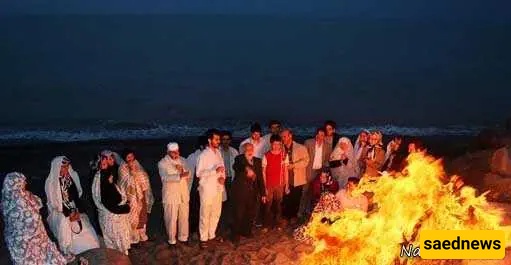
At the end of the third day, the Hiromba rituals are performed once again, accompanied by prayers for the forgiveness of the departed.
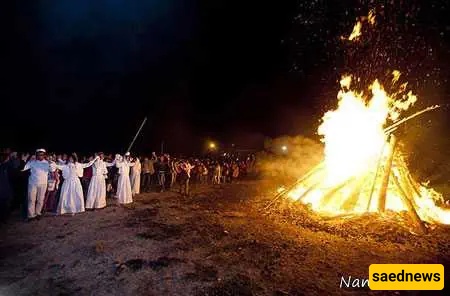
Similar ceremonies are observed in other villages under different names. In Elahabad and Farsiabad, the tradition is known as Hibidoog, while in Khorramshah it is called Shakh Shakh Darband.
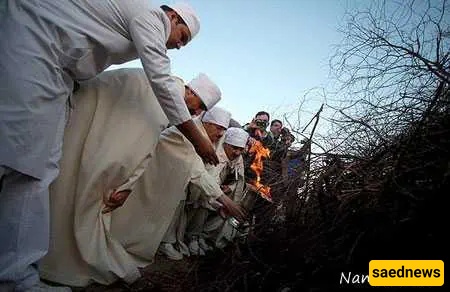
Hiromba remains an important expression of Zoroastrian heritage, bringing communities together through prayer, remembrance of the deceased, the preservation of sacred fire, and joyful communal celebrations.