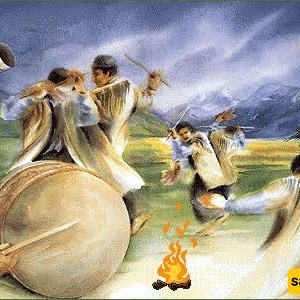
SAEDNEWS: Jashn-e Vakhshankam is one of the forgotten festivals of ancient Persia, celebrated in honor of the Oxus River, also known as the Amu Darya.
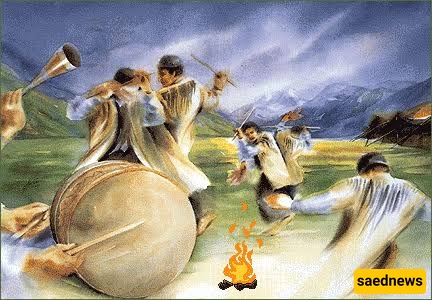
According to Saednews, Various festivals and ceremonies were celebrated in ancient Iran, each with its own specific date and historical significance. Unfortunately, many of these ancient traditions have gradually faded into obscurity. One such forgotten celebration is Vakhshankam, a festival held on the 10th of Esfand (late February or early March) to honor the Jeyhun River, also known as the Amu Darya, one of the largest and most significant rivers in the Iranian cultural region.
Vakhshankam was celebrated in honor of the Jeyhun, or Amu Darya, a major river in the historical lands of Iran. The festival's name is believed to derive from Vakhsh, one of the largest tributaries of the Amu Darya.
According to the Persian scholar Abu Rayhan al-Biruni, Vakhshankam was associated with the angel or divine spirit of the Jeyhun River. This figure is thought to have been identified with Anahita, the ancient Iranian goddess associated with water and fertility.
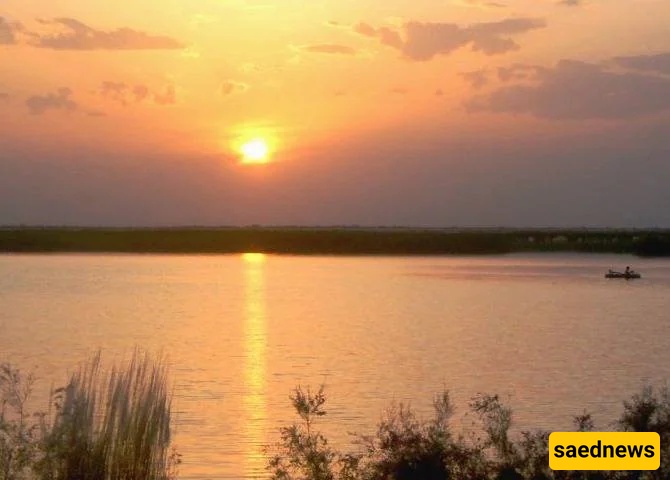
In Central Asia, particularly in Kyrgyzstan and Tajikistan, the Vakhsh River—also known as the Surkhob—flows toward the Amu Darya. From a linguistic perspective, the name Vakhsh is believed to be connected to the ancient name Oxus, by which the Amu Darya was known in Greek and Latin sources.
The Vakhsh River has a drainage basin covering approximately 32,150 square kilometers and is considered one of Tajikistan's major rivers. It flows for approximately 524 kilometers within Tajikistan, while its headwaters originate in Kyrgyzstan. Its average discharge is estimated at around 631 cubic meters per second.
Several hydroelectric power stations have been constructed along the river, including the Sangtuda 2 and Sangtuda 1 facilities.
The Dushanbe–Chanak highway passes through the Vakhsh River Valley. Cities and settlements such as Qurghonteppa, Nurek, and Sarband are located near the river. Near its confluence, the Tigrovaya Balka nature reserve, also known as the Tiger Ravine, is situated in the surrounding region.
As one of the principal tributaries of the Amu Darya, the Vakhsh flows for approximately 524 kilometers from the eastern part of the Alay Mountain Range. Its drainage basin is also reported to cover approximately 39,100 square kilometers.
Among its major tributaries are rivers originating in the Trans-Alay Mountains. One is known as the Kyzyl-Suu in its lower reaches. Other tributaries join the river system as it passes through the Alay Valley and into Tajikistan.
The Muksu River, which originates in the northeastern Pamirs, joins the Kyzyl-Suu system. Their combined waters form the Surkhob River. Farther downstream, the Surkhob joins the Khungob River, forming the Vakhsh River, which eventually flows into the Amu Darya.
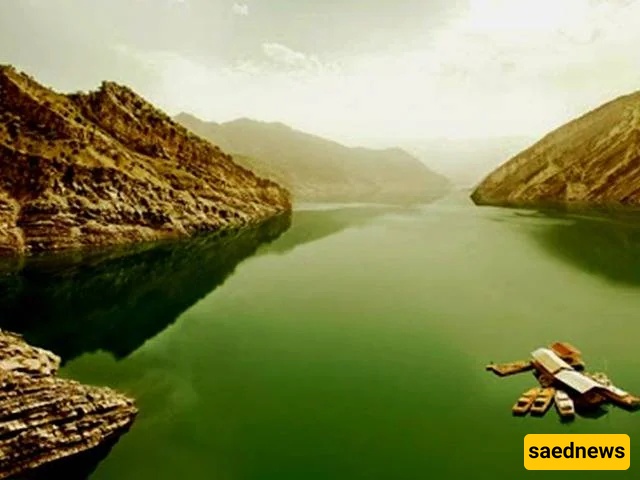
The Vakhsh is one of Tajikistan's most important rivers. It plays a vital role in irrigating agricultural land, particularly cotton fields, and is a major source of hydroelectric power.
The river system is especially important to the country's energy sector. More than 75 percent of Tajikistan's hydroelectric potential is associated with the Vakhsh and the country's other major river systems, according to the source.
The historical association between Vakhshankam and the Amu Darya reflects the importance of rivers in ancient Iranian culture. Water was essential to agriculture, settlement, and prosperity, and major rivers were often regarded as sacred or worthy of reverence.
Vakhshankam is remembered as a festival connected with the Vakhsh River and the wider Amu Darya river system. Its significance lies in the relationship between ancient Iranian traditions, the natural environment, and the cultural importance of water.
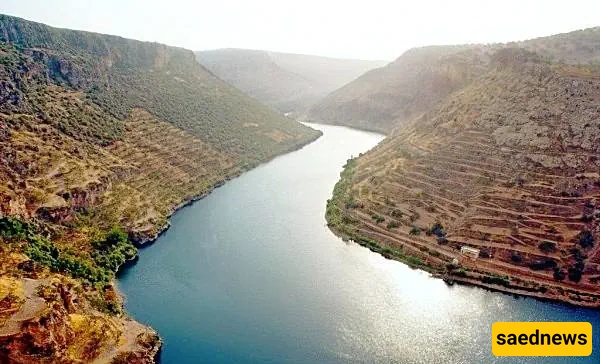
The Vakhsh River experiences significant seasonal variations in water flow. Its high-water period generally occurs in June and July, when melting snow and seasonal runoff increase the river's discharge.
During this period, the river can carry approximately 836 cubic meters of water per second, accounting for around 20.4 percent of its annual flow, according to the source.
The low-water season generally occurs from December through March, when river discharge decreases.
These seasonal fluctuations highlight the importance of the Vakhsh River to the surrounding communities and help explain why rivers and water-related traditions held such significance in the ancient Iranian world.