SAEDNEWS: In this article, we will introduce you to the renowned and legendary figures of ancient Iranian history.
According to Saednews, Throughout the ancient land of Iran, many kings, warriors, scholars, and legendary figures lived whose names have been remembered with honor. Their deeds became an enduring part of Iranian history and cultural memory.
This article introduces a selection of Iranian kings, heroes, poets, philosophers, military commanders, and religious figures who have been celebrated for their achievements, courage, wisdom, or cultural contributions.
Piruz Nahavandi, also known as Abu Lu'lu'a or Firuz, was a skilled carpenter from Nahavand. According to traditional accounts, he was taken into slavery following the Arab conquest of Iran and became associated with al-Mughira ibn Shu'ba. He is traditionally identified as the man who killed Umar ibn al-Khattab.
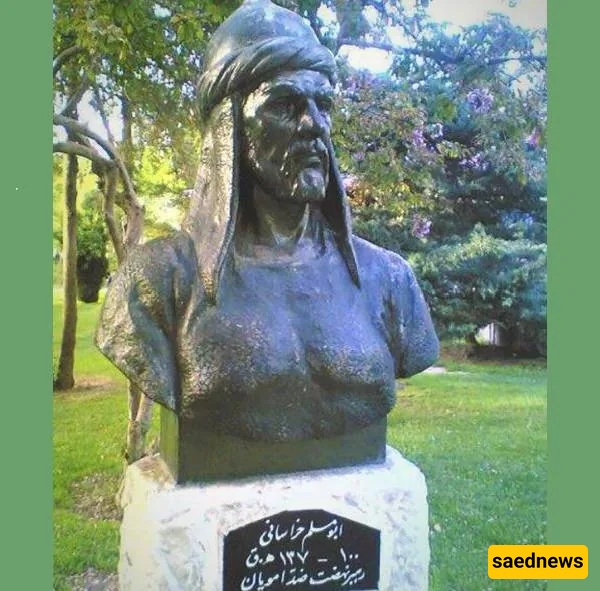
Abd al-Rahman ibn Muslim, better known as Abu Muslim al-Khurasani, was an Iranian military commander and leader of the Black-Clad movement. He played a major role in the overthrow of the Umayyad Caliphate and the establishment of Abbasid rule. In 129 AH, he launched a rebellion in Merv against the Umayyad caliph Marwan II.
Omar Khayyam of Nishapur, whose full name was Ghiyath al-Din Abu'l-Fath Umar ibn Ibrahim al-Khayyam Nishapuri, was an Iranian polymath of the Seljuk period. He was a philosopher, mathematician, astronomer, and celebrated writer of quatrains.
Khayyam became highly respected during his lifetime and was honored by his contemporaries with titles such as Imam, Philosopher, and Hujjat al-Haqq. His mathematical and astronomical contributions had a lasting influence, while his poetry later became famous throughout the world.
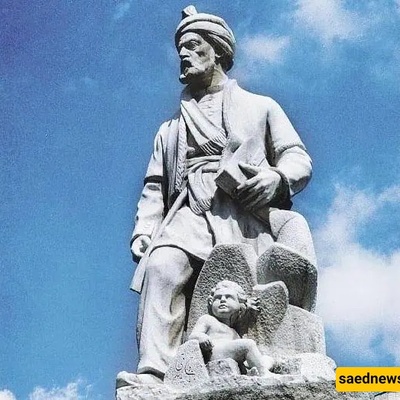
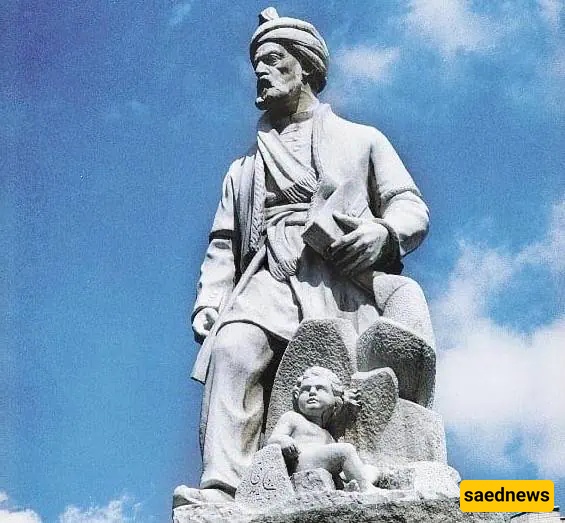
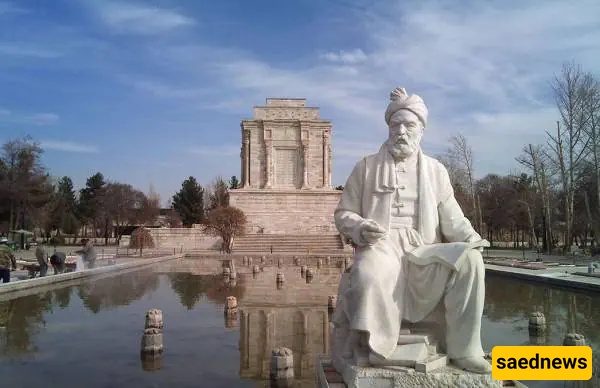
Abu'l-Qasim Ferdowsi was the great Iranian epic poet and author of the Shahnameh, one of the most important works of Persian literature. Born in the region of Tus, he devoted many years to composing his monumental epic, which recounts the legendary and historical past of Iran.
The Shahnameh became one of the central works of Persian literary and cultural heritage and played an important role in preserving the Persian language and Iranian traditions.
Kaveh the Blacksmith is one of the best-known legendary heroes of Iran. According to the Shahnameh, he rose against Zahhak, a tyrannical ruler associated with oppression and cruelty.
Kaveh rallied the people and raised his leather smith's apron as a banner of rebellion. The legendary banner later became associated with the Derafsh Kaviani, the royal standard of ancient Iran. Kaveh's revolt ultimately led to the rise of Fereydun.
Cambyses II was the second king of the Achaemenid Empire and the eldest son of Cyrus the Great and Cassandane. He succeeded his father and expanded the Persian Empire into Egypt in 525 BCE.
Cambyses continued the expansion of Achaemenid power and is remembered as one of the early rulers of the Persian Empire.
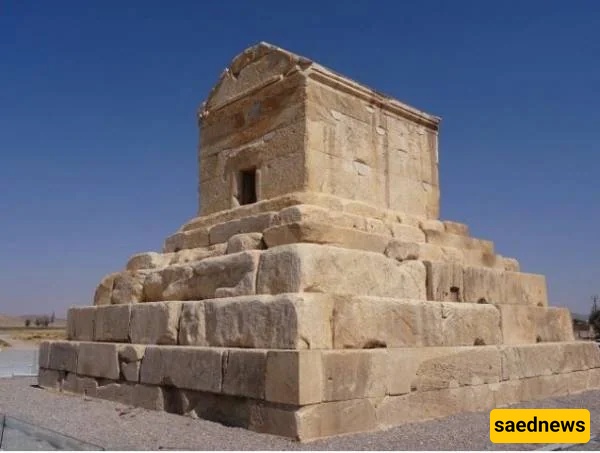
Cyrus II, commonly known as Cyrus the Great, was the founder of the Achaemenid Empire and one of the most prominent rulers of ancient Iran.
He conquered the Median, Lydian, and Babylonian kingdoms and created a vast multinational empire. Ancient sources describe his policy of accommodating different peoples and religious traditions within his empire.
Cyrus is also associated with the Cyrus Cylinder, a clay inscription discovered in Babylon. The cylinder is written in Babylonian cuneiform and provides important evidence concerning Cyrus's rule over Babylon.
Azarbad was a Zoroastrian priest and scholar who lived during the reign of Ardashir I. According to traditional accounts, he demonstrated his religious devotion by undergoing a dangerous ordeal involving molten metal.
Azar Barzin was a legendary Iranian warrior and the son of Farامرز. Traditional Iranian literature describes him as fighting against Bahman, the son of Esfandiyar.
Azar Kayvan was an Iranian religious scholar and mystic who lived in the Persian region during the 11th century AH. He became associated with a school of Iranian religious and philosophical thought.
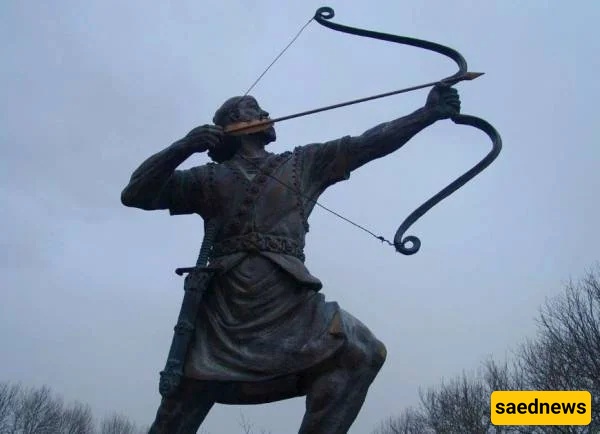
Arash the Archer is one of Iran's most famous legendary heroes. According to Iranian mythology, during the reign of Manuchehr, Iran and Turan agreed that an archer would shoot an arrow to determine the boundary between their territories.
Arash climbed to the mountains and fired the legendary arrow. It traveled an enormous distance before landing near the Oxus River. According to the story, Arash exhausted his life force in the act and died after sacrificing himself for Iran.
Ariya was a renowned Iranian military commander who supported Cyrus the Younger during the conflict for the Persian throne.
A'in Gashasp was a military commander whom Hormizd IV reportedly sent against Bahram Chobin. According to traditional accounts, he was eventually captured and killed.
Bozorgmehr was a celebrated minister and counselor during the reign of Khosrow I, also known as Khosrow Anushirvan. Persian historical and literary traditions portray him as exceptionally wise and skilled in politics and reasoning.
Piruzan was an Iranian commander during the reign of Yazdegerd III. He fought against the Arab armies during the final period of the Sasanian Empire.
Bahram Chobin was a celebrated Sasanian military commander from the prominent Mihran family. His nickname was associated with his tall and muscular appearance.
During the reign of Hormizd IV, Bahram Chobin fought against invading Turkic forces and achieved major military victories. He later became involved in a struggle for the Sasanian throne.
Tansar was an important Zoroastrian religious leader during the reign of Ardashir I, the founder of the Sasanian Empire. He is traditionally associated with the organization and consolidation of Zoroastrian religious institutions during the early Sasanian period.
Jamshid, also known as Jam or Jamshasp, was a legendary king of the Pishdadian dynasty. Iranian mythology credits him with establishing Nowruz and introducing numerous crafts and skills to humanity.
According to tradition, Jamshid taught people weaving, tailoring, architecture, medicine, craftsmanship, navigation, and the extraction of precious stones. His reign became associated with prosperity, knowledge, and civilization.
Jamasp was the vizier of King Vishtaspa and the son-in-law of Zoroaster. Iranian religious traditions portray him as a highly knowledgeable and wise figure.
Husayn ibn Mansur al-Hallaj, commonly known as al-Hallaj, was a famous mystic and Sufi figure in the Islamic world. His religious ideas and statements generated considerable controversy.
During the reign of the Abbasid caliph al-Muqtadir, he was arrested and eventually executed after a lengthy period of imprisonment.
Khosrow II, better known as Khosrow Parviz, was the 24th Sasanian king and one of the best-known rulers of the dynasty.
He was associated with major architectural projects in Ctesiphon and the region of Mada'in. His reign also became famous in Persian literature through the romantic story of Khosrow and Shirin, most famously retold by the poet Nizami Ganjavi.
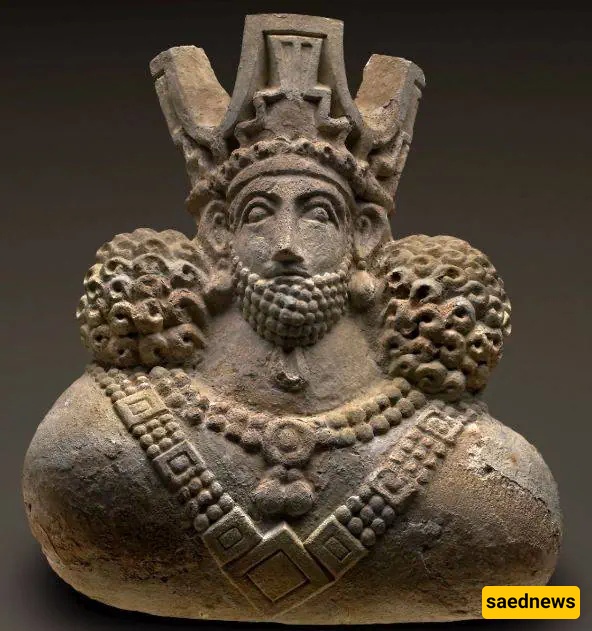
Ariobarzanes was a prominent Persian commander during the Achaemenid period. He became famous for his resistance against Alexander the Great during the Macedonian invasion of Persia.
According to traditional accounts, he defended the Persian homeland with great courage and was eventually killed in battle.
Ustadhsis was a military leader from Khurasan who rebelled against the Abbasid caliphate in the regions of Herat, Badghis, and Sistan. Traditional accounts connect his uprising with opposition to Abbasid rule and the memory of Abu Muslim.
He was eventually defeated and executed in Baghdad on the orders of the Abbasid caliph al-Mansur.
Arsaces, or Arshak, is traditionally regarded as the founder of the Arsacid or Parthian dynasty. The Parthians challenged Seleucid rule and established an Iranian dynasty that ruled large parts of Iran for several centuries.
The Parthian Empire lasted from approximately 247 BCE to 224 CE and was ruled by numerous Arsacid monarchs.
Khosrow I, commonly called Anushirvan the Just, was one of the most influential Sasanian kings.
His reign was associated with major developments in administration, infrastructure, trade, scholarship, and culture. Cities, roads, bridges, and other public works were constructed or expanded during his rule.
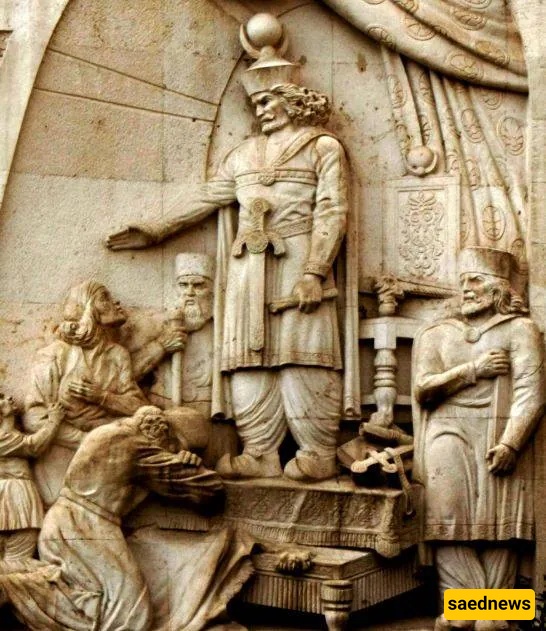
Babak Khorramdin was a military leader who headed the Khorramdin revolt in northwestern Iran. His movement challenged Abbasid authority and continued for approximately two decades.
The revolt was eventually suppressed in 837 CE, and Babak was captured and executed during the reign of the Abbasid caliph al-Mu'tasim.
Barzmehr was a legendary Iranian warrior associated with the reign of Bahram Gur.
Borzuya was a renowned physician during the reign of Khosrow I. Traditional accounts credit him with bringing the Indian collection of fables known as Kalila wa Dimna to Iran and translating it into Middle Persian.
Balash, also known as Vologases, was a Sasanian king who ruled from 484 to 488 CE. He became ruler after the death of his brother Peroz during conflicts with the Hephthalites.
Traditional accounts associate Balash with efforts to restore Iranian religious literature, including the collection and preservation of the Avesta.
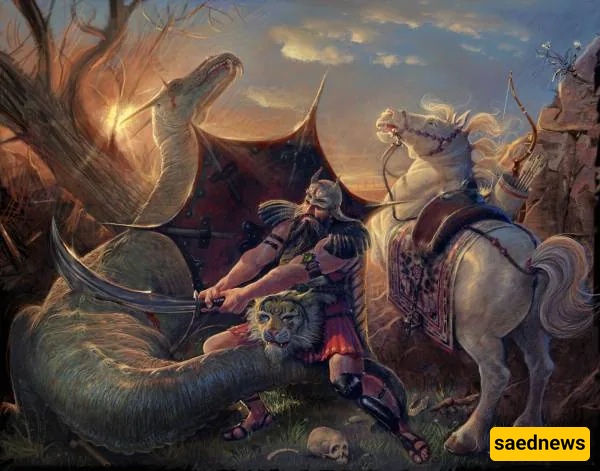
Rostam is the most famous heroic figure of the Shahnameh. He was the son of Zal and Rudaba and is portrayed as an extraordinarily powerful warrior.
Rostam fought numerous battles against Turanian forces during the reigns of Kay Qabad, Kay Kavus, and Kay Khosrow. His exploits became some of the central stories of Persian epic literature.
Rostam Farrokhzad was one of the leading Iranian military commanders during the final years of the Sasanian Empire. He served as commander of the army of Khurasan under Khosrow II and later became commander of the entire Persian army under Yazdegerd III.
He was killed during the Arab conquest of Persia, particularly in connection with the Battle of al-Qadisiyyah.
Zoroaster, or Zarathustra, was the prophet associated with Zoroastrianism. Iranian tradition identifies him as a teacher of wisdom, moral responsibility, and the worship of Ahura Mazda.
His father's name is traditionally given as Pourushaspa and his mother's as Dugdav.
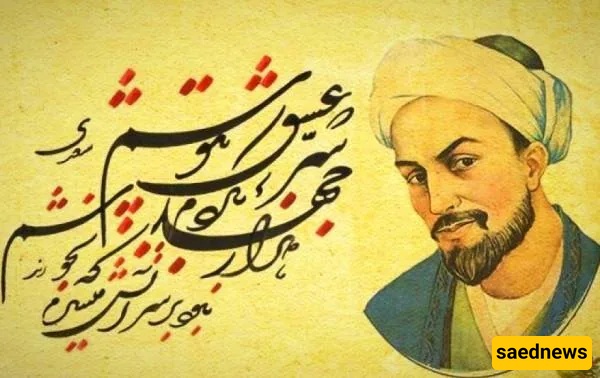
Saadi Shirazi was one of the most celebrated Persian poets and writers of the medieval period. His major works include the Gulistan and Bustan, which combine poetry, prose, moral teachings, and observations about human behavior.
His writings became widely influential in Persian literature and have been translated into numerous languages.
Sunpadh was a Zoroastrian Iranian rebel who rose against the Abbasid government following the death of Abu Muslim. He gathered supporters in the regions of Ray and Nishapur before being defeated by Abbasid forces.
Surena was one of the most prominent Parthian military commanders. In 53 BCE, he defeated the Roman commander Marcus Licinius Crassus at the Battle of Carrhae.
The victory became one of the most significant Parthian military successes against Rome and demonstrated the effectiveness of Parthian cavalry tactics.
Siavash is one of the central tragic heroes of the Shahnameh. He is portrayed as a young, noble, and virtuous prince, the son of Kay Kavus.
After rejecting the advances of Sudabeh, Siavash was falsely accused and agreed to undergo a trial by fire to prove his innocence. He survived the ordeal and later went to Turan, where he married Farangis, the daughter of Afrasiab.
Political intrigue eventually led to his death, making Siavash one of the most tragic and admired figures in Persian epic literature.
Shapur II was one of the most powerful Sasanian kings and ruled for approximately seventy years. He is traditionally known as "Shapur of the Broad Shoulders."
During his reign, he fought several conflicts with the Roman Empire and also defended the eastern and southern frontiers of the Sasanian realm.
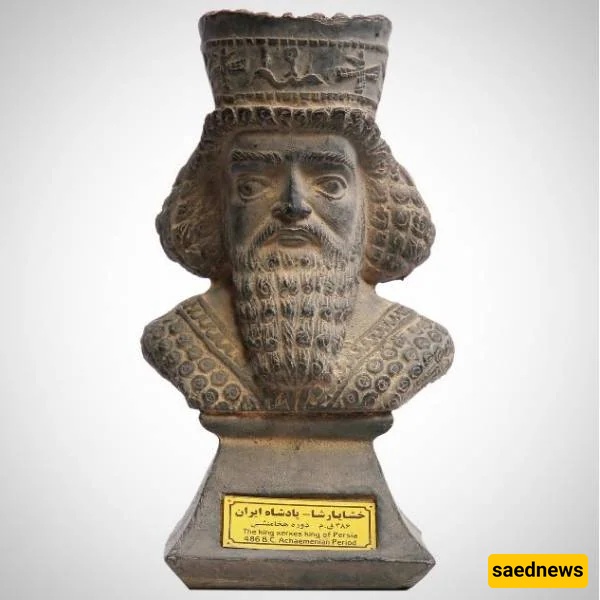
Xerxes I was the fourth king of the Achaemenid Empire and ruled from 486 to 465 BCE. He is particularly remembered for his invasion of Greece and the major military campaign that included the battles of Thermopylae and Salamis.
Xerxes was assassinated in 465 BCE by members of the royal court.
Darius I, known as Darius the Great, became king of the Persian Empire in 522 BCE. He transformed the Achaemenid state through extensive administrative, economic, military, and infrastructure reforms.
He expanded and organized the empire, developed major roads and communication systems, and continued the construction of Persepolis.
Darius also commissioned major architectural projects and developed systems of taxation and provincial administration. The Royal Road and the imperial postal system are among the achievements traditionally associated with his reign.
Rabia bint Ka'b, commonly known as Rabia Balkhi, was a Persian-language poet associated with the Samanid period. She is often described as one of the earliest known female poets writing in Persian.
According to the famous literary legend surrounding her life, Rabia fell in love with a slave named Baktash and expressed her feelings through poetry. Her brother discovered the relationship and ordered her death. The story became an enduring part of Persian literary tradition.
Mazyar was an Iranian ruler and rebel in Tabaristan who opposed Abbasid authority. He attempted to restore Iranian traditions and independence and cooperated with Babak Khorramdin for a period.
His revolt was eventually suppressed, and he was captured and executed in Baghdad.
Mardavij ibn Ziyar was the founder of the Ziyarid dynasty and ruled in northern Iran. He sought to establish an independent Iranian state and challenged Abbasid authority.
His forces captured territories including Qazvin, Hamadan, Isfahan, and Ahvaz, establishing a powerful regional Iranian dynasty. Mardavij was eventually assassinated by Turkish soldiers in Isfahan.
Mihran Bahram Razi was an Iranian military commander and warrior from the prominent Mihran family. Traditional accounts describe him as fighting against Arab forces during the early Arab conquest of Iran.
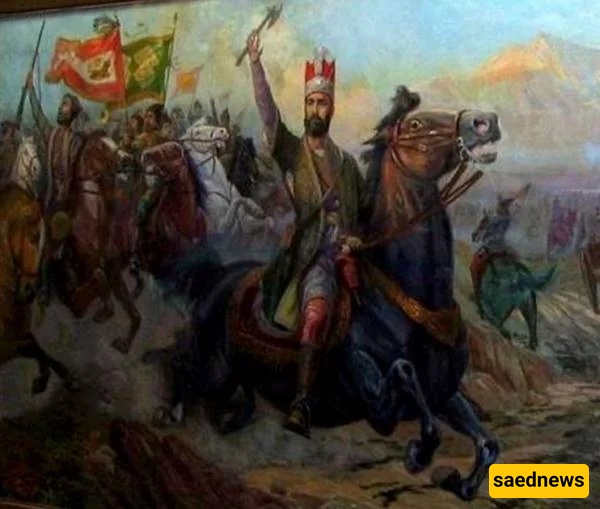
Nader Shah Afshar was an Iranian ruler and military commander of the 18th century. He rose to prominence during a period when Iran faced invasions and internal instability.
After defeating Afghan, Ottoman, and Russian forces, he became shah and rebuilt Iranian military power. His campaigns extended into India, where his forces captured substantial wealth before returning to Iran.
Nader Shah was eventually assassinated near Quchan by members of his own military establishment.
Nizami Ganjavi was one of the greatest poets of Persian literature. Born in Ganja, he is best known for works including Makhzan al-Asrar, Layli and Majnun, Haft Paykar, Eskandar-Nama, and Khosrow and Shirin.
His romantic and philosophical narratives had a profound influence on Persian literary tradition.
Ya'qub ibn al-Layth was born in Sistan and originally worked as a coppersmith, which contributed to his later title, al-Saffar.
He rose from the ranks of the local ayyars and eventually became ruler of Sistan. Ya'qub challenged Abbasid authority and established the Saffarid dynasty, becoming an important figure in the emergence of independent Iranian dynasties after the Arab conquest.
Shahin was a prominent Sasanian commander during the reign of Khosrow II. He served as one of the empire's leading generals during its wars against the Byzantine Empire.
Shidrang was a legendary Iranian physician and philosopher associated with the era of Zahhak. Traditional accounts portray him as a learned figure who regarded medicine as an essential profession.
Kay Khosrow is portrayed in the Shahnameh and Middle Persian traditions as an ideal Iranian king. He was the son of Siavash and Farangis and the grandson of Kay Kavus and Afrasiab.
He became king and sought revenge for the murder of his father. After years of conflict with the Turanians, he defeated Afrasiab and brought the long struggle to an end.
Keyumars, known as Gayomart in the Avesta, is traditionally regarded as the first king and founder of the Pishdadian dynasty.
Zoroastrian tradition also associates him with the first human being. According to Iranian mythology, he taught early people how to obtain food and clothing and ruled for thirty years.
Vishtaspa, or Gushtasp, was the son of Lohrasp and a king of the Kayanian dynasty. He is particularly important in Zoroastrian tradition as a supporter and patron of Zoroaster.
His support helped establish Zoroastrianism within the royal sphere, giving him an important place in later Iranian religious literature.