SAEDNEWS: A scientific and practical guide to the different types of sheet masks, their key ingredients, and the proper way to use them.
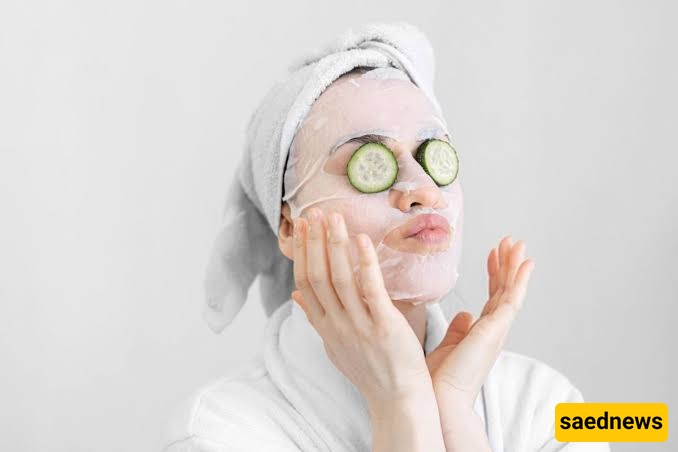
According to Saednews, In the fast-paced world of skincare, sheet masks have become some of the most popular and effective beauty products available.
Soaked in serums and botanical extracts, these masks are more than a quick solution for tired-looking skin. By delivering a concentrated dose of active ingredients, they have become a luxurious and practical addition to many skincare routines.
However, with hundreds of products on the market and countless local and international brands to choose from, one important question remains: How do you choose the best sheet mask for your face?
This comprehensive guide explores sheet masks from both practical and skincare perspectives, helping you make a smarter choice based on your skin type, active ingredients, and individual concerns—without wasting money through endless trial and error.
Sheet masks first gained widespread attention through South Korea's K-Beauty industry before quickly becoming popular around the world. Their appeal comes largely from the way they work.
The sheet, typically made from cellulose, bio-cellulose, or synthetic fibers, acts as a physical barrier that helps slow moisture evaporation from the skin. This creates an occlusive environment that allows the serum to remain in close contact with the skin for longer.
As a result, the active ingredients in the serum can be delivered efficiently to the skin's surface, leaving it looking fresher, smoother, and more hydrated.
There is no single sheet mask that is perfect for everyone. The right choice depends on your skin type and what your skin needs at the time.
For dry and dehydrated skin: Look for masks containing hyaluronic acid, which is highly effective at attracting and retaining water. Ceramides and shea butter can also help support the skin barrier and improve moisture retention.
For oily and acne-prone skin: Choose formulas designed to balance excess oil without excessively drying the skin. Ingredients such as green tea extract, salicylic acid, and niacinamide (vitamin B3) can help improve the appearance of pores while calming visible redness and irritation.
For sensitive skin: Gentle, hypoallergenic formulas are generally the safest choice. Ingredients such as panthenol, chamomile, and Centella asiatica may help soothe the skin and support its protective barrier.
For dull and tired-looking skin: Consider masks containing vitamin C, alpha-arbutin, or lactic acid. These ingredients can help improve the appearance of uneven skin tone and leave the complexion looking brighter and more refreshed.
One of the most important aspects of a sheet mask is the serum it contains. Before purchasing a product, check the ingredient list (INCI) on the back of the package.
Hyaluronic acid: A popular ingredient for hydration and helping the skin retain moisture.
Niacinamide (vitamin B3): A versatile skincare ingredient that can support the skin barrier, improve the appearance of uneven tone, reduce visible redness, and help regulate excess oil.
Peptides: Ingredients commonly used in anti-aging skincare to support the appearance of firmer skin and reduce the visibility of fine lines.
Adenosine: An ingredient frequently found in anti-aging formulas and used to improve the appearance of wrinkles and fine lines.
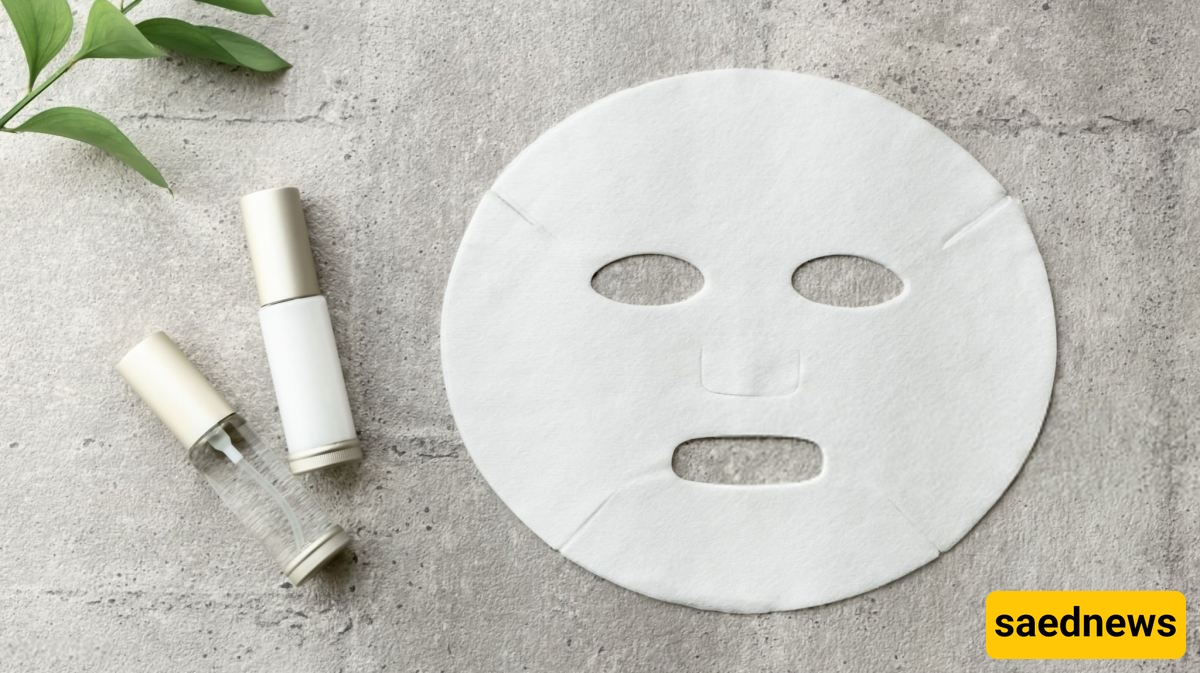
Rather than relying only on claims such as "contains hyaluronic acid," pay attention to the ingredient list and the overall formulation. An ingredient appearing near the beginning of the list generally indicates that it is present at a higher concentration than ingredients listed later.
Using a sheet mask incorrectly can reduce its benefits. Follow these basic steps for a better experience:
Prepare your skin: Cleanse your face with a gentle cleanser and pat it dry. You can also use an alcohol-free toner if it suits your routine.
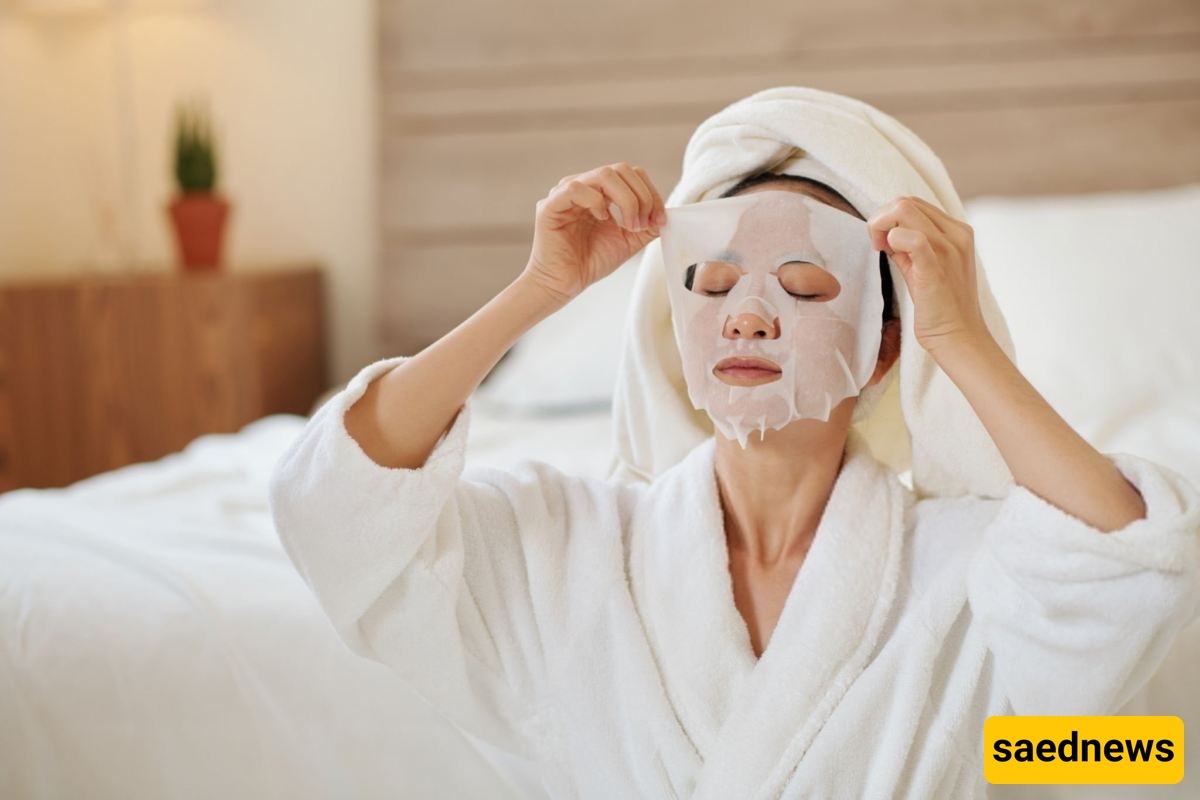
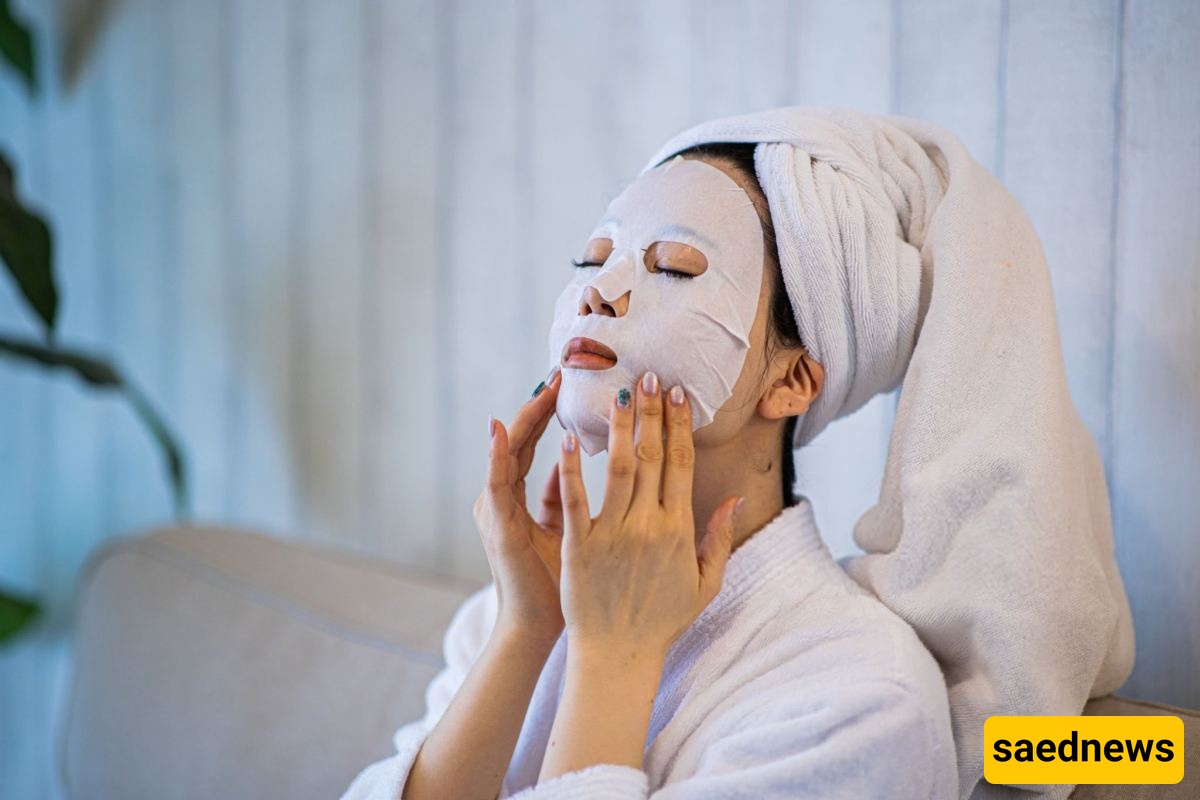
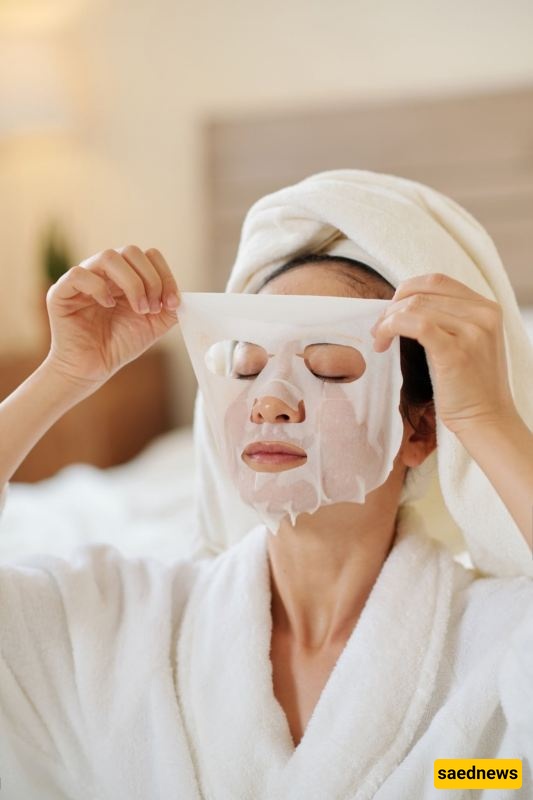
Apply the mask: Carefully place the sheet over your face and smooth it from the center toward the edges, minimizing air pockets between the sheet and your skin.
Follow the recommended time: Most sheet masks are designed to remain on the skin for around 15–20 minutes, although you should always follow the instructions on the specific product. Avoid leaving a mask on until it becomes completely dry, as this can leave the skin feeling uncomfortable and dry.
After removing the mask: Gently pat the remaining serum into your skin. If the formula feels particularly heavy or sticky, follow the product's instructions regarding rinsing. Otherwise, you can usually leave the serum on and apply a lightweight moisturizer afterward to help seal in hydration.
If you're searching for well-known sheet mask brands, several names have gained international popularity:
Mediheal: A Korean skincare brand particularly known for its N.M.F range, which focuses on hydration. The brand also offers masks targeting skin that needs soothing and barrier support.
Dr. Jart+: Known for products such as the Cicapair range, which is designed with sensitive-looking, irritated skin in mind. Its Vital Hydra Solution line is another popular option for hydration.
Innisfree: The brand's sheet masks have become popular for their wide range of formulas and accessible price points, including options featuring ingredients such as green tea, honey, rice, and other botanical extracts.
L'Oréal Paris: Its sheet mask ranges include products designed to address hydration, signs of aging, and skin cleansing.
Important: Always check the manufacturing and expiration dates before purchasing or using a sheet mask. Because these products contain significant amounts of liquid serum, proper storage and product freshness are particularly important.
Choosing a mask based solely on advertising: Celebrity endorsements and marketing claims do not necessarily indicate that a product is suitable for your skin. Check the ingredient list instead.
Ignoring hygiene: Wash your hands before handling the mask or touching your face to reduce the risk of transferring bacteria.
Using the same type of mask all year: Your skin's needs can change with weather, humidity, temperature, and lifestyle. Adjust your skincare routine accordingly.
Overusing active masks: Masks containing exfoliating acids such as AHA or BHA, or strong active ingredients such as vitamin C, should be used according to the product's directions. Excessive use can irritate the skin and compromise the skin barrier.
Wasting leftover serum: The excess serum in the package can often be applied to areas such as the neck and hands, provided the product's instructions allow it.
Applying the mask to completely wet skin: After cleansing, gently pat your face so it is slightly damp rather than dripping wet. Excess water between the skin and mask may dilute the serum and make application less effective.
The best sheet mask is not necessarily one particular product or brand. It is the mask that matches your skin type, current concerns, and skincare goals.
For dry skin, hydrating formulas containing ingredients such as hyaluronic acid and ceramides can be useful. For oily or acne-prone skin, ingredients such as niacinamide and salicylic acid may be more appropriate.
When shopping, look beyond attractive packaging and advertising claims. Read the ingredient list and consider whether the formula actually addresses your skin's needs.
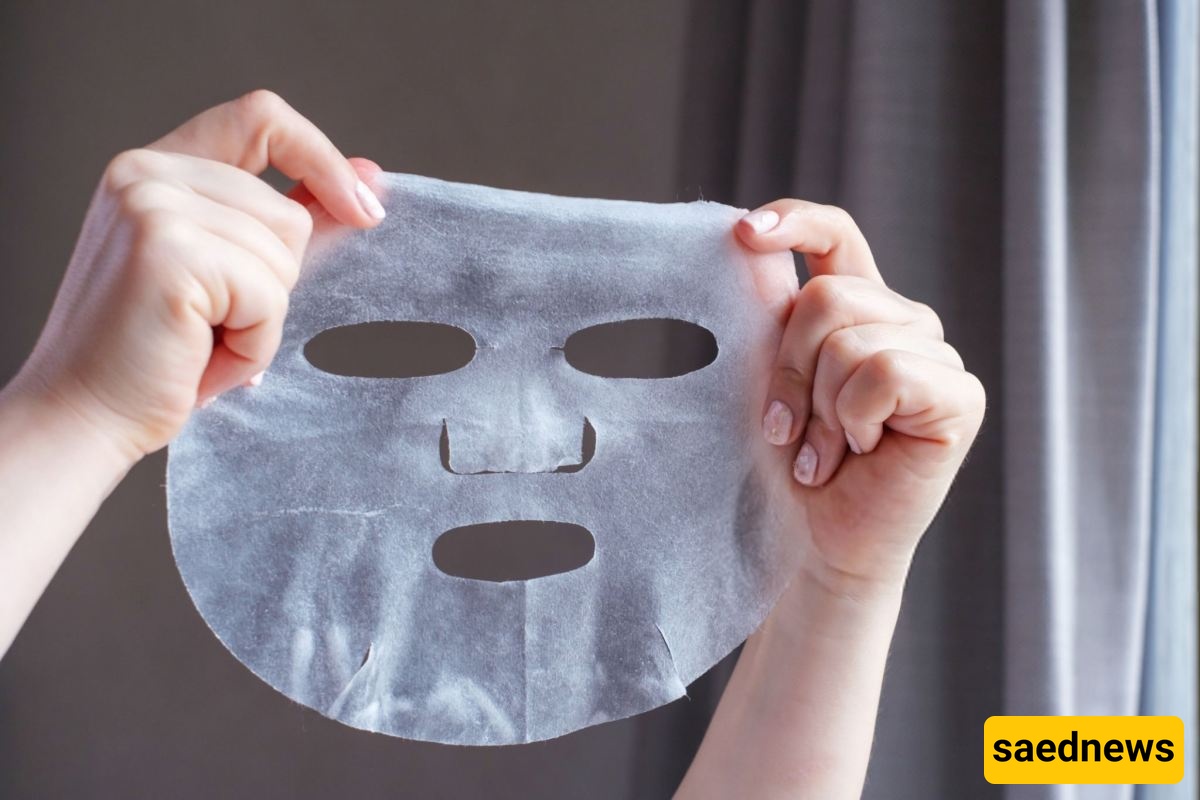
It is also important to follow the recommended application time rather than leaving a sheet mask on until it dries completely.
Finally, if you have sensitive skin or are trying a new product, consider performing a patch test first. Apply a small amount of the serum to an inconspicuous area, such as behind the ear or on the inner forearm, and monitor the area for signs of irritation.
With the right product and proper application, sheet masks can be an enjoyable addition to a well-rounded skincare routine. The key is to choose based on your skin's actual needs rather than simply following trends or advertising claims.