SAEDNEWS: A simple act at the doorway reveals deep ideas about cleanliness, comfort, architecture, and the relationship between the outside world and private life.
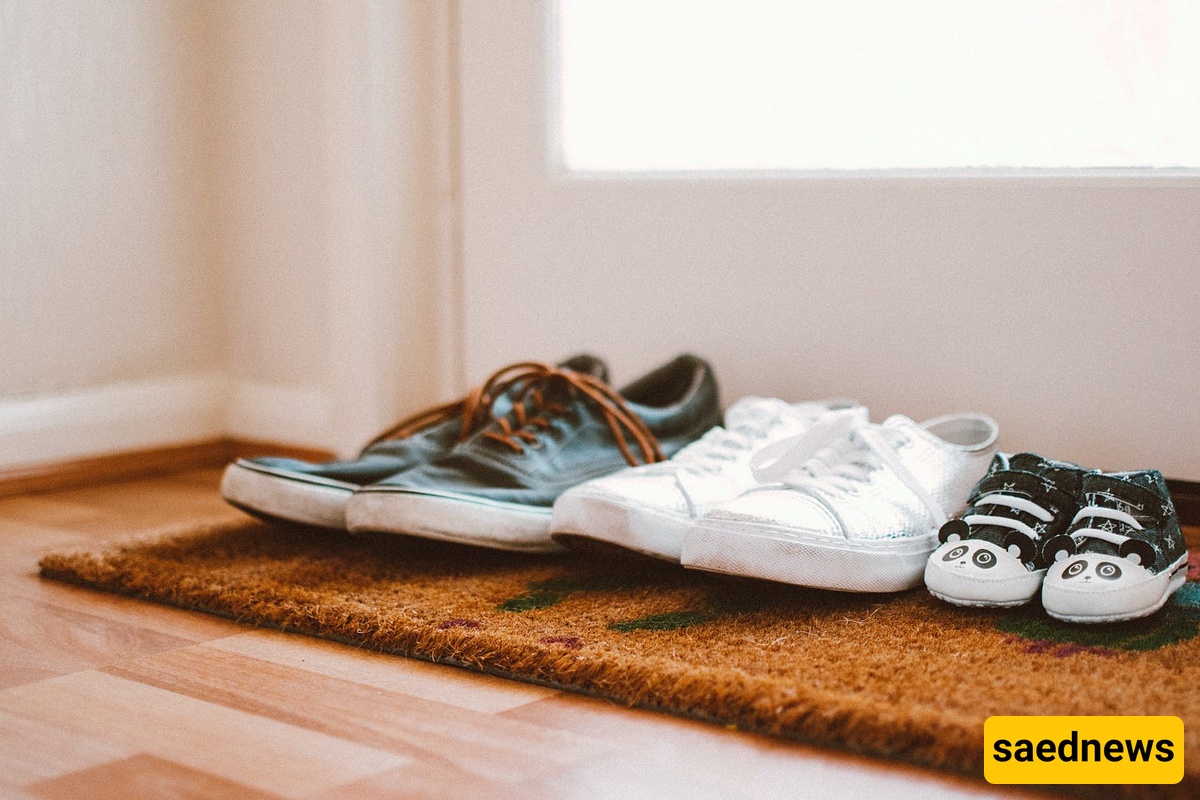
According to SaedNews, For many people around the world, removing shoes before entering a home is an ordinary habit. A guest arrives, footwear is left near the entrance, and life continues inside. Yet this small gesture carries centuries of cultural meaning, shaped by climate, architecture, traditions, and ideas about what makes a space truly feel like home.
The practice is especially common in countries such as Japan, Korea, Finland, Iceland, and many parts of Central and Eastern Europe, although the reasons and customs differ from place to place. In some societies, shoes are considered a direct connection to the dirt and unpredictability of the outside world, while the interior of the home represents comfort, cleanliness, and privacy.
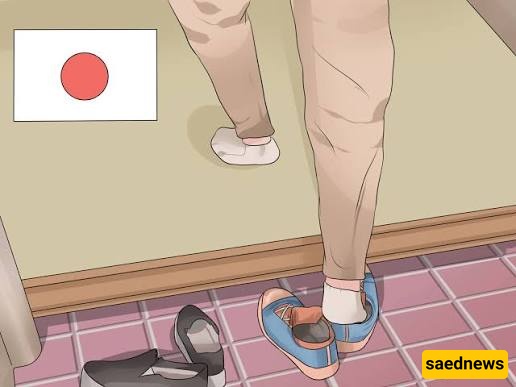
One of the clearest examples comes from Japan, where the entrance area known as the “genkan” creates a visible transition between outside and inside. The lower entrance space is where outdoor shoes are removed, while the raised interior floor marks the beginning of the clean living area.
This design developed alongside traditional Japanese homes, where people often sat directly on tatami mats, ate close to the floor, and sometimes slept on floor bedding. Keeping outdoor dirt away from these surfaces was not simply about appearance — it was part of daily comfort and hygiene.
The idea also reflects a broader cultural distinction between “inside” and “outside.” The home is viewed as a protected personal space, and the entrance becomes the point where the outside environment is left behind.
Weather has played an important role in many societies that remove shoes indoors.
In Japan, humid summers and traditional raised-floor housing contributed to the development of footwear-removal customs. Elevated structures helped with ventilation and moisture control, while entrance spaces naturally became areas where shoes were removed before stepping into living rooms.
In northern European countries, including Finland and Iceland, the practice is strongly connected to seasonal conditions. Mud, snow, and wet outdoor footwear make keeping shoes on indoors inconvenient and impractical.
A snowy winter boot that protects someone outside can become something unwanted once it crosses into a warm living space.
It is easy to assume that shoe removal is only about avoiding dirt, but the tradition often represents something deeper.
For many households, removing shoes signals a psychological transition: the person is leaving the public world and entering a private environment. The change of footwear can represent relaxation, respect for the host, and readiness to settle into the home.
In Japan, this concept appears in other settings too. Traditional inns, some restaurants, temples, and other buildings may require visitors to remove outdoor footwear before entering certain areas.
Although Japan is often associated with this practice, it is not unique.
Across parts of Asia, Europe, and the Middle East, households have developed traditions involving indoor cleanliness and separate spaces for outdoor and indoor life. Some cultures use slippers for guests, while others simply walk in socks or barefoot.
In Korea, removing shoes at the entrance is closely connected with homes designed around floor-based living traditions, where people sit and spend time close to the ground.
The details vary, but the underlying idea is similar: the home is not just a building; it is a different type of environment with its own rules.
The question of whether shoes belong indoors may seem minor, but it reveals how societies understand comfort, respect, cleanliness, and personal space.
A doorway is more than an entrance. In many cultures, it is a symbolic line between two worlds — the outside world of movement and uncertainty, and the inside world of rest, family, and belonging.
That is why a simple action like taking off shoes can tell a much larger story about how people live.