SAEDNEWS: A bangle bracelet (Bangle) is a classic circular piece of jewelry without a clasp, with roots in Indian culture. This article examines its definition, its differences from regular bracelets, as well as its design features and cultural uses as a popular accessory.
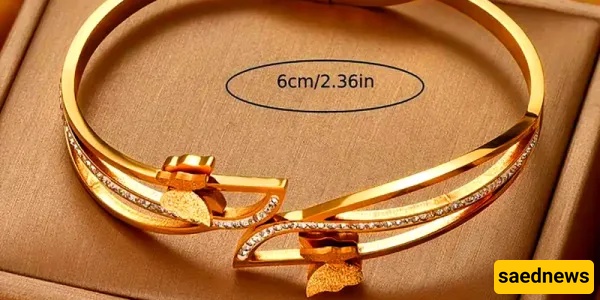
According to Saednews, A bangle is a type of circular, clasp-less bracelet that is usually designed in a complete round shape. It is worn by sliding it over the hand onto the wrist. Unlike chain bracelets, bangles are not flexible, and their design is typically rigid and seamless. This type of jewelry is one of the most popular styles in both classic and modern gold and fashion accessories. Gold bangles can be simple and minimal or decorated with gemstones and engravings, making them an excellent choice for everyday wear or gifting.
A bangle is one of the types of jewelry that can be produced in various forms such as bracelets and necklaces. But what does “bangle” actually mean? The word generally refers to a rigid, circular, clasp-free bracelet worn around the wrist.
The word bangle originates from the Hindi language and means a “rigid, non-flexible ring.” In the fashion and jewelry world, it refers to a specific type of bracelet that is circular and clasp-free. Bangles have cultural roots in India and South Asia and are now widely popular in modern jewelry design, especially gold bangles that combine traditional beauty with contemporary style.
A gold bangle is made of gold and is available in various designs for both men and women. Some are simple and minimal, while others are decorated with gemstones or precious stones.
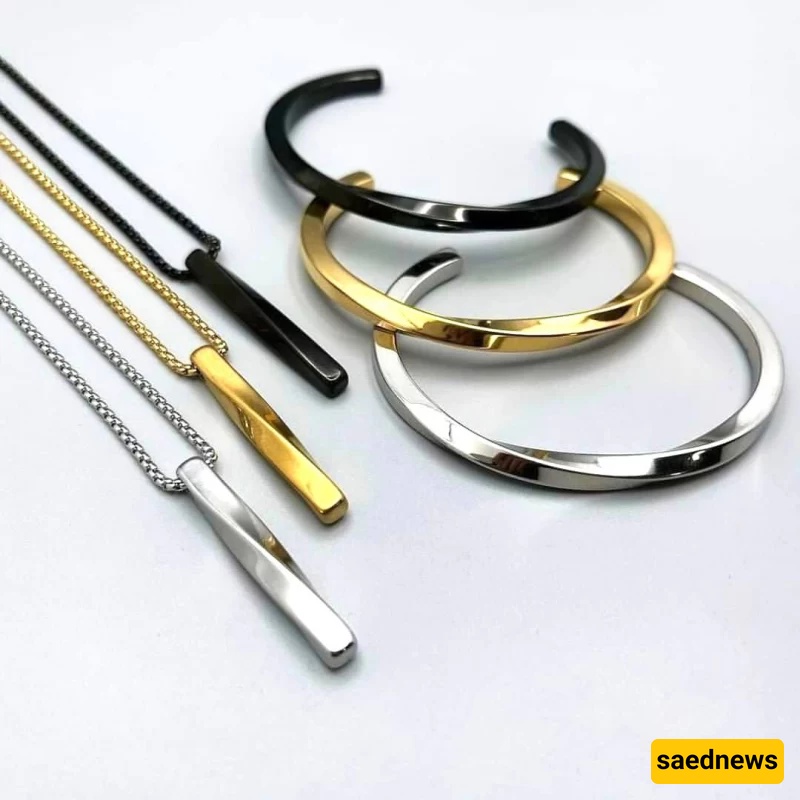
Bangle: Usually a rigid, fixed circular shape with no clasp. It is made from metals such as gold, silver, steel, or brass, and its shape is generally non-adjustable.
Bracelet: More flexible and can be made of leather, chain, thread, or metal. Many bracelets have clasps or adjustable mechanisms to fit different wrist sizes.
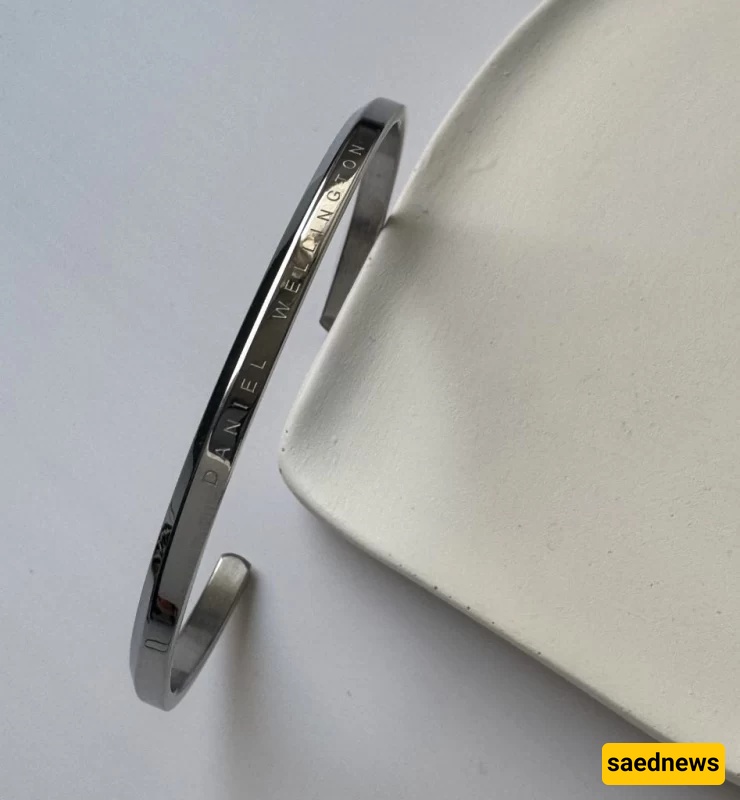
Bangle: Due to its fixed size, it must pass through the hand easily. In some cases, bangles may not fit well for very small or large hands.
Bracelet: Easier to wear because of adjustable clasps or flexible designs, making them suitable for a wide range of wrist sizes.
Bangle: Typically thicker and simpler in design, though some are decorated with gemstones. Bangles are often considered formal and classic accessories used in luxury styling.
Bracelet: Offers greater variety and can be casual, sporty, or everyday wear. They are more versatile and widely used in different situations.
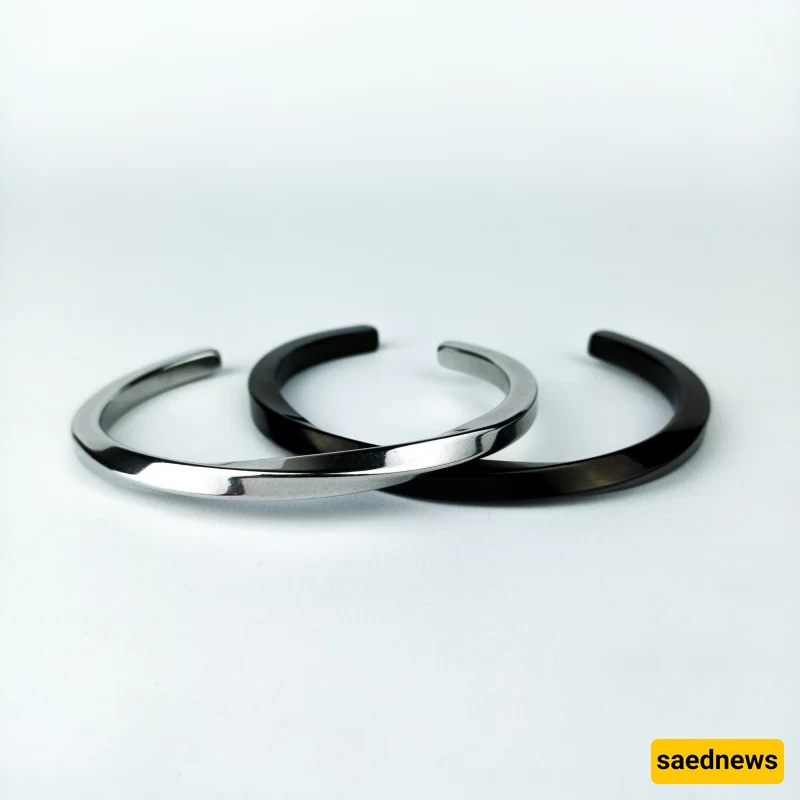
Bangle: Mostly used for special occasions or formal styles, often paired with other jewelry such as rings or additional bangles.
Bracelet: Suitable for daily wear or informal occasions, and popular among young people due to its variety and comfort.
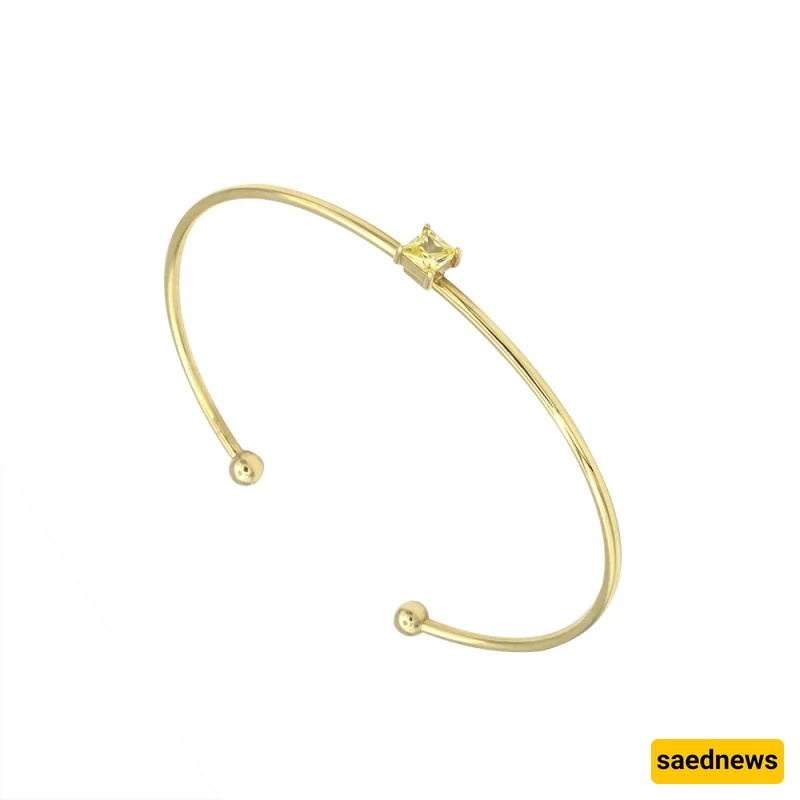
Bangle: Usually made from precious metals like gold and silver. Due to higher weight and purity, they are often more expensive.
Bracelet: Made from a wide range of materials such as leather, thread, semi-precious stones, or simple metals, resulting in a broader price range.
Bangle: In cultures such as India, bangles symbolize marriage and happiness and are often given as gifts during special ceremonies.
Bracelet: Mostly used as fashion accessories with fewer cultural or religious associations.
A bangle is a rigid, circular bracelet with deep cultural roots and strong presence in both traditional and modern jewelry design. Compared to bracelets, it is more structured, often more formal, and frequently associated with cultural symbolism.