SAEDNEWS: In the past, people generally had restrictions and traditions that now seem inappropriate. These were not only related to personal hygiene, but also to dress codes, social behavior, and even people’s professions. Comparing the 21st century with the past makes us appreciate the changes that have taken place.

Some of us shower every day, and some even more than once. Because of that, it’s hard to imagine that centuries ago even the wealthiest aristocrats did not have access to such a basic luxury. In the past, people lived under customs and restrictions that today seem unusual or even inappropriate—not only in personal hygiene, but also in clothing, society, and work. Comparing the 21st century with earlier eras makes us appreciate how much things have changed.

In Ancient Greece, beards were considered a symbol of masculinity and wisdom. The fuller and more impressive a man’s beard was, the higher his status. A clean-shaven face, on the other hand, was associated with femininity.
Because of the Olympic Games, people understood the importance of physical fitness and injury prevention. One method was rubbing the body with olive oil to increase body temperature. Another was warming up before competition to avoid injuries.
The term “Hippocratic face” was used to describe a person’s appearance shortly before death. Doctors believed that if a patient showed signs such as a sharpened nose, sunken eyes and temples, cold and retracted ears, and dry, stiff facial skin, death might be near.

According to some sources, the tradition of clinking glasses originated in the Middle Ages. A legend claimed evil spirits could enter through the mouth, and clinking glasses was believed to drive them away. For the same reason, people covered their mouths when yawning.
The custom of tipping one’s hat as a greeting also dates back to the Middle Ages. Knights would remove their helmets to show peaceful intentions.
The use of forks began in the 12th century. Before that, people mainly used spoons, and only for eating sweets. Forks were even considered tools of the devil and were avoided.
In medieval France, people wiped their hands on tablecloths and drank soup directly from bowls without spoons.
Handwashing before meals was already practiced. Water was brought to the table by servants, and people would rinse their hands and wipe them with the tablecloth.
Physicians once believed bathing was dangerous. It was considered so harmful that some people consulted astrologers to determine the safest time to bathe. For example, Isabella I of Castile was said to have bathed only twice in her lifetime.
Henry VIII reportedly forced his servants to kiss his bed each morning to ensure it had not been poisoned.
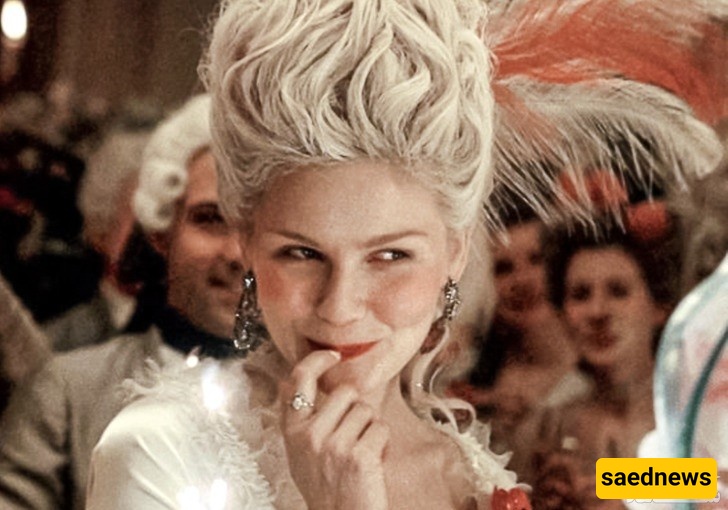
Eighteenth-century fashion dictated strict rules for aristocratic women. Hairstyles could take hours to complete, often using artificial hair and wire structures to increase height. Hair was decorated with flowers, fruit, and even taxidermy animals, and fixed with animal fat.
Marie Antoinette, Queen of France, was said to take pride in having lice. At the time, lice were sometimes seen as a sign of piety, suggesting a person cared more for spiritual purity than physical cleanliness. They were even called “God’s pearls.”
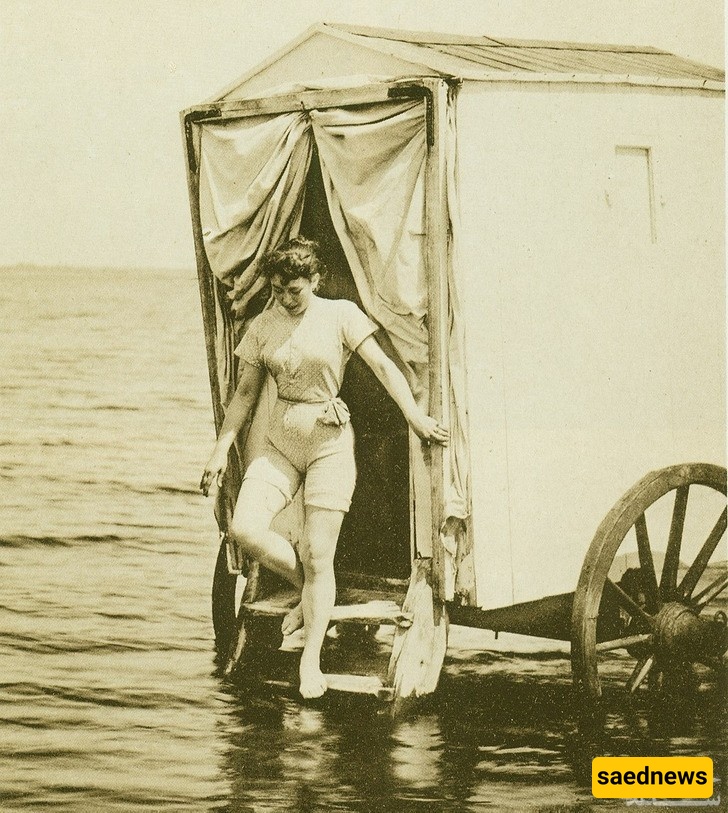
In the Victorian era, public exposure of the body was forbidden. Special “bathing machines” were used so people could change into swimwear in privacy.
Unmarried women were not allowed to go out alone, nor were they permitted to stop and talk in public spaces freely.
If a woman met a male acquaintance in the street and wished to speak with him, she had to place her hand in his. The man was then expected to accompany her for a time.
Young unmarried women were not allowed to have sexual relationships or even speak freely with men unless accompanied by a married woman.

Wealthy families dressed both boys and girls in white, frilly garments during childhood. The richer the family, the more lace and decoration the clothing had. Both boys and girls also wore ribboned hats.
The era of “hooped skirts” lasted from 1850 to 1870. These skirts were made of multiple layers supported by a wooden frame, often causing women to get stuck in doorways.
Some women—and even some men—used thin slices of raw meat as facial masks to prevent wrinkles and acne.