Saed News: The results of a new study show that writing disturbing experiences on paper and then throwing it away or shredding it can miraculously return anger levels to normal.
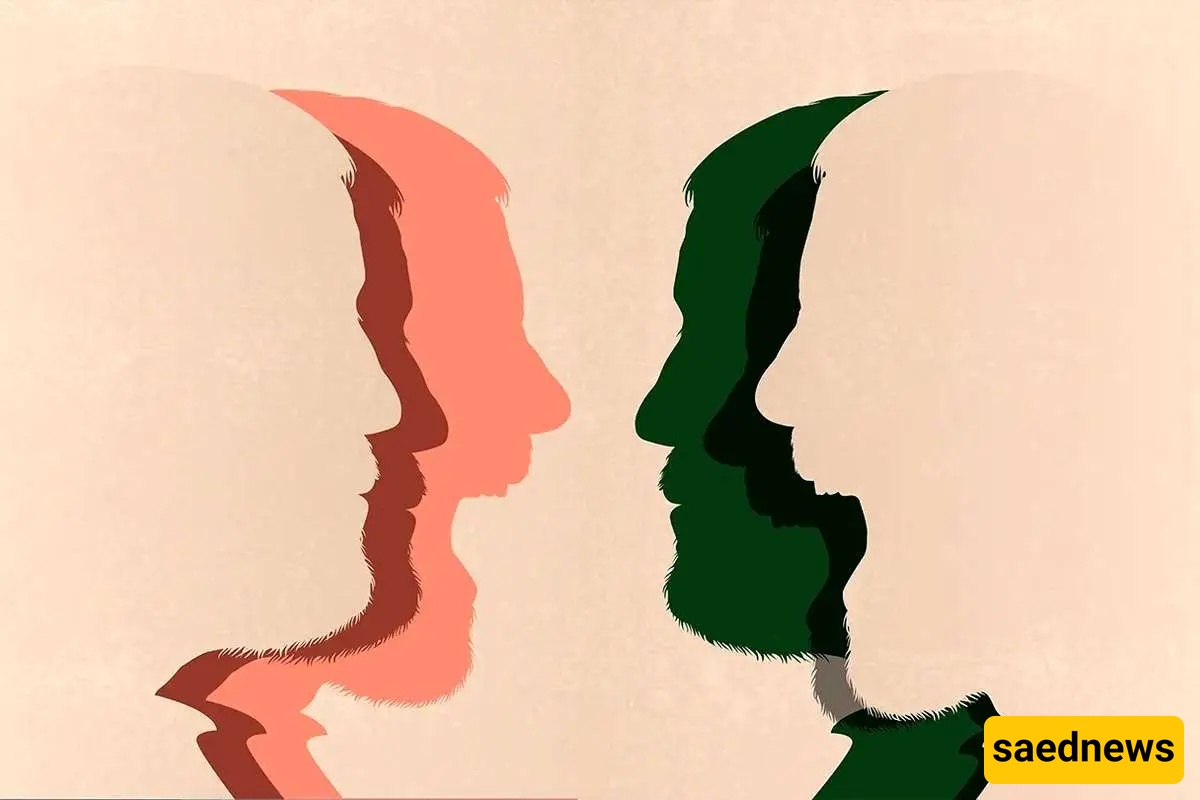
According to SAEDNEWS, citing Psychology Today, all of us have repeatedly been in situations where a simple conversation becomes heated and the emotional temperature of the room suddenly rises. It does not matter whether this tension comes from a heated political debate, harsh criticism in the workplace, or even a sharp sarcastic remark within a family gathering; in all cases, the natural human reaction is to become defensive, feel hurt, and ultimately become angry.
Sometimes this anger does not arise during the conversation itself, but later, when a person learns what others said in their absence. The reality is that facing unpleasantness and aggressive behavior is an inseparable part of our social life. Therefore, the key question is not how to avoid such situations, but how to control anger when it flares up.
Many people describe themselves as rational, calm, and gentle; however, this description is often only true until they are provoked or insulted. From classrooms to conference rooms and even the calm environment of home, conflicts always occur. The key to success is learning how to avoid acting on immediate emotions.
A study recently conducted by Yuta Kanaya and Nobuyuki Kawai in 2024 examined methods for eliminating anger caused by environmental triggers. The researchers emphasize that the inability to suppress or manage anger can have devastating consequences for interpersonal relationships.
One of the most dangerous consequences of uncontrolled anger is a phenomenon psychologists call “rumination.” In this state, a person continuously and obsessively thinks about the upsetting event. This immersion in a painful past experience causes the person to repeatedly recreate the insult or humiliation in their mind. The result is not only sustained mental anger but also increased physiological responses such as higher blood pressure and heart rate, which can lead to serious long-term physical harm.
Kanaya and Kawai’s research team sought a way to stop this destructive cycle. In their experiments, they found a surprising result: the physical disposal of anger-related writings has a direct effect on reducing negative emotional intensity.
In this study, participants were asked to write short opinions about sensitive social issues. Then, each participant received handwritten and highly insulting feedback stating: “I can’t believe someone with such a low level of education wrote this.”
Naturally, anger levels in all participants rose sharply after receiving this insult. They were then asked to write down their thoughts and reasons for their distress about the incident on paper. The researchers then divided participants into two groups:
Disposal Group: Participants were instructed to crumple their angry writings and throw them in the trash or destroy them using a shredder.
Retention Group: Participants were asked to place their paper in a folder and keep it on their desk.
The results were striking. Anger levels in those who threw away or shredded the paper quickly returned to normal baseline levels. In contrast, those who kept the paper continued to experience high levels of anger and disgust.
This research shows that the human brain tends to create a connection between physical objects and abstract concepts. When we discard a “physical symbol” of our anger—such as a written note describing our pain—it is as if we are symbolically and physically instructing our brain that this emotion no longer belongs in our mental space.
Kanaya and Kawai believe that merely keeping or rereading the paper does not help emotional release; rather, it is the act of “disposing” that works like magic. This method is introduced as a very cheap, accessible, and extremely fast tool for managing emotional crises.
This new strategy is not just a laboratory finding; it can be applied in various areas of life:
Child upbringing: Parents under stress from challenging child behavior can quickly write down stressors and discard them to avoid harsh and regrettable reactions.
Work meetings: Employees facing unfair criticism or toxic behavior from colleagues can vent their emotions on paper before responding to harsh emails and then destroy it.
Clinical therapy: Therapists can use this technique as part of anger management and behavioral treatment programs.
Ultimately, anger management depends more on understanding the right tools than on willpower alone. The “write and throw away” method shows that sometimes the simplest solutions are the most effective. By using this approach, we not only protect our emotional health but also prevent damage to our relationships. In fact, by discarding a piece of paper, we open the path to calmness, rational thinking, and more constructive conversations.