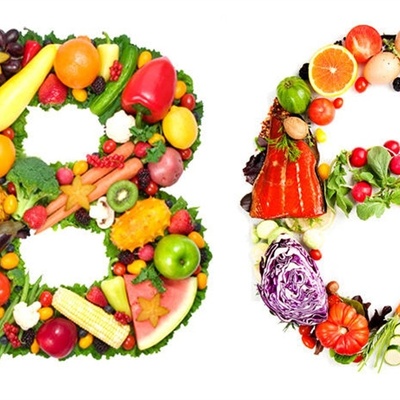
SAEDNEWS: Vitamin B6 is one of the B-group vitamins that benefits the central nervous system. It plays a role in the production of the neurotransmitters serotonin and norepinephrine, as well as in the formation of myelin.
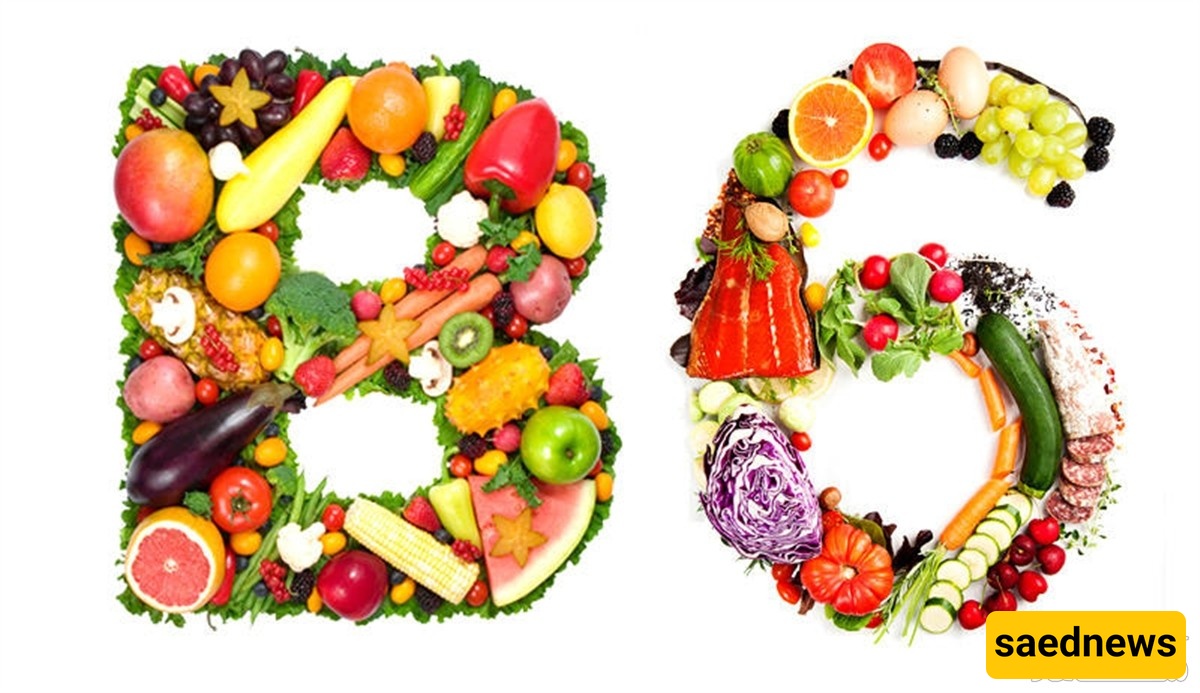
According to SaedNews Health Service, vitamin B6 is vital for your body. It is also a nutrient that is not stored in large amounts in the body, so you need to ensure a consistent supply. So, how can you increase your intake of vitamin B6?
The Recommended Dietary Allowance (RDA) for vitamin B6 is as follows:
Group | RDA of Vitamin B6 |
|---|---|
Adults | 1.3 mg |
Pregnant women | 1.9 mg |
Lactating women | 2 mg |
Adults over 51 (Men) | 1.7 mg |
Adults over 51 (Women) | 1.5 mg |
Vitamin B6 deficiency is rare but may occur due to poor intestinal absorption or use of medications such as estrogen, corticosteroids, anticonvulsants, and certain other drugs. Long-term alcohol consumption may eventually lead to B6 deficiency, while hypothyroidism and diabetes can also contribute.
Peripheral neuropathy with tingling
Numbness and pain in hands and feet
Anemia
Seizures
Depression
Confusion
Weak immune system
This deficiency can lead to pancreatic syndrome or seborrheic dermatitis (a chronic condition causing scalp itching and flaking), glossitis (tongue inflammation), and cheilitis (inflammation and cracking of the lips).
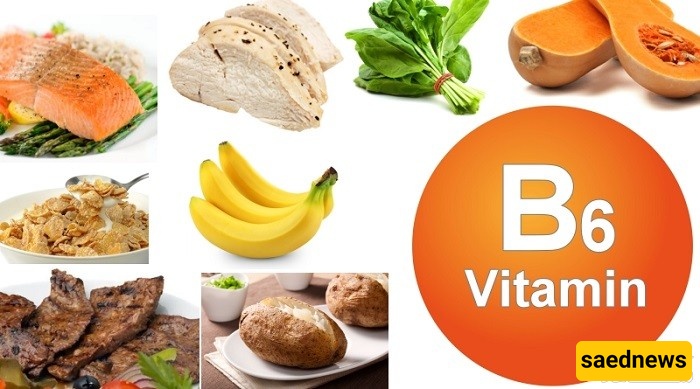
Food | Benefits and Notes |
|---|---|
Milk | One cup of cow’s milk provides 5% of your daily vitamin B6 requirement. Milk is also high in vitamin B12 and calcium. |
Avocado | Rich in vitamin B6, vitamin C, fiber, and healthy fats. Can be added to salads or eaten as a snack. |
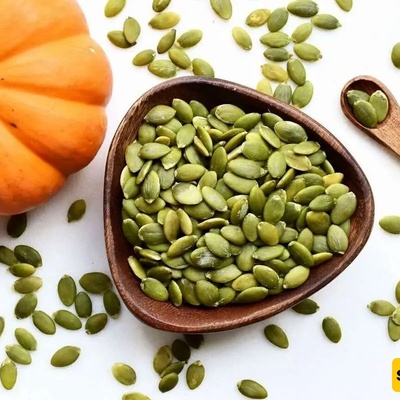
Nuts & Seeds | Almonds, walnuts, cashews, hazelnuts, sesame seeds, and sunflower seeds are high in B6. One cup of sunflower seeds contains 1.1 mg of vitamin B6. |
Banana | Helps serotonin production and supports nervous system function. 100 g of banana contains 30 mg of vitamin B6. |
Meats | Chicken and other meats are rich in vitamin B6 and other nutrients. Consume 1–2 times a week to prevent deficiency. |
Salmon | Supports adrenal gland health, which regulates important hormones such as cortisol, adrenaline, and aldosterone, helping control blood pressure. |
Eggs | Provide 10% of your daily B6 requirement. They are nutrient-rich and versatile for breakfast, lunch, or dinner. |
Legumes | Beans, chickpeas, lentils, and split peas maintain B6 levels while supplying protein. |
Green Peas | Rich in vitamin B6, vitamins A and C, and fiber. Helpful in weight management diets and preventing deficiency. |
Sweet Potato | Supplies about 15% of your daily B6 needs. Also high in fiber, vitamin A, and magnesium, and helps regulate glycogen for energy storage. |
Spinach | A green leafy vegetable rich in vitamin B6, vitamin C, vitamin A, and iron. Supports immunity and prevents anemia. |
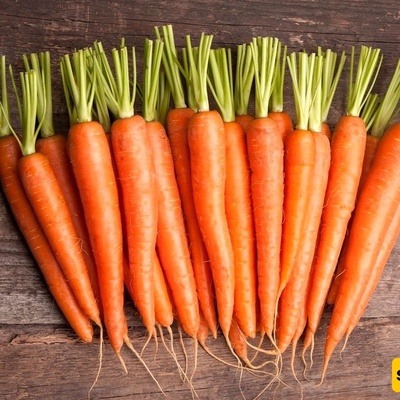
Carrots | Contain vitamin B6, fiber, and high amounts of vitamin A. B6 helps form a protein sheath around nerve cells. |
Chicken Liver | Extremely nutritious, rich in protein, folate, vitamin A, B6, and B12. Should be consumed in moderation. |














![[VIDEO] Iran's Foreign Minister Urges Stronger Diplomacy Against Israeli Aggression](https://en.saednews.com/storage/files/post/194e96d3-67f6-4a98-8b66-ad9921cca68b-XLNZ4WI0wfaXUHv7/1x1-image.jpg)