SAEDNEWS: Taq Bostan in Kermanshah, with its stunning rock reliefs, showcases Sasanian art. From coronations and royal hunts to Qajar motifs, its iwans and carvings hold centuries of historical secrets.
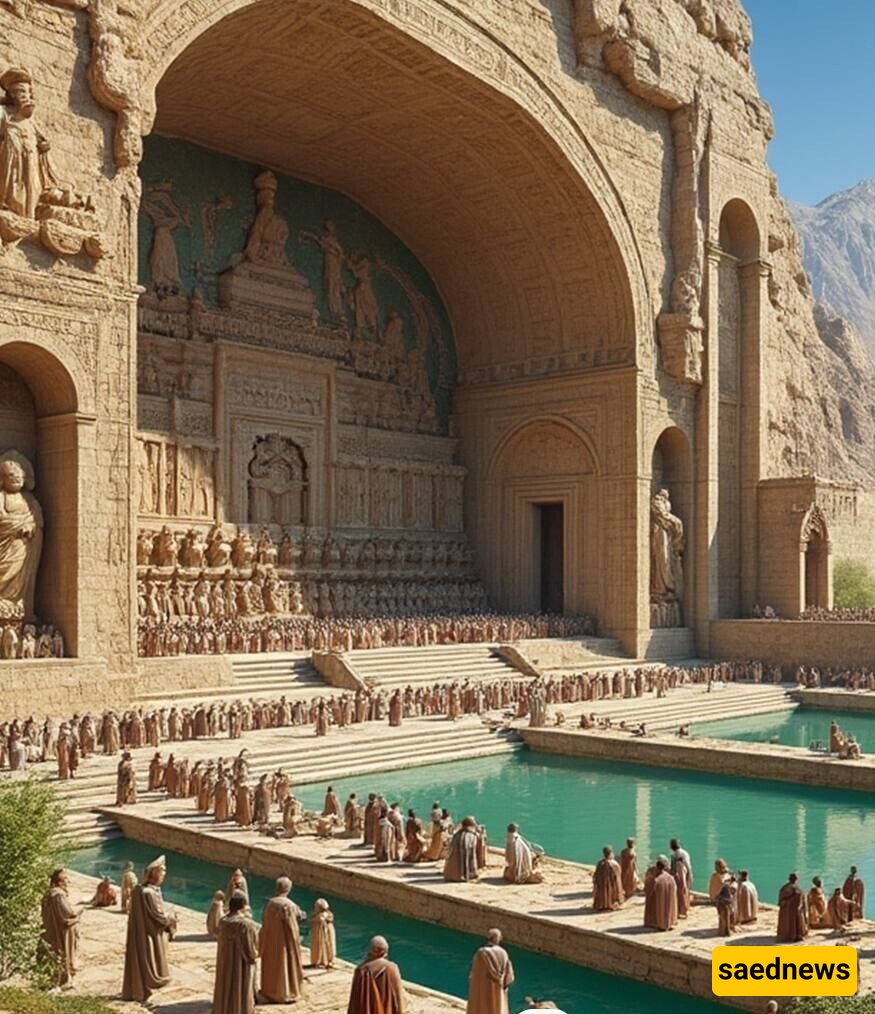
According to the History and Culture Service of Saed News, Taq Bostan, one of Iran’s most prominent historical heritages, is located in the heart of the Zagros Mountains in Kermanshah Province. This site comprises a series of arches and rock reliefs carved into the mountainside by Sassanian kings. These reliefs depict coronation scenes and hunting ceremonies with artistic detail, reflecting significant historical and artistic value. The geographical location of Taq Bostan, near water sources and lush plains, made it a favored site for Sassanian kings and positioned this complex along the Silk Road.
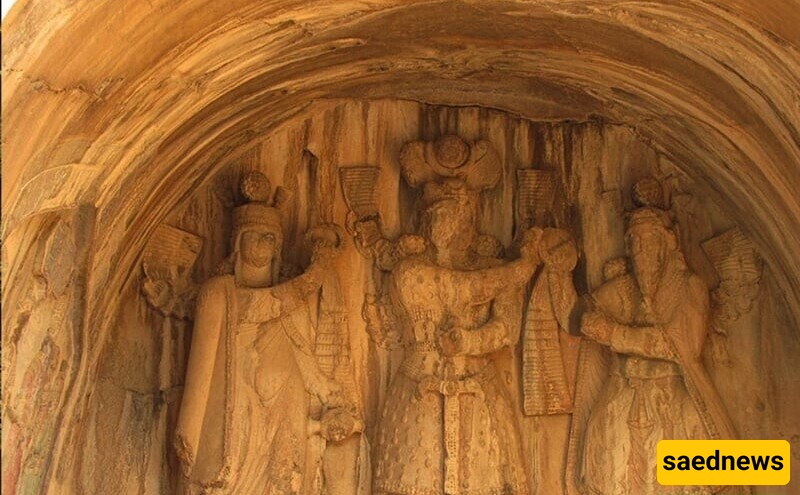
The main sections of Taq Bostan include two large and small iwans and the coronation relief of Ardashir II. The large iwan, dedicated to the coronation of Khosrow II, features a square-shaped hall with walls adorned with depictions of animals, angels, and hunting scenes. In this relief, Khosrow II is shown with his famous horse, Shabdiz, presenting a magnificent scene of royal celebration. Beside him, the figure of Anahita, the goddess of water and abundance, is also depicted.
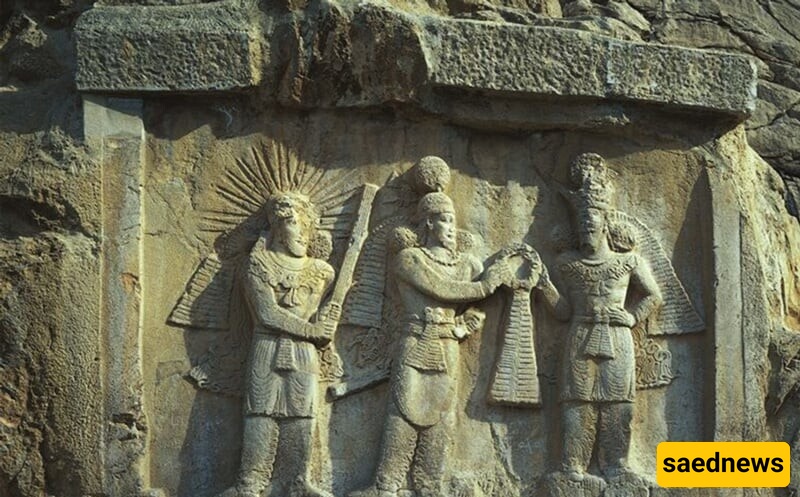
The small iwan belongs to the coronations of Shapur II and III. This section has a rectangular hall with two Pahlavi inscriptions engraved on its walls. The inscriptions portray the Sassanian kings in detailed, pleated garments. Additionally, beneath Ardashir II’s feet, the defeated Roman emperor Julian is carved, symbolizing the Sassanian victory over the Romans and reflecting the power and grandeur of the Sassanian monarchs.
One of the marvels of Taq Bostan is the Royal Hunting Relief, considered the world’s first stone tableau based on painting principles. It depicts a boar hunt with dynamic movement and striking detail, regarded as one of the masterpieces of global stone art. Scenes of musicians and female performers playing the harp and wind instruments also vividly showcase the art and culture of the Sassanian era.
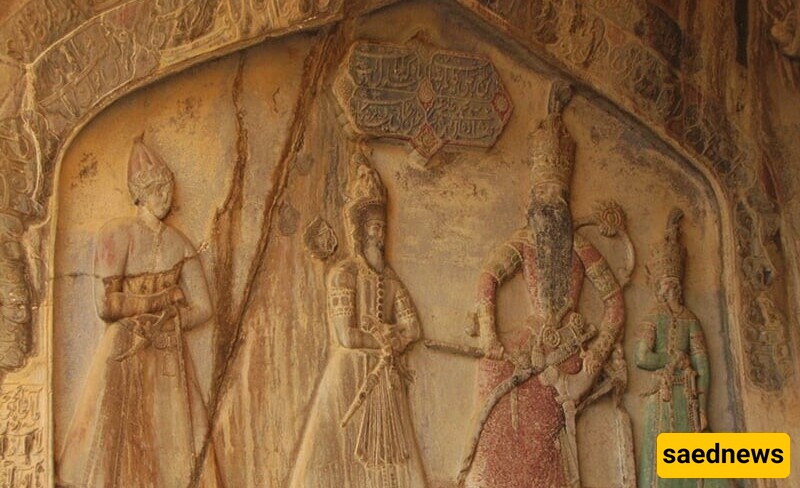
During the Qajar period, additions were made to the complex, including a relief of Mohammad Ali Mirza Dowlatshah and his family on the left side of the large iwan. In this relief, the Kermanshahi poet Basmal composed verses in praise of Mohammad Ali Mirza, likening Taq Bostan to Mount Sinai. These inscriptions and Qajar-era depictions further enhanced the cultural significance of Taq Bostan in later periods.