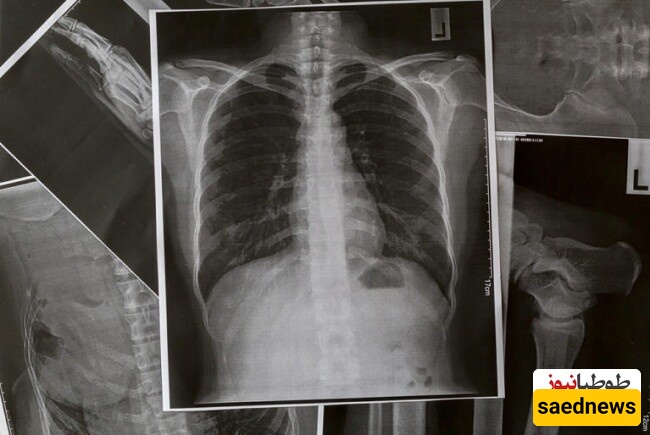
SAEDNEWS: It is not possible to determine an exact duration for a cold, as this can vary depending on several factors such as age, overall health, the causative agent, and the strength of the immune system. A typical cold may last anywhere from a few days to a few weeks.

According to Saed News Health Service, the common cold usually begins with fatigue, sneezing, and headache, and continues with symptoms such as cough, sore throat, runny nose, and fever. It typically resolves within seven to ten days, though some symptoms may last up to three weeks.
However, a prolonged cold is not an issue to ignore. If you have been experiencing cold symptoms for a long time, you may be dealing with more serious problems. Here, we explore possible reasons why a cold might last longer than usual.
Reason | Explanation |
|---|---|
1. You may still have a cold | The most straightforward reason for a prolonged cold is the cold itself. It is a common illness worldwide, especially among children who often catch a cold once a month, while adults typically experience 2–4 colds per year. While most colds resolve within a week, if symptoms persist for more than two weeks, it is considered a prolonged cold.
|
2. You may have caught a new cold | Especially during cold season, you might initially get infected by one virus and recover partially, but then be exposed to another virus. This can overlap with your previous cold, making it seem like your cold is lasting longer. Hundreds of viruses can cause colds, which is why multiple colds per year are common, particularly in children. |
3. Side effects of medications | Chronic dry cough can be a side effect of certain blood pressure medications such as Lisinopril, Benazepril, and Ramipril. These usually do not cause other cold symptoms like nasal congestion or sore throat. If you are taking these drugs, consult your doctor for possible alternatives.
|
4. Postnasal drip | Persistent cough with clear or white mucus may indicate chronic postnasal drip, which often worsens at night. This can cause constant throat clearing and nasal congestion, and may be aggravated by allergies. |
5. Allergies | Environmental allergies can cause prolonged runny nose and cough, often accompanied by itchy, watery eyes. Pollen levels can increase in winter, overlapping with cold season. |
6. Bacterial sinusitis | New symptoms such as sinus pressure, headache, or fever after initial cold improvement may indicate bacterial sinus infection. This typically occurs 10–14 days after cold onset and requires specialized medical treatment. |
7. Asthma or chronic obstructive pulmonary disease (COPD) | Persistent coughing with wheezing may indicate asthma or COPD. Asthma often starts at a younger age, while COPD is common among smokers. Diagnosis usually involves lung tests, and treatment may include various inhalers. |
8. Pneumonia | Continuous cough with brown or green mucus, fever, and shortness of breath can indicate pneumonia. Individuals with chronic lung conditions are at higher risk, but healthy people can also be affected. Immediate medical attention is required as pneumonia can be life-threatening.
|
9. Gastroesophageal reflux disease (GERD) | A bad taste in the mouth with dry cough or hoarseness may suggest acid reflux. Symptoms include heartburn, nausea, burping, and vomiting, often triggered by heavy meals, lying down, or regular use of anti-inflammatory medications. Antacids can help, but persistent symptoms require a doctor’s evaluation. |
10. Foreign object in the airway | Rarely, a foreign object in the respiratory tract, especially in children, can cause prolonged nasal discharge and bad odor. Removal by a specialist is necessary. |
11. Tuberculosis (TB) | TB is a serious bacterial infection causing persistent cough, sometimes with blood, fever, chills, and night sweats. It is highly contagious, and at-risk individuals include those with weakened immunity or exposure to infected persons. Immediate medical evaluation and mask use are essential until diagnosis. |
12. Weak immune system | Prolonged colds may indicate a weakened immune system. Factors like nutrient deficiency, insufficient sleep, stress, dehydration, and systemic viral infections (e.g., HIV) can reduce the body’s ability to fight infections. Complementary treatments may include nutrition, rest, hydration, stress management, and antimicrobial therapy. |
13. Cancer | If cough persists despite medications, particularly in smokers or those exposed to asbestos, cancer may be a possibility. It may appear after weeks or months and could be accompanied by general weakness, loss of appetite, shortness of breath, and weight loss. Medical evaluation is necessary for diagnosis.
|
For more family health articles from Saed News, click [here].