SAEDNEWS: Depression in Children: A Disorder That Can Affect Both Mental and Physical Health, Leading to Behavioral Disturbances
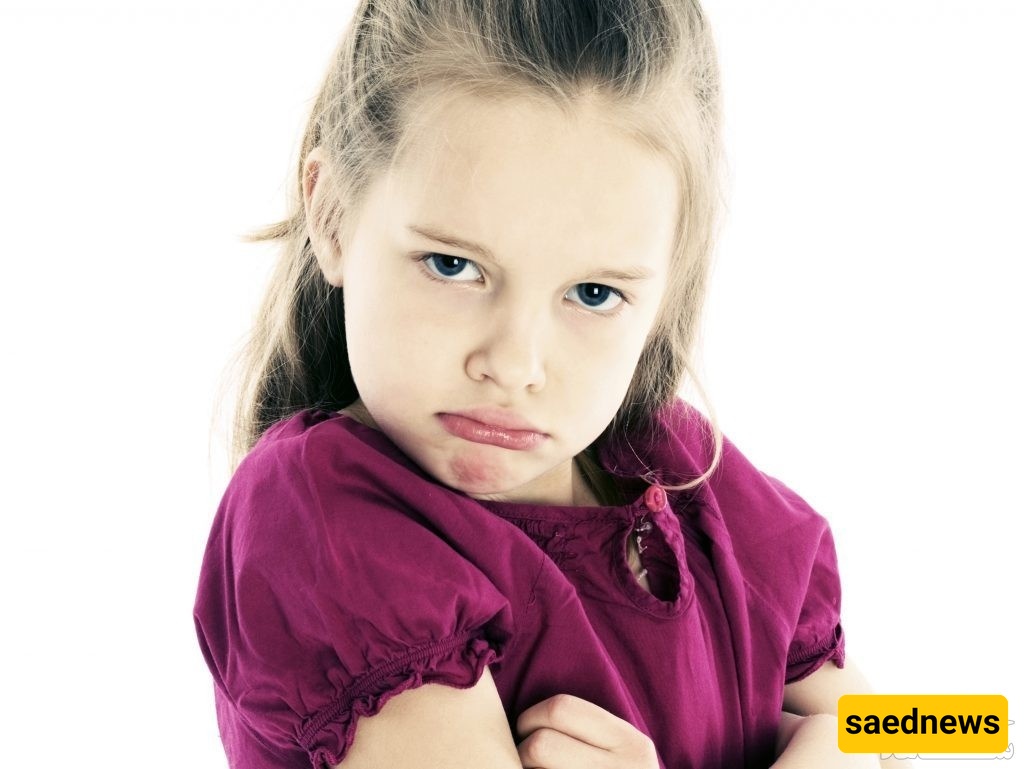
According to the Family Magazine service of Saed News Analytical News Agency, can children’s stubbornness and obstinacy indicate depression or psychological disorders? If a child experiences neglect, physical abuse, harsh punishment, or other adverse conditions within the family environment, they are certainly at risk of developing depression. Genetics also play an important role, meaning that if someone in the family has a history of depression, there is a higher likelihood that the child may develop it. In addition to hereditary factors, environmental conditions are also crucial, especially when a genetic predisposition exists. Sometimes, losing loved ones who are significant to the child, without being able to comprehend death or loss, can trigger depression. Situations such as parental divorce, where a child is forced to separate from one parent, or migration, where the child suddenly leaves a familiar culture and environment for an unfamiliar one, can also contribute to depression.
There are multiple ways to identify psychological issues in children. The most important signs include persistent sadness and unreasonable worries that are not linked to any specific event. Parents can observe their child’s reactions when something distressing occurs. For instance, if a relative dies, it is normal for family and friends to be upset. However, if the child’s reaction seems extremely intense or prolonged, it may indicate depression.
All children and adolescents need to feel respected, valued, and loved, and they have a strong need to connect with their parents. Children with one depressed parent are twice as likely to develop depression themselves, and those with two depressed parents have four times the risk compared to other children.
Diagnosing depression in children, especially under the age of three, is challenging because it can be mistaken for normal periods of stubbornness and tantrums. Naturally, between 15 months and 3.5 years, children may exhibit stubborn or disruptive behaviors to get what they want, such as stomping, head-banging, screaming, or yelling. These behaviors are completely normal for this age and do not indicate depression. Therefore, depression symptoms are easier to identify from around age three onward.
The most important step is for parents to study and increase their awareness of children’s psychological traits at different ages, which can help manage their behavior. For example, distracting the child from desires that may trigger stubbornness is an effective strategy. Mothers should focus on preventing tantrums before they start, as managing a child during a tantrum is much more difficult.
Sometimes, it is necessary to say “no” to a child. Parents must remain firm, avoid giving in to the child’s stubbornness, and not worry that saying “no” will cause depression. As noted, such behaviors are completely normal during early childhood. Similar behaviors during adolescence are also somewhat natural, as childhood is defined as up to age 18 according to the Convention on the Rights of the Child.
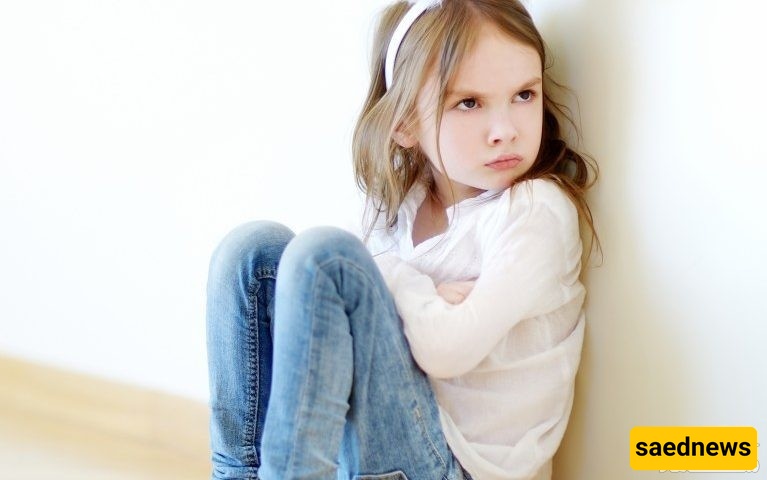
Yes, if such behaviors persist from about 3.5–4 years old for at least 2–3 weeks, depression should be suspected. Irritability and frequent anger are important signs of childhood depression. For example, a child who was previously cheerful may suddenly become easily upset and react aggressively.
During depression, children become more sensitive, quick to tear up, and may cry more often. However, not all crying indicates depression. In depressive episodes, children may cry for minor issues for up to an hour or two. Alongside other symptoms, this may raise concerns for parents. During depression, children may experience a decline in life quality, avoid friends, refrain from group play, and lose interest in daily activities. Parents should not assume that every instance of crying signals depression.
Parents should consult a child psychologist immediately if they notice any of the following signs:
Severe depression, fear, anxiety, or anger toward self or others
Loss of behavioral control
Hearing unreal sounds
Seeing things that are not real
Refusing to eat or sleep for three consecutive days
Worrisome behaviors toward friends, teachers, or parents
Depression cannot resolve on its own and requires professional treatment. Choosing a qualified child psychiatrist can greatly impact recovery. Counseling sessions are usually the first recommended step and can help identify the root causes of depression. The child’s family and environment play a major role in both the development and treatment of depression. Research indicates that counseling is often the most effective initial treatment. If necessary, medication can provide a definitive solution. Combining medication with counseling from an experienced psychologist often yields the best results.
One commonly prescribed medication for childhood depression is Prozac, which is FDA-approved for children aged 8 to 18 and has shown excellent outcomes.