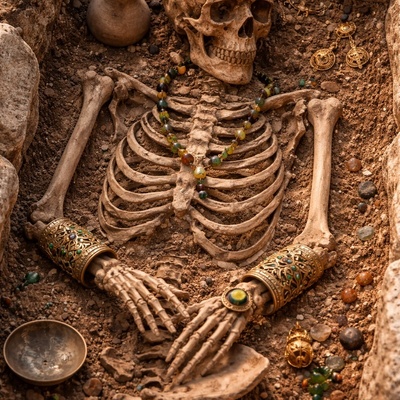
SAEDNEWS: Step Back in Time to When Iran Was the World’s Greatest Empire: Persepolis Reimagined Through AI
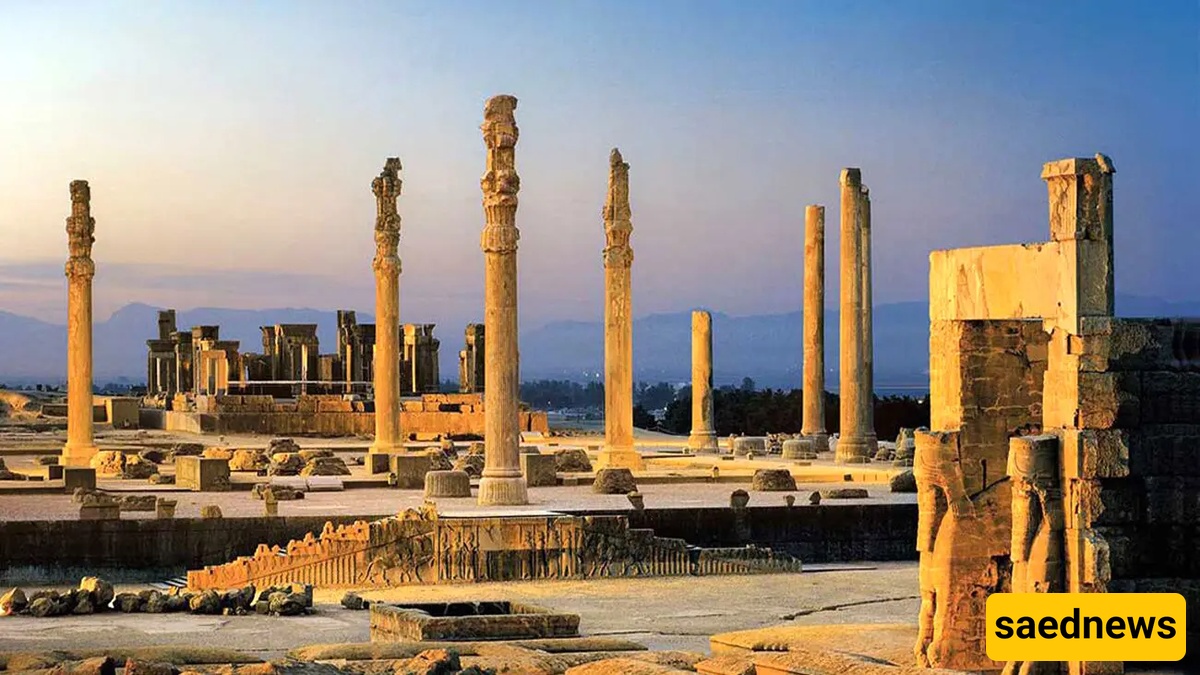
According to the History and Culture Service of SaedNews, Persepolis, the ancient name of the site, served as the ceremonial capital of the Achaemenid Empire. This magnificent city, located near present-day Shiraz, stands as a symbol of Iranian power, grandeur, and civilization in antiquity. Construction of Persepolis began under the orders of Darius the Great and reached its peak during the reigns of Xerxes and Artaxerxes I. The vast complex includes numerous palaces, halls, and historic structures, whose unique architecture and lavish decorations captivate every visitor.
Among its most important sections is the Apadana Palace, renowned for its towering columns and extraordinary bas-reliefs. This palace hosted ceremonial events and receptions for the king’s distinguished guests. Other significant structures include the Tachar Palace, Haddish Palace, and the Gate of All Nations, each holding its own historical and cultural significance. The intricate bas-reliefs of Persepolis, depicting epic stories and historical events, are masterpieces of ancient Iranian art. These reliefs not only offer visual splendor but also provide invaluable insights into the culture, customs, and beliefs of the people of that era.
Throughout history, Persepolis has faced repeated attacks and destruction. In 330 BCE, Alexander the Great invaded Persepolis and set this glorious city ablaze. Despite such devastations, archaeologists have managed to restore parts of this monumental complex, and today, Persepolis remains one of the most important tourist destinations in both Iran and the world.