SAEDNEWS: All parents share a common wish: for their children to be polite. But what are the prerequisites for cultivating politeness in children, and which points should parents pay close attention to? What environmental and behavioral conditions help children develop good manners?
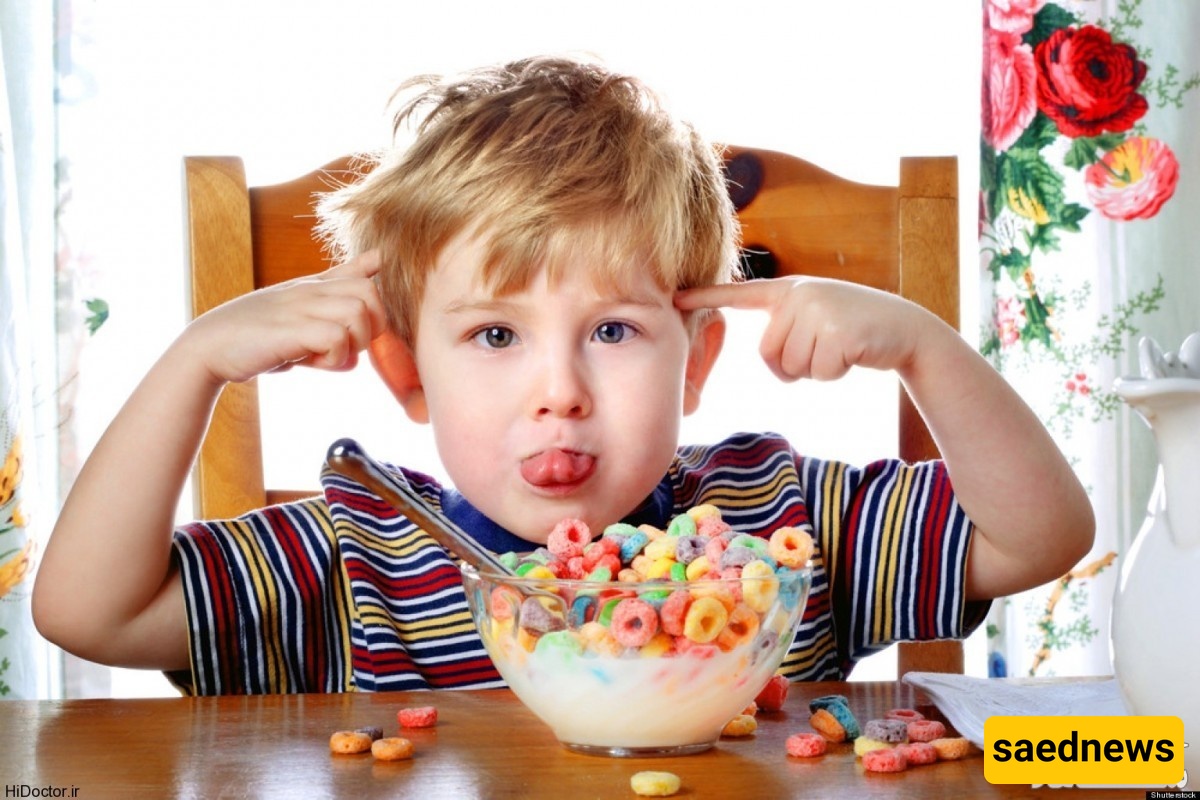
All parents share a common wish: for their children to be polite. But what foundations are necessary for children to develop politeness, and what factors should parents pay attention to? What environmental and behavioral conditions help children become well-mannered?
Some families become so sensitive about their children’s politeness that they swing to extremes, forgetting the child’s age and developmental needs. An eight-year-old, for instance, may not yet understand funeral etiquette—but over time, through your guidance and parenting methods, children learn which behaviors are appropriate in different situations. Politeness is the first step toward developing wisdom and moral character as they grow. Understanding rules and respecting them forms the foundation of good manners.
One reason children swear is exposure to unsuitable environments—from parents, relatives, friends, television, and even kindergartens—that do not support proper upbringing and influence verbal behavior. Another reason is the child’s inability to control anger; swearing becomes a way to express frustration or aggression verbally, similar to hitting or throwing things when upset. Essentially, it reflects a child’s struggle with self-regulation.
Parents are the primary behavioral models for children. Yet many children’s programs are not tailored to specific age groups, and a broad spectrum of children—from toddlers to teens—may watch the same content, sometimes absorbing inappropriate language. Video games, cartoons, kindergartens, and family gatherings can also expose children to unsuitable words. Even movies and series aimed at older audiences may influence children negatively.
A major psychological need for children is attention from caregivers, especially parents. This need intensifies in situations such as the birth of a sibling or family conflicts. If a child realizes swearing fails to capture your attention, it is important to initially ignore minor incidents. If ignoring does not work and swearing recurs, you must address it firmly.
If ignoring or gentle reminders fail and the child uses inappropriate language in a family or social setting, maintain your composure. Remember, others present have likely faced similar situations. Avoid panic or attempting to cover up the behavior. A light acknowledgment such as, “Kids these days pick up all kinds of things and use them without realizing it,” helps normalize the situation. Do not scold or humiliate your child in front of others.
If the child continues swearing despite following these steps, combine positive reinforcement with age-appropriate consequences. Explain to the child that using bad language will lead to a consequence. Consequences should match the child’s age and the persistence of the behavior—for example, sending them to their room for 5–10 minutes or restricting privileges such as favorite TV shows or playtime.
In addition to disciplinary strategies, parents can cultivate respect through everyday practices:
Start with art—after your child draws or creates something, ask where they would like it displayed and how to care for it. This teaches respect for their own efforts.
Discuss with your child which actions are appropriate or inappropriate for their body.
Establish simple household rules together, display them in a visible place, and refer to them when needed.
Include children in social activities—hosting guests, visiting friends, or community outings like senior centers—to model polite behavior.
Explain your own daily routines, like saying greetings or performing religious practices, as examples of polite conduct.
Politeness is learned gradually through example, guidance, and consistent practice. By fostering respect, attention to effort, and clear boundaries, parents can help children develop both good manners and emotional self-control.