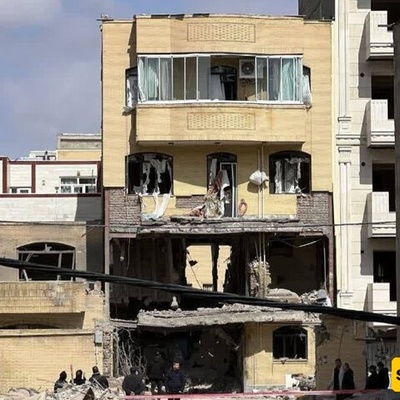
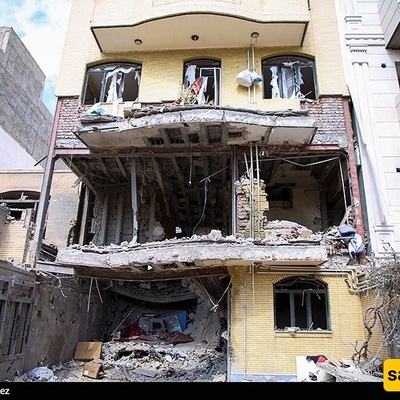
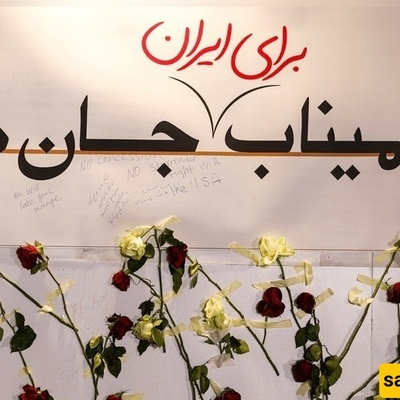
SAEDNEWS: The house of “Habib Agha” in the Zafaranieh neighborhood of Tabriz has turned into collapsed walls that now stand as a living museum and a clear document of the war crimes of the American‑Zionist enemy.
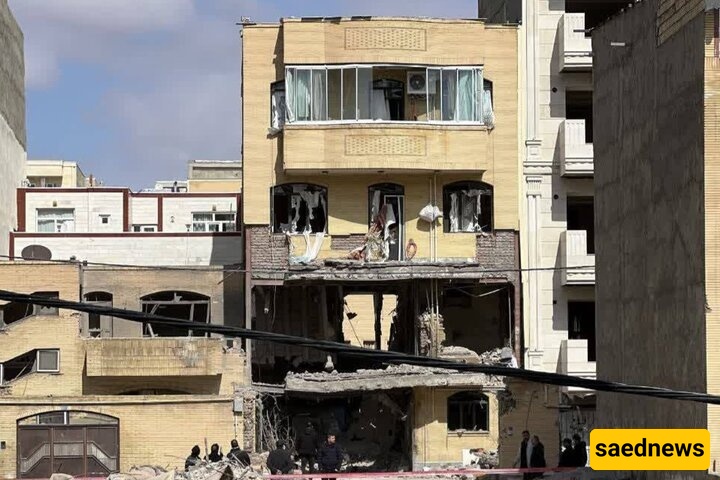
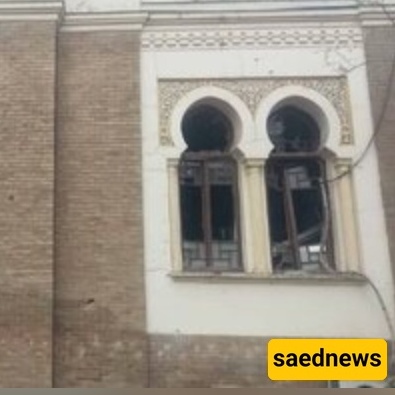
According to SAEDNEWS, the Zafaranieh neighborhood of Tabriz is these days mourning “Habib Agha,” a well‑known barber, and his two children, “Mahan” and “Mahoor.” The house that was once the warm center of this family’s life has now been reduced to ruins—ruins that residents describe as a visible document and a museum of the crimes of the Zionist regime and the United States.
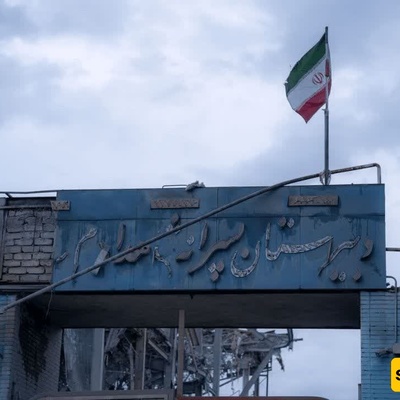
More than a week has passed, yet the smell of explosives can still be sensed in the alley. The remains of the three‑story building where Habib Agha lived are visible from afar. Every hour large groups of neighbors and citizens gather in front of the wreckage, gazing at it with tearful eyes and whispering, “For what crime?”
One passerby, with tears in his eyes, said: “For several days now I’ve been passing through this street on purpose. Every time I see the ruins of this house, my sorrow returns. This was the home of Habib Agha, the barber—a kind and friendly man who always greeted the day with a smile and helped everyone. I don’t know why we had to lose him like this.”
Habib Agha, who once used the skill of his hands to bring beauty to the faces of people in the city, has now become the victim of what residents describe as unjustified violence. People in the neighborhood speak with deep sorrow about the permanent closure of his shop, often repeating the phrase: “Mahan Barber Shop is closed forever.”
The incident dates back to the early hours of March 10. At the same moment the call to morning prayer echoed through the city, a powerful explosion shattered the silence of Tabriz. In what the report describes as a Zionist‑American act of aggression, Habib Agha and his two children were killed, while his wife was injured.
A passerby, speaking through tears, recalled Habib Agha’s kindness and warmth, saying that every time he sees the ruins, his grief is renewed.
A woman from the neighborhood remembered the days when Mahan and Mahoor played in the alley. She spoke with deep sorrow about the children’s mother, describing the weight of the tragedy she now carries.
One of Habib Agha’s longtime customers also pointed to the shop sign that bore the name of his eldest son, “Mahan,” saying with regret that the smiles and services that once filled the place are gone forever.
From dawn until late into the night, grieving citizens continue to visit the alley. The building is no longer merely a destroyed structure—it has become a living narrative of the مظلومیت of innocent people and a clear record of the crimes of their enemies, a memory that will remain forever etched in the historical consciousness of the people of Tabriz.