SAEDNEWS: Are your elephant ear (Alocasia) leaves turning yellow or not growing? This guide covers essential care tips including light, watering, humidity, soil, and fertilizing to help keep your plant healthy and thriving at home.
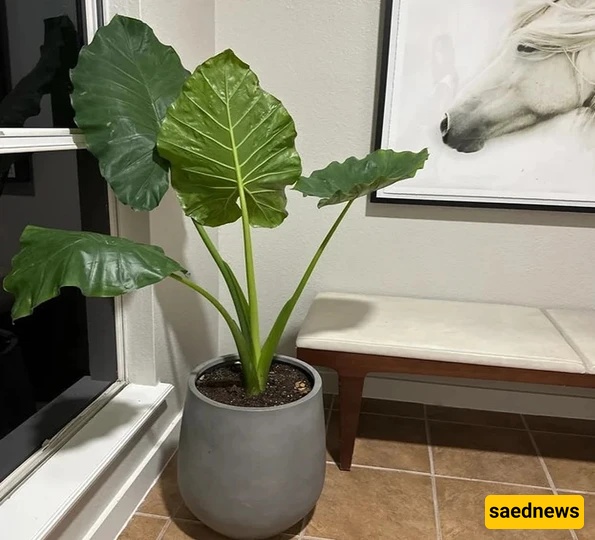
According to Saed News’ home care section, the “Baba Adam” flower, scientifically known as Alocasia, is one of the most striking houseplants. With its large, heart-shaped leaves and strong stems, it brings a tropical rainforest feel into your home. Also known as the “Elephant Ear” plant, it symbolizes grandeur in nature. While highly beautiful, it is also sensitive and requires proper care—small mistakes can lead to yellowing leaves, stunted growth, or even plant loss.
This guide walks you through everything you need to know to successfully care for Alocasia at home, based on reliable gardening principles. From lighting and watering to humidity and soil mix, you’ll learn how to keep your plant healthy and thriving.
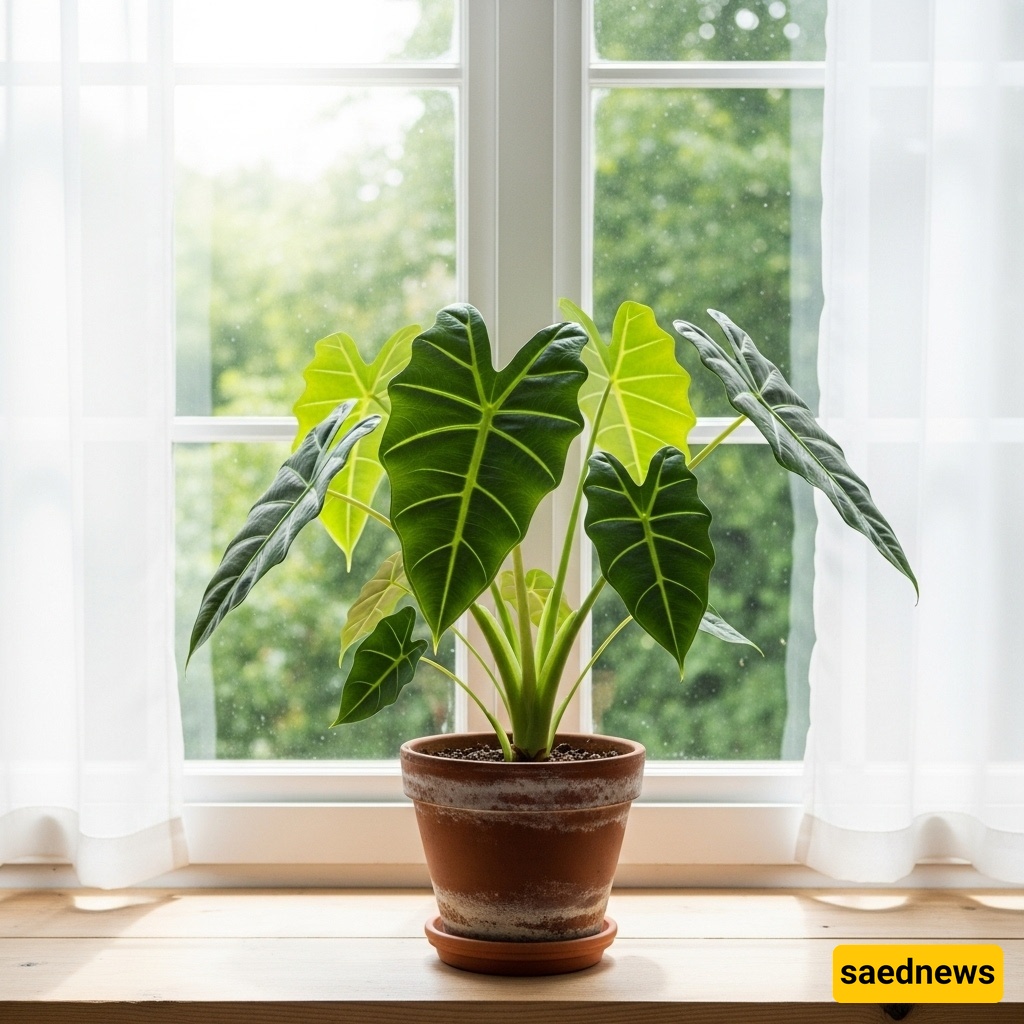
One of the most important and sensitive factors in Alocasia care is light. In its natural habitat, it grows under the canopy of tropical forests, meaning it prefers bright but indirect light.
Direct sunlight, especially during hot midday hours, can burn the leaves, causing brown spots and damage. The sun acts like a magnifying glass, quickly harming the delicate foliage.
Best placement:
Near a north- or east-facing window with soft morning light
If placed near south or west windows, keep it a few meters away or use a sheer curtain to filter sunlight
Signs of insufficient light:
Long, weak stems
Small or pale new leaves
Leaning growth toward light sources
Rotating the pot weekly helps maintain balanced growth and shape.
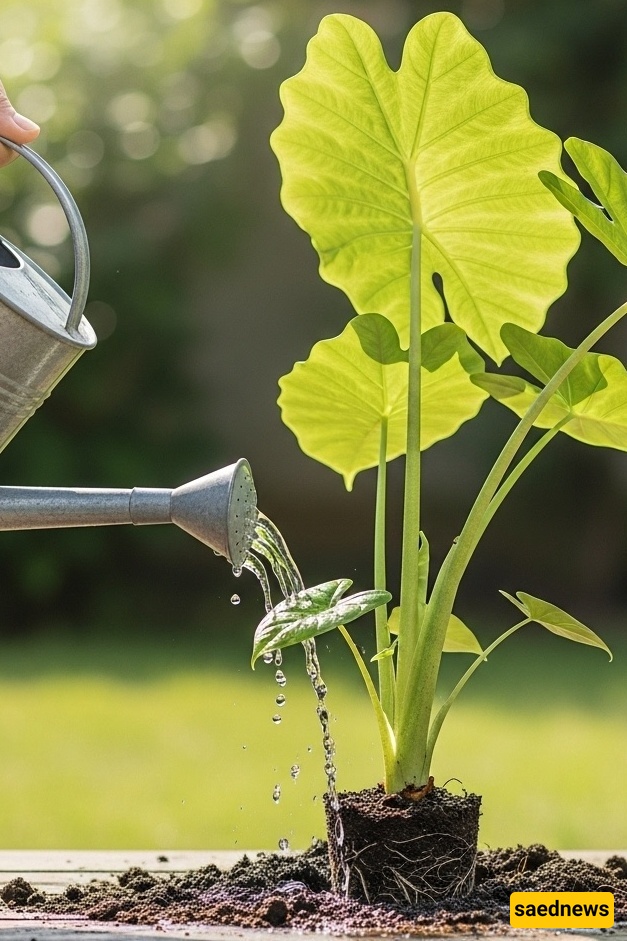
Incorrect watering is the most common reason Alocasia plants fail. The soil should always remain slightly moist, not waterlogged.
Overwatering leads to root rot, yellowing lower leaves, and plant collapse
Underwatering causes curling, drying leaf edges, and slow growth
How to water correctly:
Check the top 2–4 cm of soil
If dry, water thoroughly until excess drains out
Always empty the saucer after watering
Water more frequently in spring and summer (growth season), and reduce watering in fall and winter when the plant enters dormancy.
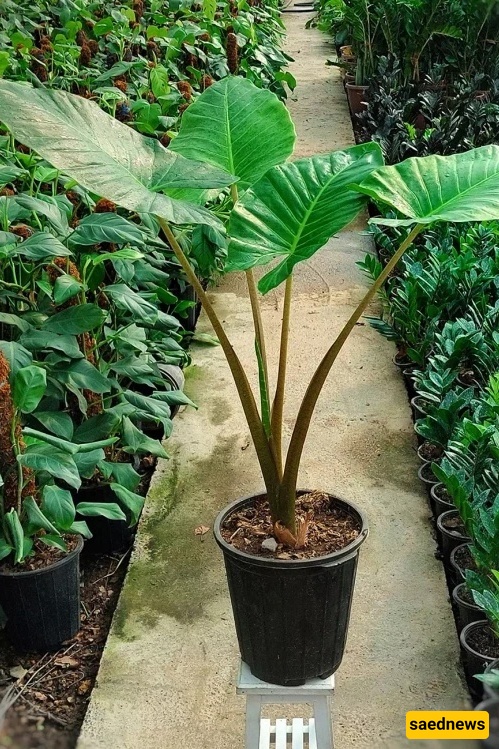
Alocasia thrives in high humidity, similar to its rainforest origin. Dry indoor air—especially in winter due to heating systems—can damage the plant.
Low humidity symptoms:
Dry leaf tips and edges
Brittle leaves
Increased risk of spider mites
Ways to increase humidity:
Use a cool-mist humidifier near the plant
Create a pebble tray: place stones in a tray, add water, and set the pot on top (without direct water contact)
Light misting on leaves (avoid leaving water droplets for long periods to prevent fungal spots)
Alocasia requires light, nutrient-rich, and well-draining soil. Heavy soil retains too much water, blocking oxygen and causing root rot.
Ideal soil mix:
Peat moss
Perlite (for drainage and aeration)
Coco peat or compost
You may also use high-quality indoor plant soil mixed with extra perlite.
Pot requirements:
Must have drainage holes
Repot every 1–2 years in spring
Choose a pot only slightly larger than the previous one (about 5 cm wider) to avoid stress and root rot
Although Alocasia (Elephant Ear plant) may seem demanding, it becomes easy to care for once its basic needs are understood. The key is replicating its natural tropical environment:
Bright, indirect light
Consistently moist but well-drained soil
High humidity
Light, airy growing medium
By observing its leaves and growth patterns, you can adjust care and keep the plant thriving. With patience and attention, Alocasia becomes a stunning, lush centerpiece in any home.