SAEDNEWS: Iran’s Minister of Cultural Heritage, Tourism and Handicrafts, Seyyed Reza Salehi-Amiri, announced during Sunday’s cabinet meeting that approximately 4,000 historical sites and buildings across the country are under threat due to land subsidence.
According to SAEDNEWS, the affected sites include historical monuments, museums, ancient villages, and tourist areas. Salehi Amiri described land subsidence as a “silent earthquake” that is steadily damaging these valuable cultural assets.
“Land subsidence is posing a serious and growing risk to our heritage,” he stated, emphasizing the urgent need for monitoring and protective measures. He warned that without immediate intervention, irreparable harm could come to some of the nation’s most treasured historical locations.
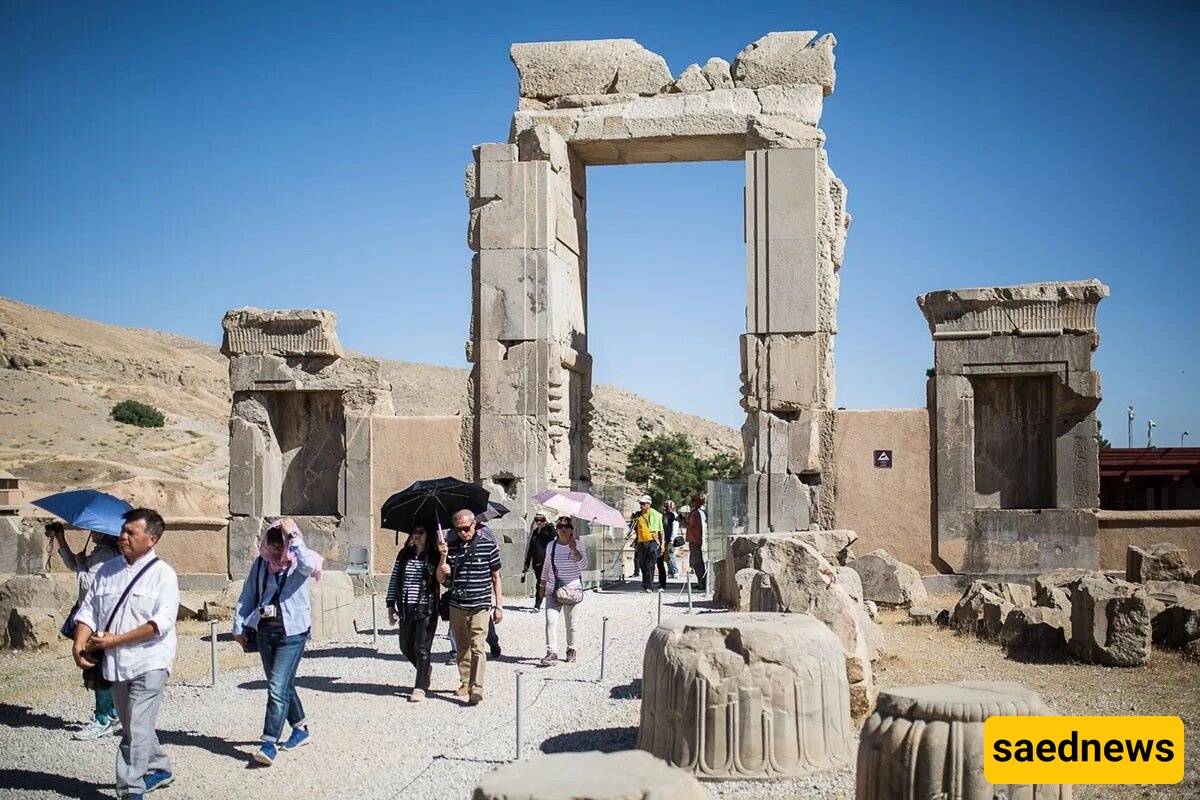
So far, a number of experts and cultural heritage enthusiasts have highlighted that the phenomenon is already causing structural damage in several areas, including the ancient city of Isfahan and the UNESCO-registered Persepolis, and called for inter-agency cooperation to mitigate further risks.
Based on available data, Isfahan has the highest risk of land subsidence in the country, and in terms of the number of cities and the amount of worn-out fabric, it ranks first in the zoning of subsidence.
Sources say that subsidence in Isfahan is moving at a crazy speed; now, after the penetration of this phenomenon into the residential structures, facilities, and basic infrastructures, it has reached the thresholds of some historical monuments.
As an example, Mehdi Zare, a senior professor at the International Institute of Earthquake Engineering and Seismology, has raised alarms over accelerating land subsidence near two of Iran’s most iconic archaeological sites – Naqsh-e Rostam, the necropolis of the Achaemenid kings, and Persepolis, the UNESCO-registered ceremonial capital of the Achaemenid Empire – as unsustainable agricultural practices continue in the fertile plains of Fars province.
Speaking during a recent expert panel on climate change and cultural heritage held at the Research Institute of Cultural Heritage and Tourism (RICHT) late in May, Zare warned that the rate of subsidence in the Marvdasht region, where the Achaemenid treasures are located, has reached between 20 to 30 centimeters annually.
“This phenomenon not only threatens Iran’s invaluable cultural heritage but may also have implications for the activation of regional fault lines,” he said.
Zare called for urgent measures to control unregulated groundwater extraction and to revise agricultural policies that are exacerbating the crisis. “Overdrawing groundwater beyond recharge levels is unsustainable and dangerous,” he emphasized.