SAEDNEWS: China and Its Attractions: Discovering China’s Ancient Historical Sites
According to Saednews, Shanghai and Beijing are among the most attractive cities in China for expatriates. According to a survey of 180,000 foreign workers in China, these cities appeal to expatriates because of their political, administrative, professional, and lifestyle opportunities. Shenzhen, Suzhou, Kunming, Hangzhou, Nanjing, Tianjin, Xiamen, and Qingdao also feature among the cities favored by foreign residents.
Shanghai and Beijing occupy the top two positions among cities favored by expatriates, although both continue to face air quality challenges.
Shanghai is the largest and most populous city in China and a major center of economic, cultural, commercial, and technological activity in the country’s east. Its famous landmarks include the Bund, the City God Temple, and Yu Garden. The city’s historic attractions stand alongside striking modern skyscrapers, making Shanghai a popular destination for international travelers. It is also one of China’s principal financial and commercial hubs.
Beijing, China’s capital, is one of the world’s most populous cities and the country’s second-largest city after Shanghai. Once home to generations of emperors, Beijing is rich in history and cultural heritage. Major attractions include the Summer Palace, the Forbidden City, the National Centre for the Performing Arts, and Beijing National Stadium.
As one of China’s most developed cities, Beijing also plays a major role in international commerce. The city hosted the Summer Olympic and Paralympic Games in 2008.
Beyond these famous metropolitan destinations, China offers extraordinary landscapes, historic sites, and cultural experiences that many travelers overlook. Here are ten remarkable places worth exploring.
Dark tourism has attracted growing interest worldwide, with visitors traveling to places associated with tragic historical events, including the Cambodian killing fields and Hiroshima.
In China, the Nanjing Massacre Memorial Hall commemorates the atrocities committed by Japanese forces during the occupation of Nanjing in 1937. Over a period of approximately six weeks, large numbers of Chinese civilians and disarmed soldiers were murdered, while many others were subjected to torture and sexual violence. Historical estimates of the death toll vary, with commonly cited figures reaching approximately 200,000 to 300,000.
Today, the memorial preserves the memory of the victims through photographs, sculptures, historical exhibits, and testimonies from survivors. It offers visitors an opportunity to reflect on the human cost of war and the importance of remembering history.
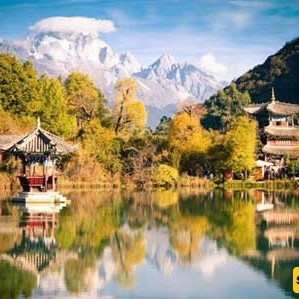
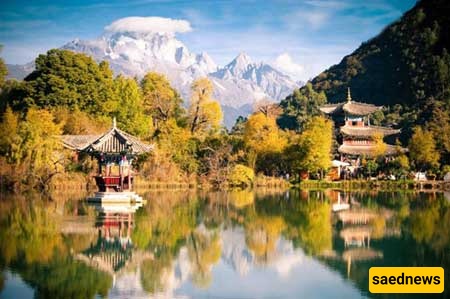
Often compared to Venice, Lijiang combines a modern urban area with a beautifully preserved historic district. Old Town Lijiang features winding canals, stone bridges, traditional Chinese architecture, and a distinctive local culture.
Its historic streets offer a glimpse into traditions and architectural styles that have become less common in China’s rapidly modernizing cities. The area is particularly appealing to travelers interested in heritage, photography, and cultural exploration.
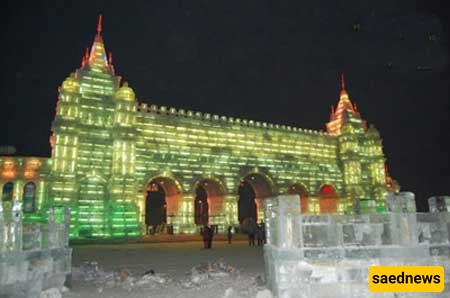
Harbin, in northeastern China, is famous for its exceptionally cold winters and spectacular annual ice and snow festival. Temperatures can fall to around −40°C during the winter season, creating ideal conditions for elaborate ice sculptures and snow installations.
Artists and teams from around the world create enormous sculptures inspired by buildings, people, landscapes, and imaginative designs. Visitors can admire illuminated ice structures and participate in winter activities, including ice-related sports.
The festival is widely recognized as one of the world’s major winter celebrations and attracts visitors from across China and abroad.
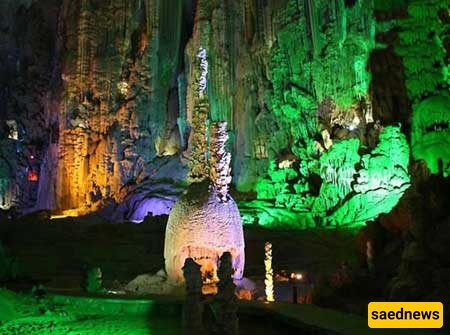
Zhijin Cave is an impressive cave system known for its vast chambers, unusual rock formations, and underground scenery. Some sections cover extensive areas, while the ceilings of its largest chambers rise dramatically above the cave floor.
Although the water that originally shaped the cave has changed its course over time, underground streams continue to influence parts of this remarkable geological landscape.
For travelers fascinated by geology and natural wonders, Zhijin Cave offers a striking alternative to China’s better-known outdoor attractions.
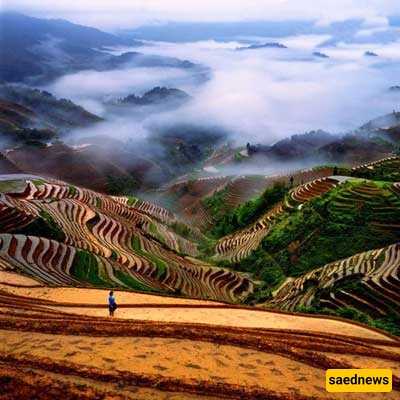
Guilin is renowned for its distinctive scenery, where lush vegetation, winding waterways, and dramatic limestone hills create one of southern China’s most recognizable landscapes. Situated near the Li River, the city has long attracted travelers seeking natural beauty and traditional Chinese culture.
Notable attractions include Elephant Trunk Hill, the Peach Blossom River area, and Gudong Waterfall. River cruises and excursions into the surrounding countryside offer opportunities to appreciate the region’s unusual rock formations and peaceful scenery.
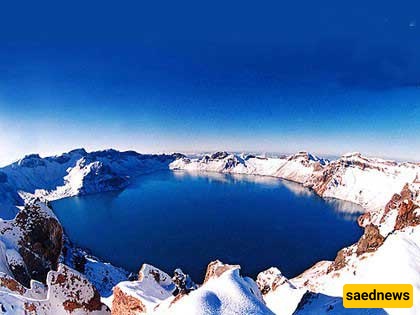
Changbai Mountain is a striking volcanic region known for its mountain scenery, forests, and diverse wildlife. Heaven Lake, a crater lake formed within the volcanic landscape, is one of its most famous natural attractions.
The surrounding protected areas feature forests, hot springs, and habitats supporting a variety of wildlife, including deer and bears. The region is particularly appealing to nature lovers, hikers, and visitors interested in China’s mountain ecosystems.
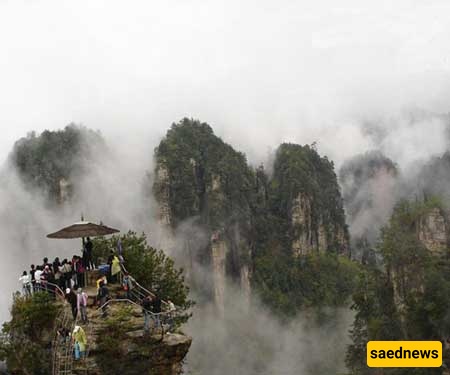
China’s mountain landscapes are among its most extraordinary natural attractions, and Sanqingshan and Zhangjiajie offer two distinctive experiences.
Zhangjiajie National Forest Park is famous for its towering sandstone pillars, dense vegetation, and dramatic views. Its unusual formations helped inspire the floating-mountain landscapes depicted in the film Avatar. Some pillars rise hundreds of meters above the surrounding valleys, creating an almost otherworldly setting.
Sanqingshan National Park is equally remarkable for its granite peaks, forested slopes, unusual rock formations, and rich plant and animal life. Walking trails and viewpoints allow visitors to explore the scenery from different perspectives.
Together, these destinations showcase the extraordinary diversity of China’s mountainous terrain.

Hainan, China’s southernmost island province, offers a tropical atmosphere quite different from the country’s northern cities. Its sandy beaches, lush forests, and warm climate make it a popular destination for relaxation and outdoor activities.
The island is known for its coastal resorts, seafood restaurants, and opportunities to enjoy swimming and sunbathing. Visitors can also explore Monkey Island, observe local wildlife, and sample freshly prepared seafood.
For travelers looking to combine natural scenery with a beach holiday, Hainan provides a refreshing contrast to China’s historic cities and mountain regions.
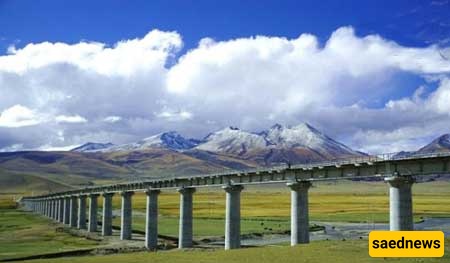
The Qinghai–Tibet Railway is one of the world’s most remarkable high-altitude railways, connecting regions of western China with Tibet. Its engineering includes measures designed to accommodate the challenges of high elevations and low-oxygen conditions.
The railway stretches for approximately 1,956 kilometers, with sections reaching elevations of around 4,000 meters or more. Trains pass through remote grasslands, mountain ranges, rivers, and vast open landscapes.
The journey offers travelers a unique way to experience the scale and beauty of the Tibetan Plateau. The Beijing–Lhasa route also provides access to a remarkable cross-country rail adventure, although journey times, fares, and service arrangements vary.
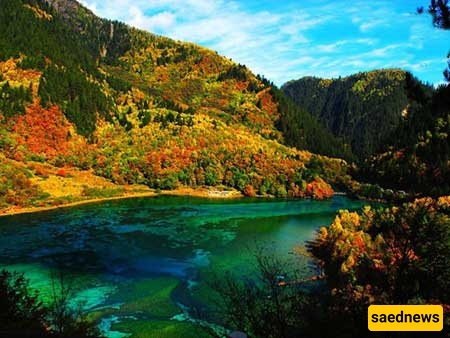
Jiuzhaigou National Park is celebrated for its turquoise lakes, cascading waterfalls, forested mountains, and Tibetan villages. Its name refers to the nine villages traditionally associated with the valley.
The park’s vivid waters, changing seasonal colors, and rich wildlife create scenery that can seem almost unreal. Several villages continue to have resident communities, adding a cultural dimension to the natural landscape.
Exploring the park’s major valleys and scenic areas can take several days, making it an excellent destination for travelers who want to experience China’s natural beauty at a relaxed pace.

China offers far more than its world-famous landmarks, such as the Great Wall, Tiananmen Square, and the Forbidden City. From Shanghai’s modern skyline and Lijiang’s historic streets to Zhangjiajie’s towering rock formations and Jiuzhaigou’s colorful lakes, the country presents an extraordinary range of cultural and natural attractions.
Whether you are interested in history, architecture, mountain adventures, tropical beaches, or scenic rail journeys, these ten destinations reveal a different side of China and offer plenty of inspiration for your next trip.