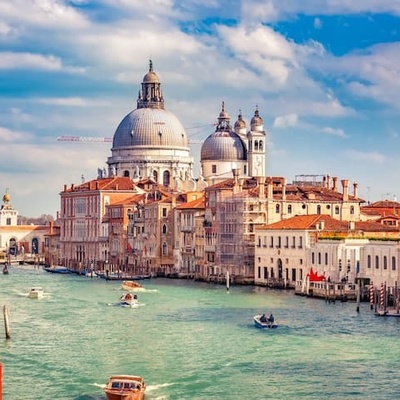
SAEDNEWS: Venice Travel Guide: Weather, Attractions, Shopping, Hotels, Travel Costs, and Things to Do in Venice, Italy
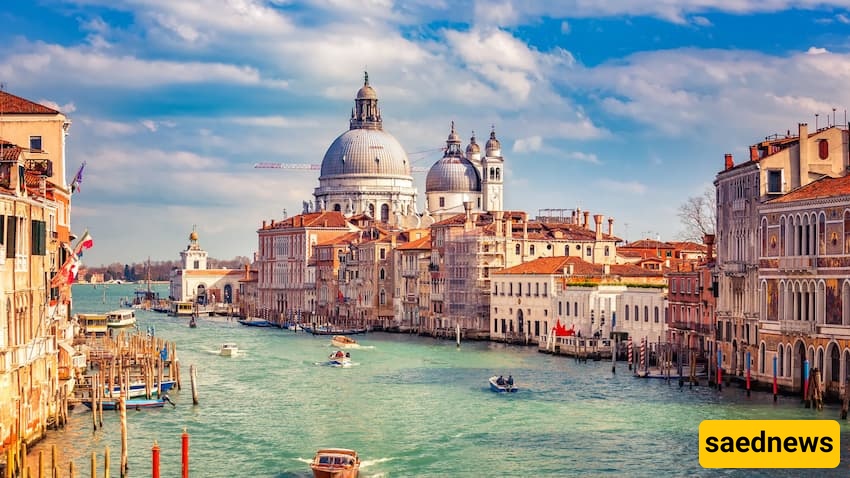
According to Saednews, Venice, the beautiful and historic city in northern Italy, is the largest city in Europe without cars and trucks.
Venice is famous as the City of Canals and is the capital of the Veneto region. Located in northeastern Italy, in the Adriatic Sea, Venice consists of numerous small islands separated by canals. Boats are the primary means of transportation throughout much of the city.
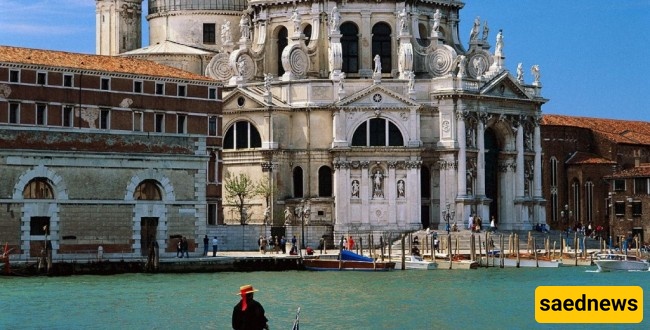
Venice is one of the world's most popular tourist destinations, attracting millions of visitors every year. Among its most famous attractions is St. Mark's Square, home to landmarks associated with Saint Mark, one of the four Evangelists of Jesus Christ.
The entire city is a remarkable sight, unlike anywhere else in the world. One of the best ways to explore Venice is on foot.
St. Mark's Square is one of Venice's most famous landmarks. Anyone wishing to understand the city's former rulers and imperial history should visit this historic square.
Surrounding the square are St. Mark's Basilica, decorated with remarkable treasures, and the Doge's Palace, known for its magnificent state rooms and impressive architecture. The square also features the famous clock tower and the bell tower, which offers spectacular views of Venice.
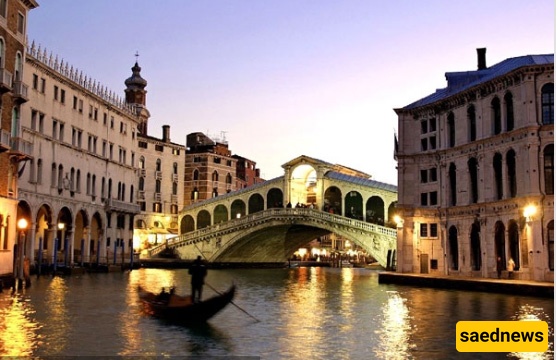
Ca' Rezzonico was built in the eighteenth century and is one of the city's most beautiful historic palaces. Located in the Dorsoduro district, it provides insight into Venice's artistic and cultural heritage.
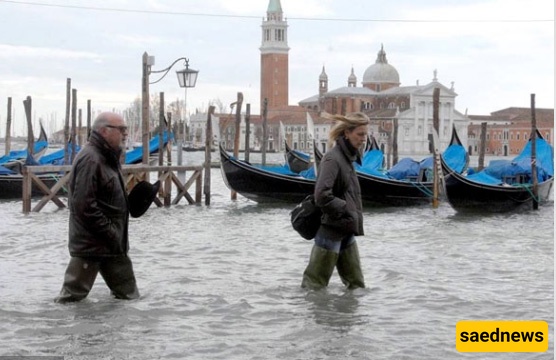
Ca' Pesaro is a museum of modern art housed in an old Venetian palace. Its collection includes fascinating works of art, particularly in its Eastern art department.
Address: Fondamenta Pesaro, Santa Croce 2070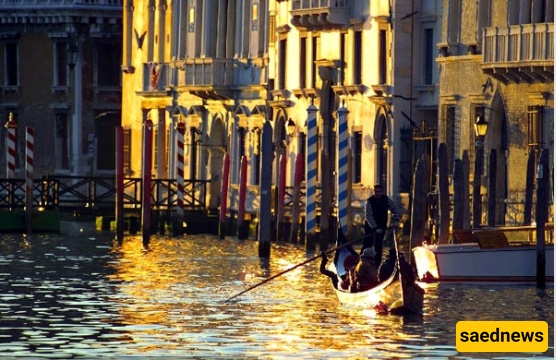
The Rialto Fish Market is worth visiting during the week. Fishmongers, lively market scenes, historic architecture, and picturesque canals combine to create a memorable experience. Some of the city's best butcher shops can also be found nearby.
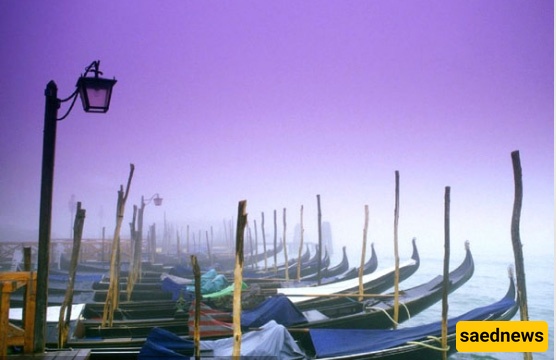
If your stay in Venice is short and you are unfamiliar with the city, it is best to buy something as soon as you find a shop you like. There is no guarantee that you will come across the same store again.
Contrary to what some visitors might expect, Venice has plenty of designer boutiques and international fashion brands. Like other major Italian cities, it offers a wide selection of luxury clothing and accessories.
The streets around St. Mark's Square are lined with well-known brands, including Gucci, Prada, Armani, and Versace.
The area around Calle della Mandola and Campo Santo Stefano also features charming boutiques. Although some of these shops may be less famous, they offer unique and attractive items, including clothing, shoes, handbags, and accessories.
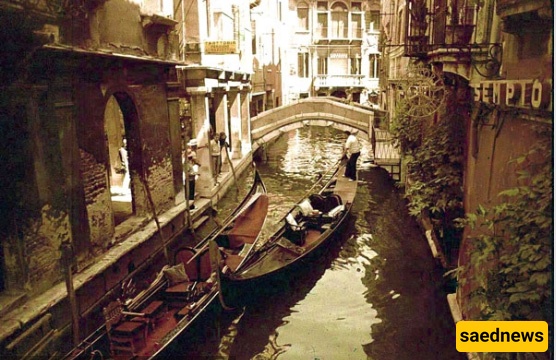
Venice is served by an international airport named Marco Polo Airport, in honor of the famous Venetian explorer.
The airport is approximately 20 kilometers from the city center and serves as the main gateway to Venice.
Visitors arriving by car generally leave their vehicles in one of the large parking facilities near the city, as most of the historic center is inaccessible to ordinary cars. Parking fees vary depending on the facility and duration of stay.
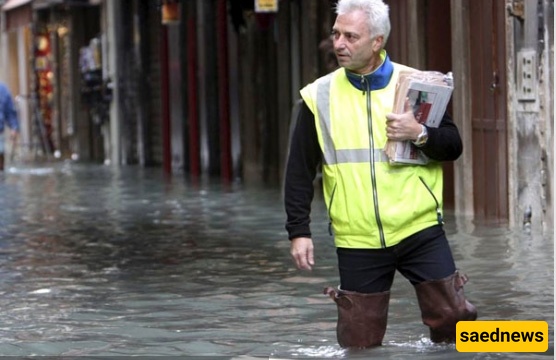
Venice is world-famous for its canals. Approximately 150 canals connect its 118 islands, which are linked by around 400 bridges.
In the historic center, canals function much like streets in other cities. Water taxis and water buses transport residents and visitors between different parts of Venice.
Venice is one of Europe's largest urban areas without conventional car traffic. Much of the northern and historic parts of the city have preserved their traditional character, and people travel either on foot or by boat.
The city's public transportation network includes numerous water-bus routes.
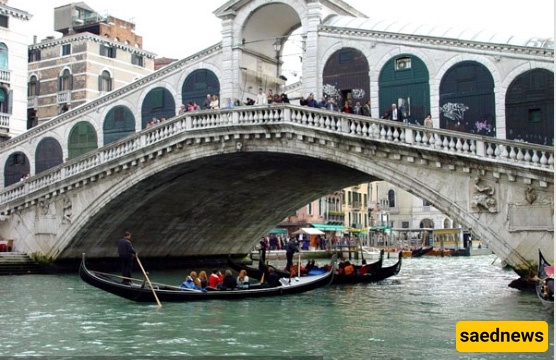
The traditional Venetian gondola is now used mainly for sightseeing, weddings, and special celebrations.
Most residents rely on water buses for everyday transportation. Venice also has many private boats, which serve a role similar to private cars in other cities.
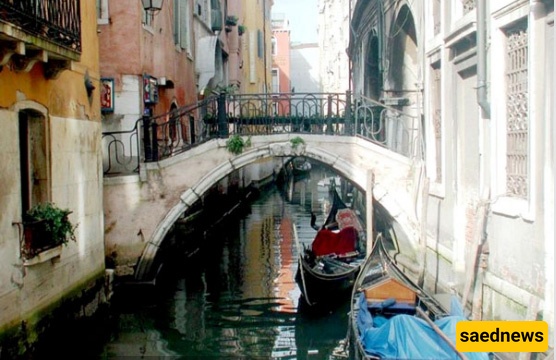
According to historical accounts, the earliest inhabitants of Venice came from Roman settlements such as Padua, Aquileia, and Concordia. They moved to the islands to pursue fishing and other livelihoods.
From the fourteenth century onward, Venice became an important center for professional sailors and gradually gained a reputation for its powerful navy.
During emergencies, men between the ages of 18 and 60 could be called into military service and given military training.
For example, in 1338, approximately 30,000 Venetian men reportedly received military training to prepare for the city's defense. Many subsequently lost their lives in battles.
From the fifteenth century onward, Venice gradually developed into a major commercial port. By 1450, more than 3,000 merchant ships were reportedly owned by Venetian merchants or operating through the city.
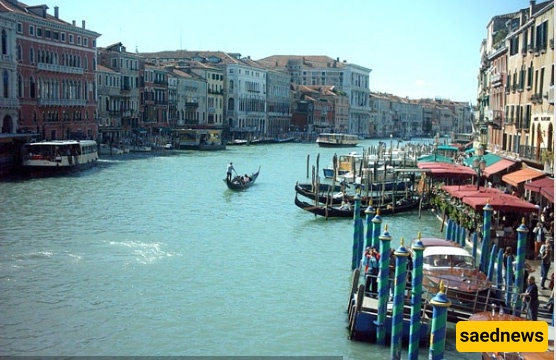
Venice remained an independent republic until 1797. After approximately 1,070 years of independence, the republic lost its sovereignty when Napoleon Bonaparte conquered the city on May 12, 1797.
In October of that year, under a treaty between Napoleon and Austria, control of Venice passed to the Austrians.
In 1805, another treaty made Venice part of Napoleon's Kingdom of Italy. Following Napoleon's defeat in 1814, Austria regained control of the city.
In 1866, after seven weeks of bloody conflict, Venice became part of the Kingdom of Italy.
During periods of occupation, many historic buildings and monuments were damaged or destroyed. Nevertheless, Venice gradually recovered during the second half of the nineteenth century and developed into an attractive destination for travelers.
During World War II, Venice was among the Italian cities that largely escaped the destruction suffered elsewhere, allowing much of its historic urban fabric to survive.
Today, Venice retains an extraordinary collection of artistic and architectural treasures dating from the nineteenth and early twentieth centuries, alongside its much older monuments.
Venice is a major tourist destination, and tourism has historically accounted for a substantial share of the city's income. Visitors support its hotels, restaurants, shops, transportation services, and cultural attractions.
Venice was developed over many centuries on a group of 118 small islands near the Adriatic Sea in northeastern Italy. These islands are connected by approximately 400 bridges.
In the second century AD, people from parts of northern Italy moved toward the lagoon islands to escape repeated invasions by Germanic tribes. Over the centuries, these settlements developed into the beautiful and distinctive city known today.
Venice is now considered one of the world's architectural and urban-planning masterpieces. Often called the City of Canals, it is a dream destination for travelers from around the world.
Many historic Venetian buildings stand on wooden foundations. Timber piles were driven into the soft ground beneath the lagoon to support the structures above.
Under suitable underwater conditions, where oxygen exposure is limited, wood can remain preserved for centuries. This traditional construction method helped make it possible to build a city on the lagoon's unstable ground.
Venice's historic palaces, beautiful architecture, waterways, and traditional gondolas give the city its distinctive appearance. Gondolas, once a practical means of transportation, are now mainly associated with tourism and Venetian traditions.
The famous Venice Carnival, with its elaborate masks and costumes, adds another layer of charm to the city. Venice continues to attract millions of visitors every year who come to experience its extraordinary combination of history, culture, and scenery.
Venice stands apart from other major European cities because much of its historic center is designed around waterways rather than roads.
Its bridges, narrow pedestrian streets, canals, traditional boats, historic palaces, and remarkable cultural heritage make it one of the most distinctive destinations in the world.
For travelers seeking a unique European experience, Venice offers an unforgettable journey through history, architecture, and life on the water.