SAEDNEWS: Istanbul Tourism, Top Attractions, Sightseeing Spots, Tourist Destinations in Turkey, Transportation in Istanbul, Shopping Centers, and Souvenirs
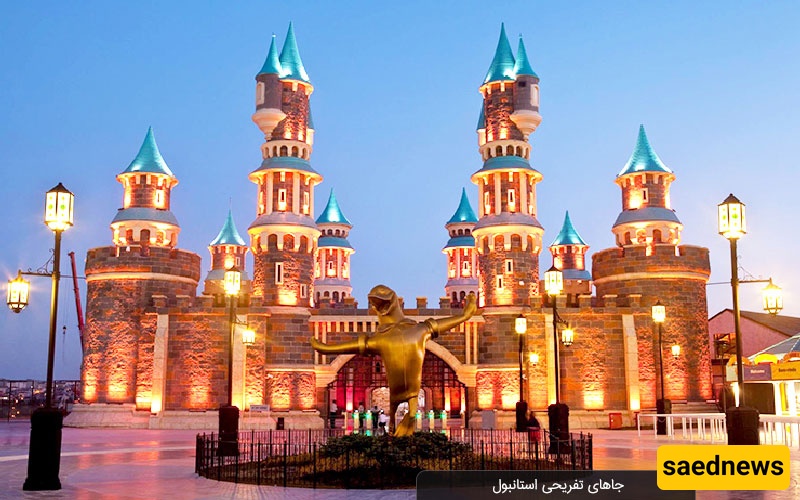
According to Saednews, Istanbul is not far from Iran in terms of distance, and many Iranians would love to visit one of their western neighbor’s most important cities.
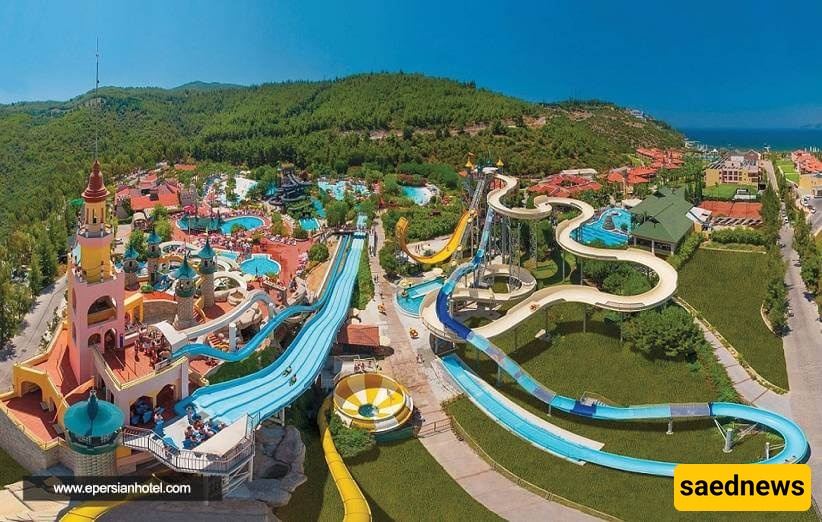
Istanbul, Turkey, is the only city in the world situated on two continents, Asia and Europe, and is considered Turkey’s lifeline.
The city is divided into two parts: the Asian side, known for its Asian architectural influences, and the European side, which is particularly beautiful and full of attractions.
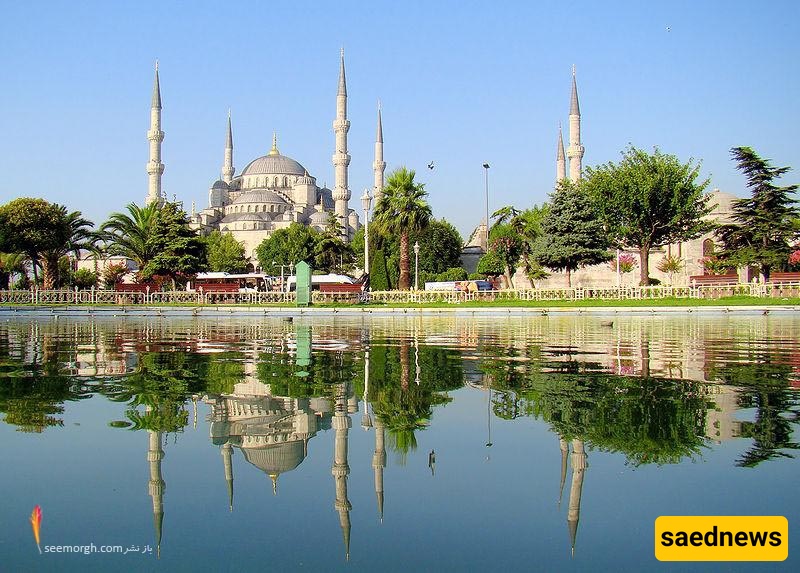
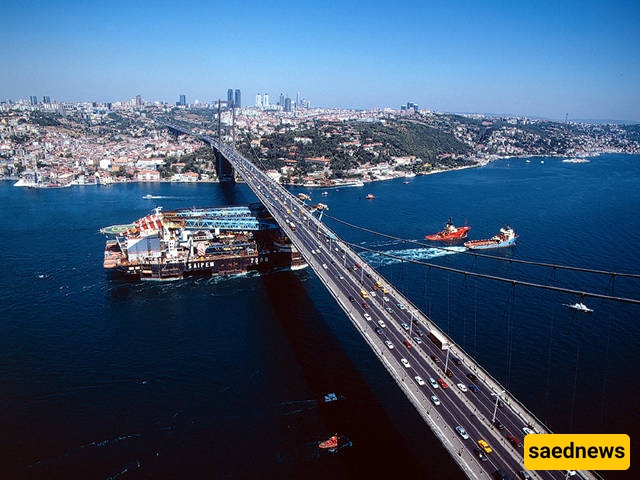
Istanbul is located along the Bosphorus Strait and the Sea of Marmara. The Bosphorus separates the continents of Asia and Europe. The city is also home to the natural harbor known as the Golden Horn.
Late spring and early autumn are ideal times to visit, offering sunny days and warm weather. In midsummer, the climate becomes very hot and humid.
From late December through March, cold winds blow in from the Black Sea, and fog and occasional snowfall can cover the city. However, prices are generally lower during this period.
Today, Istanbul is Turkey’s industrial center, with many of the country’s major manufacturing facilities and production operations concentrated in the city.
Istanbul and the surrounding provinces produce cotton, fruit, olive oil, silk, and tobacco. Important industrial products include processed foods, textiles, oil-based products, rubber and metal goods, leather, chemicals, electronics, glass, machinery, paper, and paper products.
Tourism is another major pillar of Istanbul’s economy. The city has thousands of hotels and numerous tourism-related businesses that provide professional services to visitors from around the world.
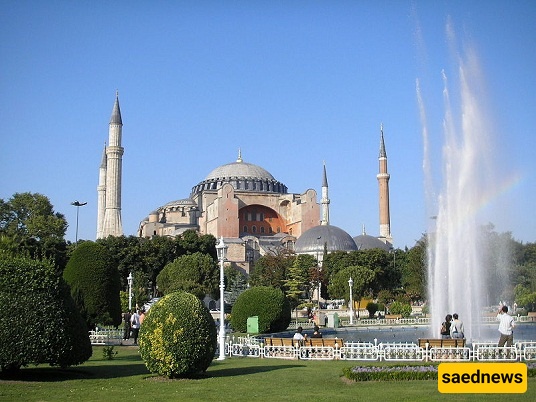
Hagia Sophia, also known as Ayasofya, was originally an Eastern Christian church built during the Byzantine Empire. The original structure was reportedly constructed in 532 AD under the orders of Emperor Constantine I and later renovated and restored in the sixth century under Justinian I.
Two architects, Isidore of Miletus and Anthemius of Tralles, were commissioned to rebuild the structure. The project was completed in five years with the work of 10,000 laborers under the supervision of 100 master craftsmen. The building was inaugurated on December 27, 537, and was initially known as the Great Church.
Following the conquest of Constantinople, Sultan Mehmed II ordered Hagia Sophia to be converted into a mosque. Suleiman I ordered its paintings and decorative artwork to be covered so that Friday prayers could be held there.
Sultan Selim II commissioned the renowned architect Mimar Sinan to restore the building. During the reign of Murad III, minarets, a pulpit, and a mihrab were added. Under Murad IV, Quranic verses written by Mustafa Çelebi were inscribed on the walls and ceilings.
After the establishment of the Turkish Republic and the rise of Mustafa Kemal Atatürk, Hagia Sophia was converted into a museum, where it remained for many years.
The building’s large dome rises approximately 55 meters above the ground and measures 31 meters in diameter. It is supported by four main pillars and reinforced by 40 large buttresses.
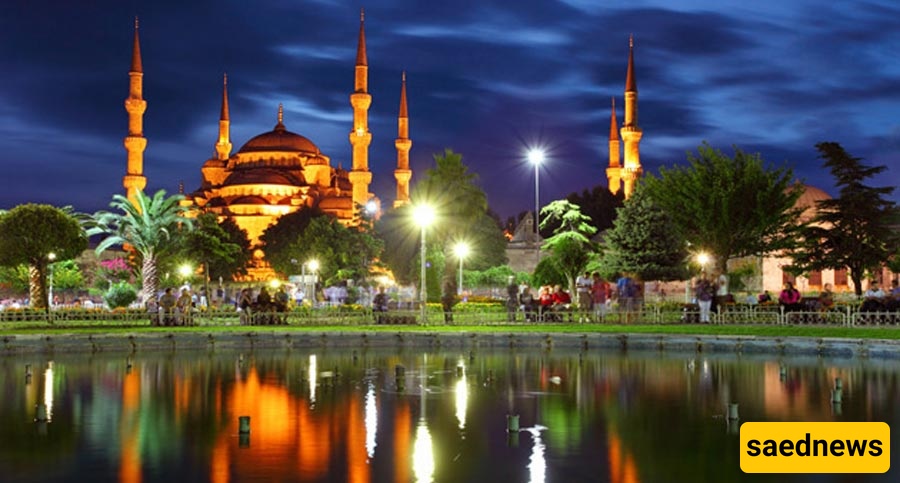
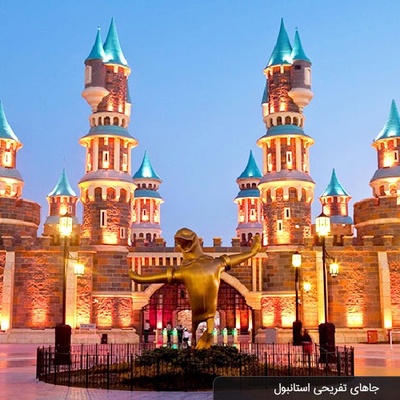
Miniatürk is a miniature park covering approximately 60,000 square meters. It includes 15,000 square meters of space for miniature models, 40,000 square meters of open and landscaped areas, 3,500 square meters of covered space, and 2,000 square meters of pools and waterways. The park also has parking for 500 vehicles.
It opened in 2003 and is considered one of the world's largest miniature parks.
The project was completed in 22 months through careful planning and detailed execution. Miniatürk is internationally recognized for its size, the area devoted to miniature models, and the speed of its construction.
Initially, 105 historical models were displayed, including 45 landmarks from Istanbul, 45 from Anatolia, and 15 from territories that are now outside Turkey but were once part of the Ottoman Empire.
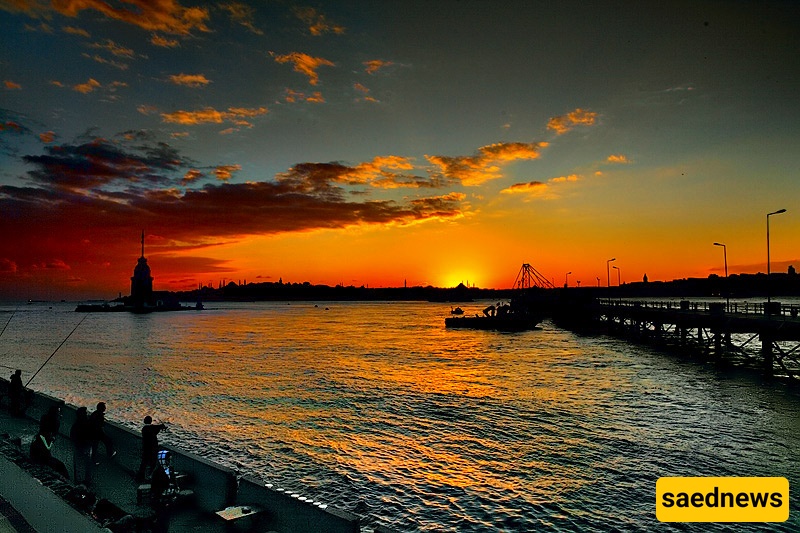
During your stay in Istanbul, don't miss a boat trip along the Bosphorus aboard one of the traditional vessels.
The strait separates Europe from Asia. Its shores offer a fascinating blend of past and present, combining modern elegance with the charm and simplicity of earlier times.
Modern hotels and wooden villas line the waterfront, alongside magnificent marble palaces, stone fortresses, traditional villages, and small fishing communities. Together, these features make the area particularly attractive to visitors.
A boat trip is one of the best ways to explore the Bosphorus. Boats often follow zigzag routes, allowing passengers to see nearly all sections of the shoreline up close.
If you want to take a boat tour, you can board a vessel at Eminönü. Despite lasting approximately six hours, some cruises offer good value for money.
Private boat tours are also available through agencies around the Golden Horn. These agencies offer half-day, daytime, and nighttime excursions.
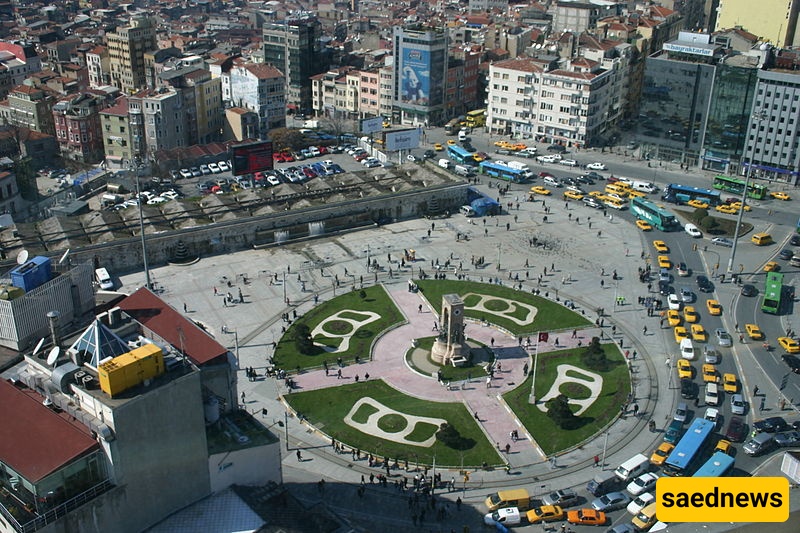
Taksim is a modern, lively district on Istanbul’s European side. It is home to stylish restaurants, cafés, and hotels, including the Çırağan InterContinental and Grand Hyatt Istanbul. Visitors looking for fast food can also find Burger King in the area.
The Republic Monument stands in the western part of the square. It was erected in 1928 to commemorate the establishment of the Turkish Republic in 1923.
Other notable attractions in Istanbul include:
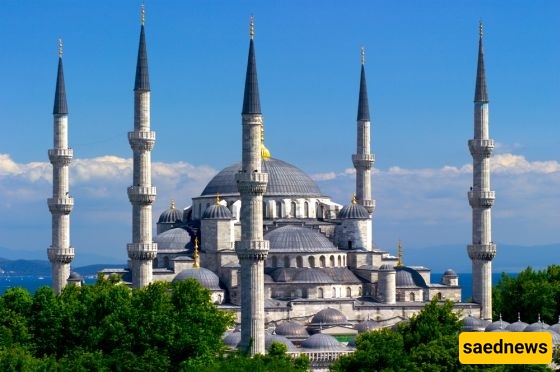
Sultan Ahmed Mosque, also known as the Blue Mosque
Topkapı Palace
Dolmabahçe Palace
The Grand Bazaar
Istanbul Archaeological Museums
Chora Church
Galata Tower
Rumeli Fortress
Maiden’s Tower
Yedikule Fortress, also known as the Seven Towers
Çırağan Palace
Büyükada Island
Museum of Turkish and Islamic Arts
Polonezköy
Rüstem Pasha Mosque
Istanbul is a popular destination for shoppers from around the world thanks to its extensive range of shopping centers, traditional markets, and specialty stores.
One major shopping destination is Akmerkez Shopping Mall. Its stores offer clothing for men, women, and children, as well as toys, eyewear, electronic devices, and a wide variety of other products.
Another excellent shopping destination is the Grand Bazaar, known in Turkish as Kapalıçarşı. This covered market contains more than 4,000 shops and boutiques.
Its many sections include streets devoted to clothing, carpets, jewelry, and fabrics, making shopping in Istanbul a varied and enjoyable experience. Market experts consider the Grand Bazaar one of the city's most important shopping destinations.
Interestingly, one Turkish souvenir exported around the world is the hookah, known as a shisha in many European countries. Other popular purchases include handicrafts, rugs, ceramic items, brassware, and numerous traditional products.
Antique objects are also sold in the western section of the bazaar, in an area associated with the city's historic secondhand and antique trade.
Another well-known market is the Spice Bazaar, also called Mısır Çarşısı. It specializes in spices, and its interior is filled with the distinctive aromas of a wide variety of seasonings.
Visitors interested in traditional crafts can explore workshops and art centers associated with historic institutions such as the Mehmet Efendi Madrasa, established in the eighteenth century, and the Caferağa Madrasa, dating from the sixteenth century. These places offer opportunities to discover the work of skilled artisans.
Clothing and textiles are among the most popular purchases in Istanbul. The best-known shopping streets for fabrics, garments, bags, and shoes include İstiklal Avenue, Cumhuriyet Avenue, and Rumeli Avenue.
İstiklal Avenue is one of Istanbul’s most famous streets, connecting to Taksim Square. It features a wide selection of fashion stores showcasing the latest trends in clothing, bags, and footwear.
Other shopping destinations worth visiting include Galleria Ataköy in the Ataköy district, Akmerkez, and Carousel Shopping Mall in Bakırköy.
Shopping opportunities extend beyond these locations. Other notable destinations include Atlas Passage, Capitol Shopping Center on the Asian side, Bağdat Avenue, and Bahariye Avenue.
The Sahaflar Book Bazaar, known in Turkish as Sahaflar Çarşısı, is another shopping destination in the Beyazıt area near Çınaraltı.
For furniture and home décor, visitors can explore the Horhor market. Other traditional shopping areas include the daily market on Çukurcuma Street in Cihangir and the Büyük Hamam area in Üsküdar.
Istanbul has two international airports.
Istanbul Atatürk Airport, located in Yeşilköy approximately 24 kilometers from the city center, historically served the European side of the city. The airport's role in commercial passenger traffic has since changed, with Istanbul Airport now serving as the main international airport on the European side.
Sabiha Gökçen International Airport is located on the Asian side, approximately 20 kilometers from the eastern districts of Istanbul and about 45 kilometers from the European city center.
Istanbul's public transportation network includes:
Taxis
Shared minivan taxis
Minibuses
Buses
Trams
Light rail
Funicular railways
Passenger boats and ferries
Taxis in Istanbul are traditionally yellow, and fares are calculated using a taximeter. Taxi travel can be relatively expensive.
The original article cites an initial fare of approximately $2 and estimates that a 10-kilometer journey could cost between $20 and $30, depending on traffic. These figures reflect the source text and should not be considered current fares.
Taxis generally operate as private vehicles rather than shared transportation.
Another option is the shared minivan taxi, locally known as a dolmuş. These vehicles traditionally operate along designated routes and carry multiple passengers.
The article describes them as yellow vehicles with a capacity of approximately 10 passengers. Unlike buses, they may stop along their routes when passengers request to board or exit.
The original text lists a fare of 1.5 Turkish lira, approximately $1 per passenger. These prices are historical and are not representative of current fares.
Minibuses typically carry around 15 passengers and operate along designated routes. Like shared minivans, they may stop at locations requested by passengers rather than exclusively at fixed stops.
The original article gives a historical fare of approximately 1.5 Turkish lira per passenger.
Istanbul's bus network provides relatively regular service throughout the city. Some buses are operated by public authorities, while others belong to private companies.
The original article states that fares were approximately $1, or 1.5 Turkish lira, and that passengers could pay using electronic tickets or cash. When paying cash, passengers could receive an electronic card from the driver or an assistant to validate the fare.
These fare details are historical; visitors should check current ticketing options and prices before traveling.