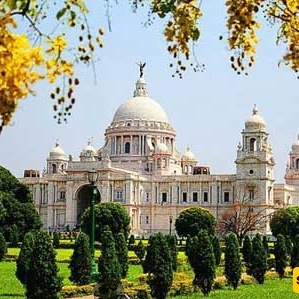
SAEDNEWS: The World’s Most Famous Domes – Photos of the World’s Most Famous Domes – Discover the World’s Most Famous Domes
According to Saednews, For those who grew up surrounded by Islamic architecture, domes are a familiar sight. Across cities throughout Iran, domes of all shapes and sizes rise above mosques and shrines. However, the history of dome construction dates back much further. Although archaeologists have yet to determine exactly where and by whom the first dome was built, most researchers agree that some of the earliest technically advanced domes in Europe emerged during the Roman architectural revolution.
In this article, we explore some of the most famous and magnificent domes ever built.
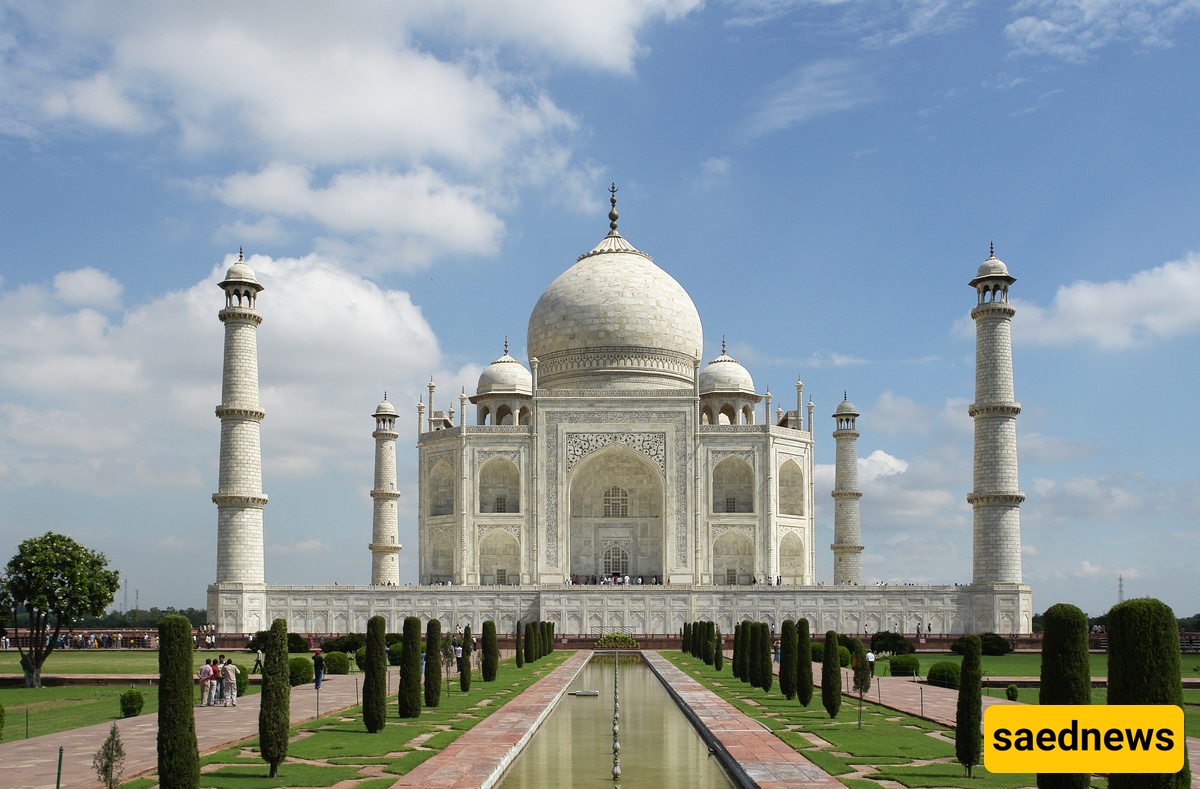
Located in Agra, India, the Taj Mahal is a magnificent mausoleum constructed from white marble. Commissioned by Emperor Shah Jahan between 1632 and 1653 as a memorial to his beloved wife, Mumtaz Mahal, the monument is renowned for its breathtaking beauty.
Its most striking feature is the grand marble dome, which rises approximately 35 meters above the structure and crowns the entire mausoleum. The Taj Mahal is one of the most celebrated tombs on the Indian subcontinent.
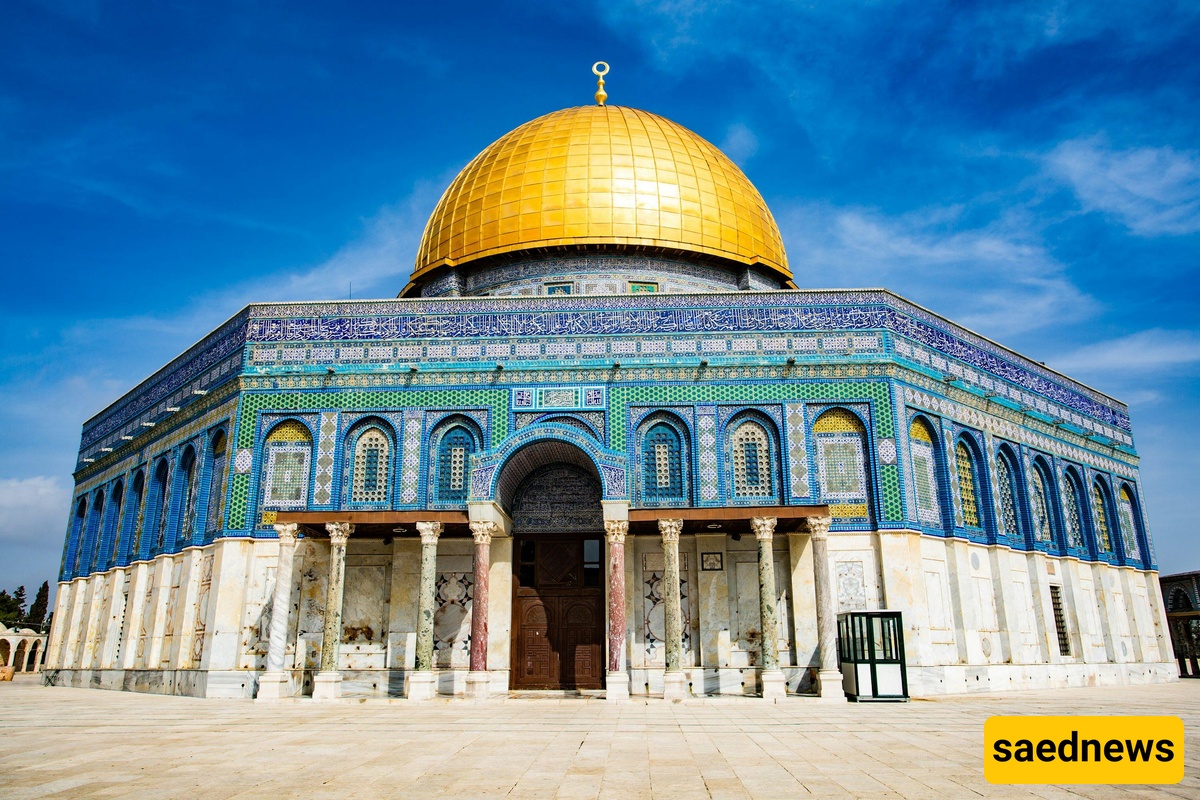
Built in 691 CE, the Dome of the Rock is one of the earliest and most significant architectural achievements of Muslim builders. The shrine stands on a site that has become one of the world's most contested religious locations.
Although it is not a mosque, the Dome of the Rock is an important religious sanctuary and one of the most remarkable landmarks in the historic city of Jerusalem.
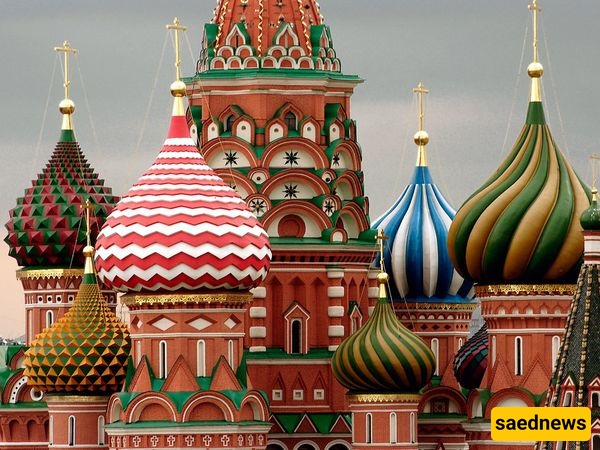
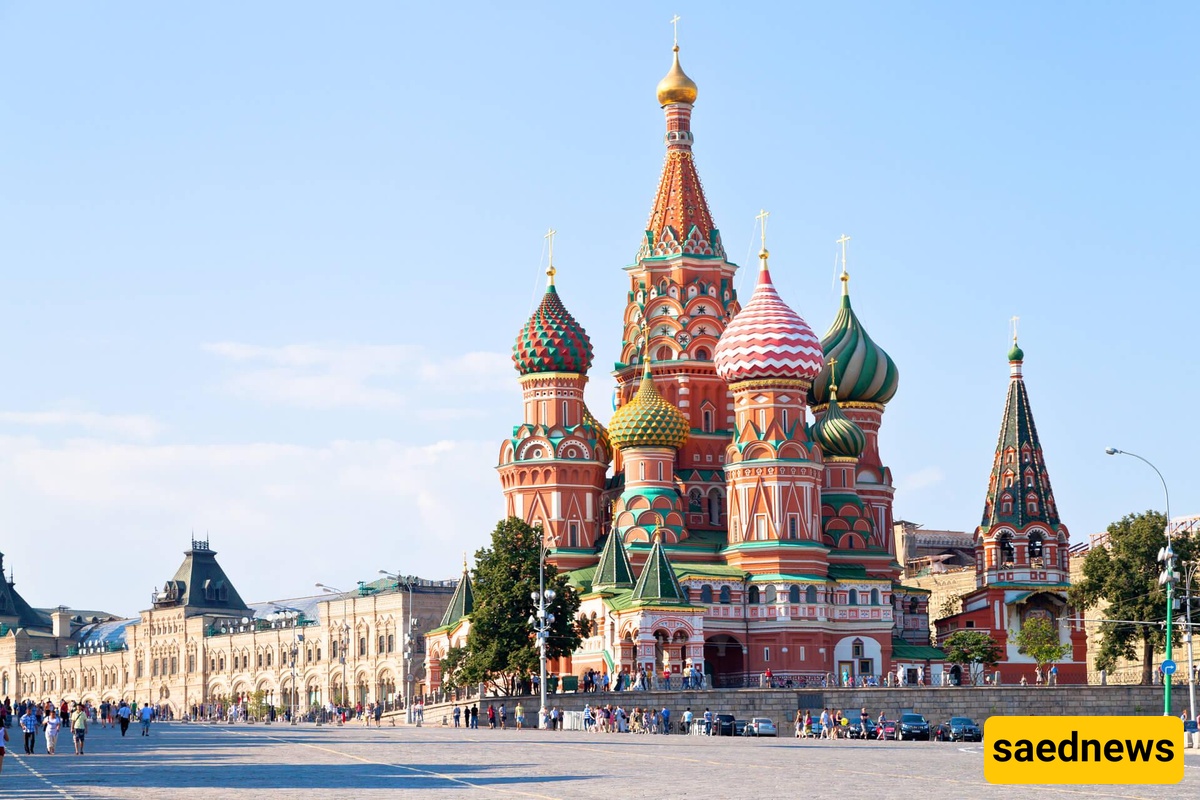
This Russian Orthodox cathedral was built between 1555 and 1561 on the orders of Ivan the Terrible. Located in Moscow’s Red Square, Saint Basil’s Cathedral is famous for its distinctive, colorful onion-shaped domes.
The cathedral is one of Russia’s most recognizable architectural landmarks and is part of a UNESCO World Heritage Site.
The dome crowns the United States Capitol in Washington, D.C. The dome visible today is the building’s second major dome.
In 1850, as new states joined the United States and their representatives entered Congress, the Capitol underwent expansion. The dome was subsequently enlarged and redesigned to accommodate the growing building and its legislative functions.

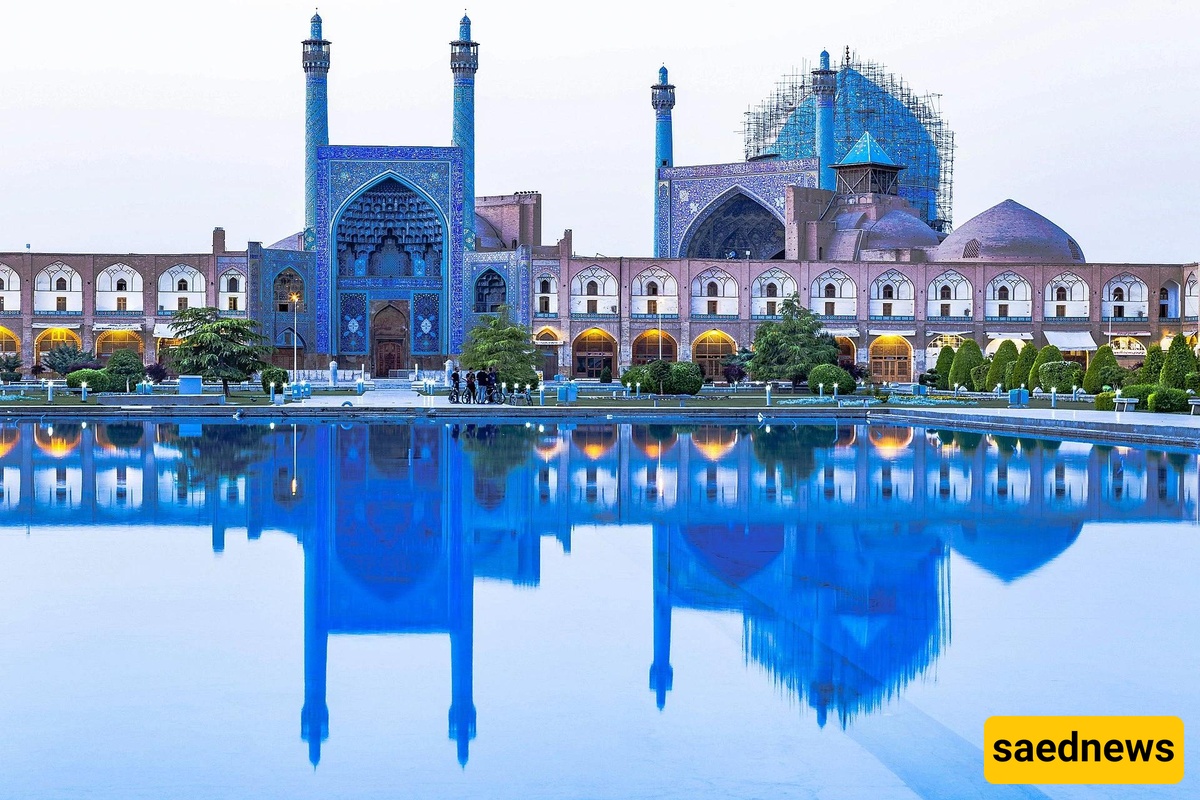
The Imam Mosque, also known as the Shah Mosque, is considered one of the masterpieces of Persian architecture.
Construction began in 1611 and was completed in 1629. Its magnificent seven-color tiles and intricate calligraphy are among the principal features that give the mosque its extraordinary beauty.
Standing approximately 53 meters tall, its dome is the tallest mosque dome in Isfahan.
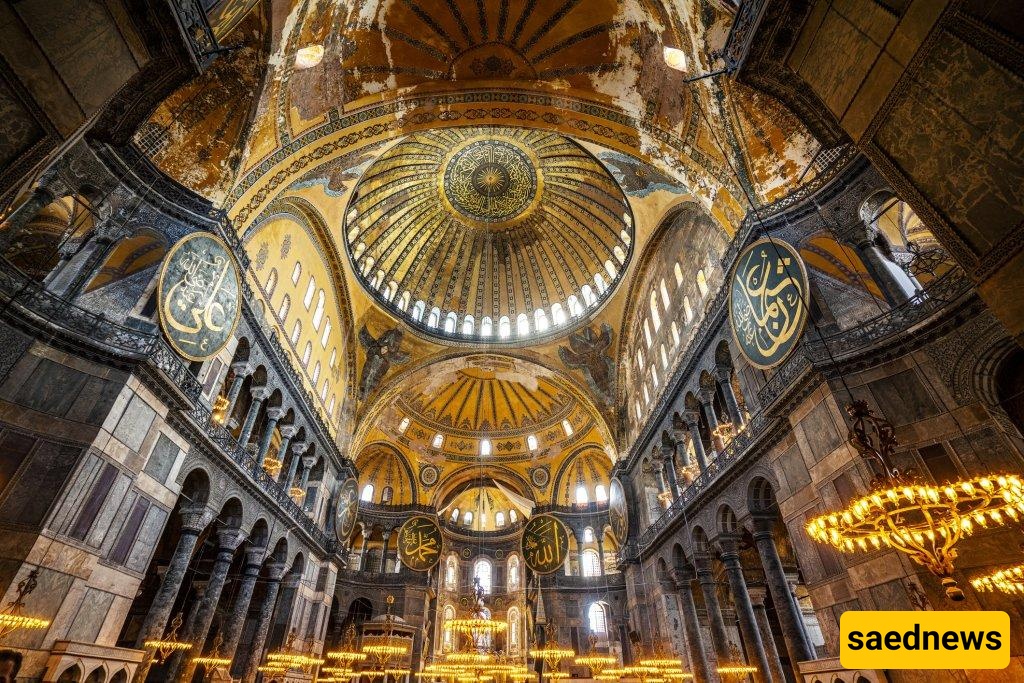
Hagia Sophia was originally built as an Eastern Orthodox cathedral, later became a mosque, and has also served as a museum. Today, it is one of Istanbul’s most famous historical landmarks.
Completed in 537 CE, it served as an Orthodox cathedral until 1453, apart from the period between 1204 and 1261, when it functioned as a Roman Catholic cathedral.
Following the Ottoman conquest of Constantinople, it was converted into a mosque in 1453–1454. It became a museum in 1935 and was reconverted into a mosque in 2020.
Its immense dome remains one of the most influential achievements in the history of architecture.
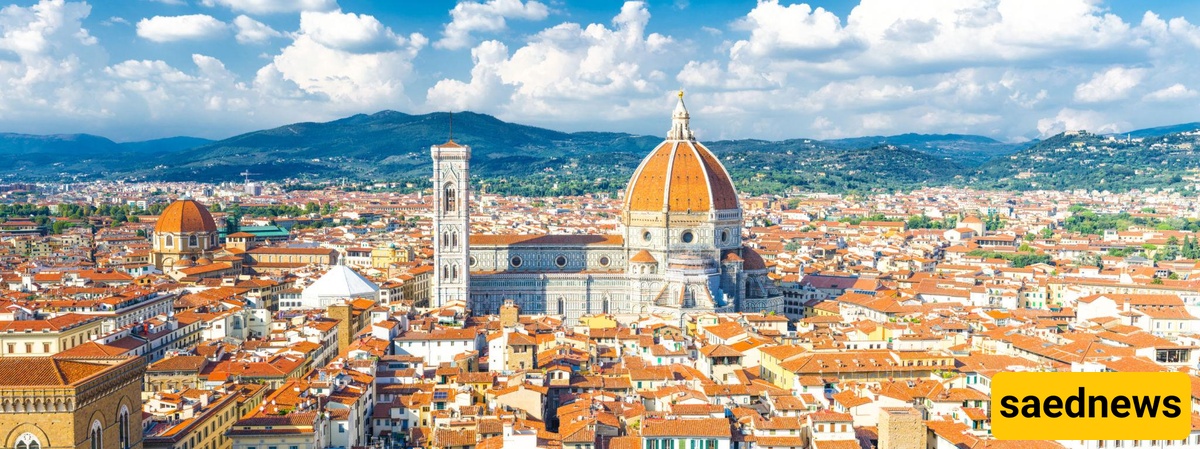
Construction of Florence’s principal cathedral began in 1296 in the Gothic style. The building was completed in 1436 with the construction of its remarkable dome.
Designed by Filippo Brunelleschi, the dome is widely recognized as the largest masonry dome ever built. Its innovative engineering represented a major milestone in Renaissance architecture.
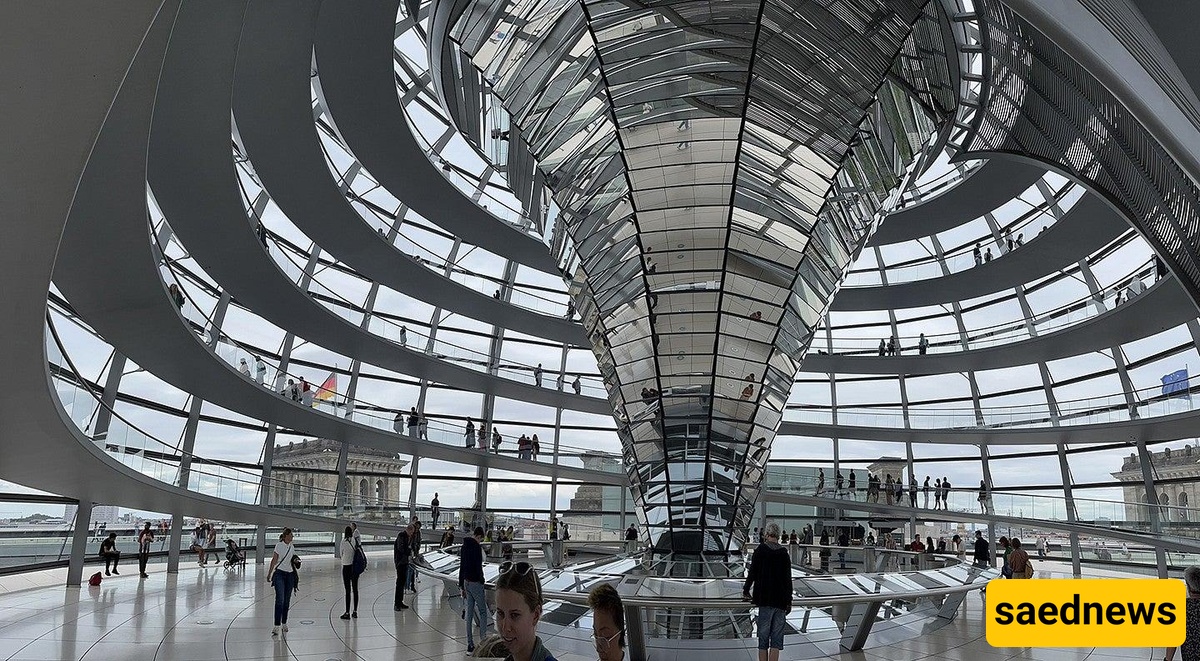
The Reichstag Building in Berlin was completed in 1894 and served as the home of Germany’s parliament until it suffered severe damage in 1933 following a fire.
After German reunification, the building underwent extensive renovation. Since 1999, it has served as the seat of the modern German Bundestag.
Its striking glass dome offers panoramic 360-degree views of Berlin and has become one of the building’s most popular attractions.
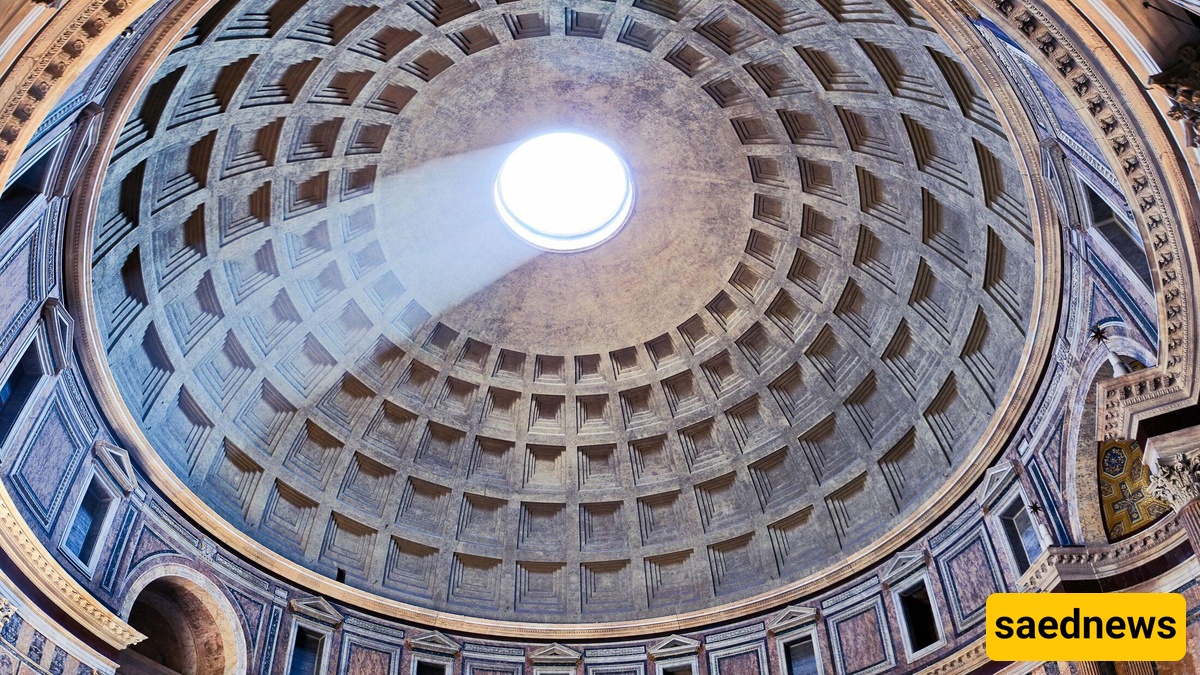
The Pantheon in Rome was completed around 126 CE as a temple dedicated to all the Roman gods. Since the seventh century, it has served as a Roman Catholic church.
Its extraordinary dome features a circular opening at the center known as the oculus, or eye, which allows natural light to enter the building.
Nearly 2,000 years after its construction, the Pantheon remains a remarkable engineering achievement and is renowned for having the world’s largest unreinforced concrete dome.
St. Peter’s Basilica in Vatican City was constructed between 1506 and 1615. Its magnificent dome was designed by the celebrated Renaissance artist and architect Michelangelo, who began working on the project in 1547.
The dome reaches approximately 136.57 meters from the basilica’s floor to the top of the cross above it, making it one of the most prominent domes in the world.
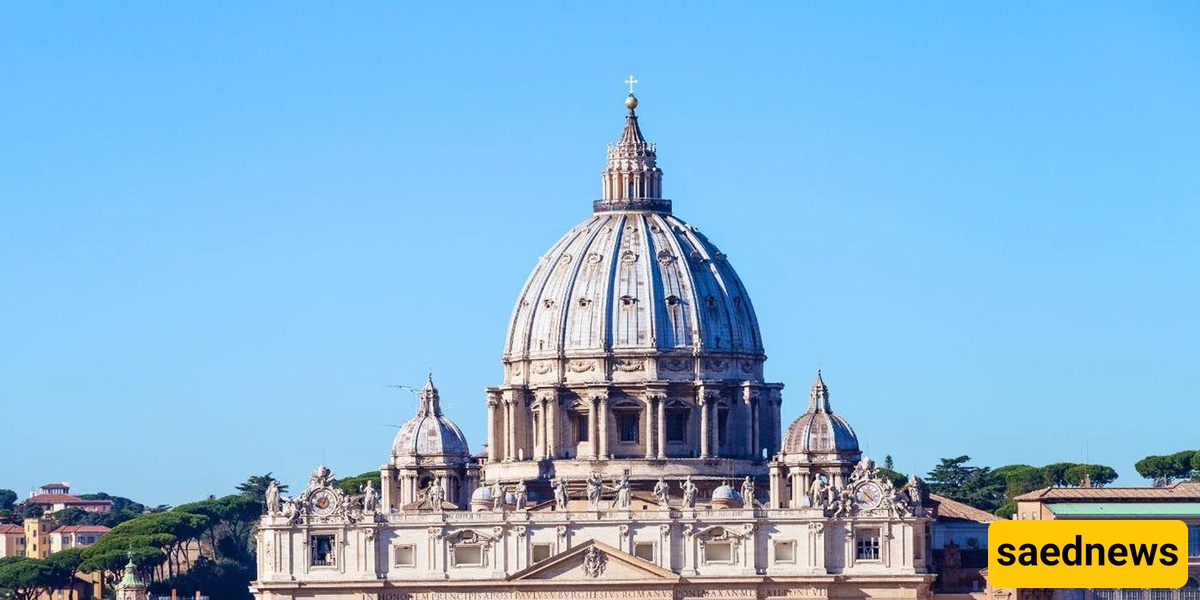
It is widely regarded as one of the most magnificent achievements of Christian religious architecture.
From the intricate tilework of Persian mosques to the monumental engineering of ancient Rome and the soaring domes of Renaissance Europe, these architectural masterpieces demonstrate humanity’s enduring fascination with the dome.