SAEDNEWS: Discover the Beauty and History of Hagia Sophia, Istanbul’s Iconic Mosque and Former Church
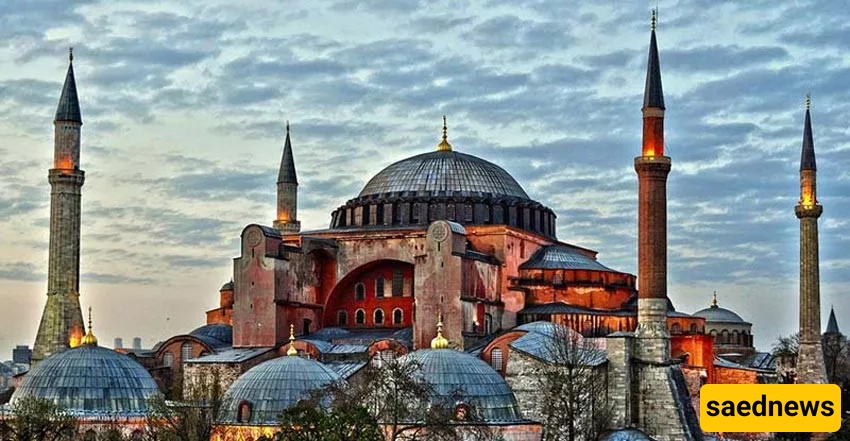
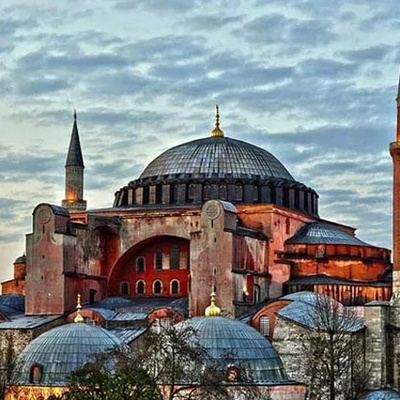
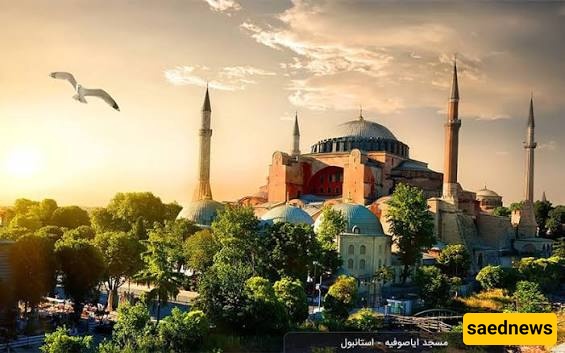
According to Saednews, Hagia Sophia, also known as the Hagia Sophia Mosque, is one of Istanbul’s most remarkable landmarks and a masterpiece of Byzantine architecture. Its name literally means “Holy Wisdom.” The building’s magnificent dome rises approximately 56 meters above the ground and is designed to create the illusion of floating in the air, symbolizing heaven. Among its most notable artistic features are Byzantine mosaics and enormous circular Ottoman calligraphic medallions inscribed with verses from the Quran.
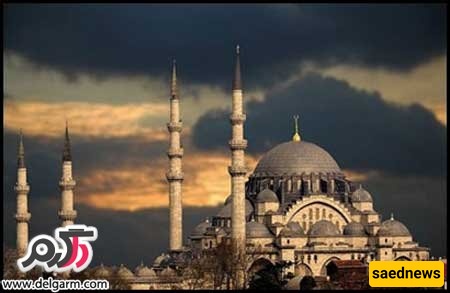
Four minarets were added to the building in later centuries. Following Sultan Mehmed the Conqueror’s conquest of Constantinople in 1453, the church was converted into a mosque. Before the construction of the church, the site had reportedly been occupied by a Roman temple. In 1935, the building was converted into a museum.
Hagia Sophia was originally constructed in 325 AD. The emperor envisioned creating the most beautiful and largest church possible. Two architects, assisted by 10,000 workers and using vast quantities of gold and other precious materials, undertook the ambitious project. The church was completed and inaugurated in 537 AD.
After the Ottoman conquest of Constantinople, the church was converted into a mosque, and minarets were subsequently added. In 1935, Mustafa Kemal Atatürk decided to transform the building into a cultural museum.
The dome rises approximately 54 meters above ground level, and the interior contains a total of 107 columns.
Hagia Sophia is considered one of the most valuable surviving monuments of the Byzantine era. Among its artistic treasures are mosaics depicting the Virgin Mary and Jesus Christ.
One famous mosaic portrays Christ offering a blessing with one hand while holding a book of scripture in the other. To the right of the Virgin Mary stands John II Komnenos, dressed in elaborate, jewel-encrusted imperial garments and holding a purse of jewels symbolizing the emperor’s donation to the church. Empress Irene stands to the Virgin Mary’s left, wearing ceremonial clothing and presenting a document.
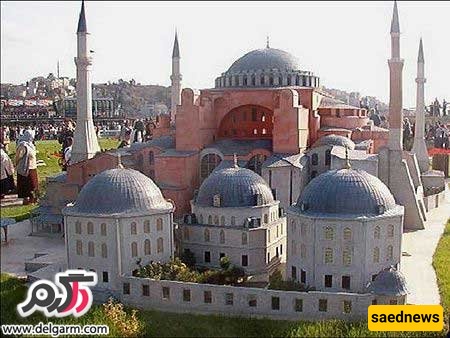
Hagia Sophia was designed with the involvement of distinguished mathematicians and physicists and was constructed in approximately five years, beginning in 532 AD, with the labor of 10,000 workers and the expertise of around 100 master craftsmen.
Its enormous dome appears to rest on light itself, inspiring admiration among historians, architects, and scholars throughout the centuries.
The magnificent church was officially inaugurated on December 27, 537, by the emperor, accompanied by Patriarch Eutychius, during an elaborate ceremony.
From that time onward, Hagia Sophia served as a major place of worship for the Orthodox Christian community of Constantinople. It also hosted important imperial ceremonies, including coronations. The complex additionally served as an orphanage and a place where penitents confessed their sins. Visitors from across the world were deeply impressed by its grandeur.
Following the capture of Constantinople during the Fourth Crusade in 1204, Hagia Sophia was subjected to looting and desecration by Latin Christians. Numerous ancient relics and sacred objects were stolen and transported to churches in Western Europe.
These reportedly included relics associated with the tomb of Jesus Christ, an image of the Virgin Mary nursing the infant Jesus, the burial shroud of Christ, and bones attributed to Christian religious figures buried at Hagia Sophia.
During the Latin occupation of Constantinople, Hagia Sophia was converted into a Roman Catholic cathedral.
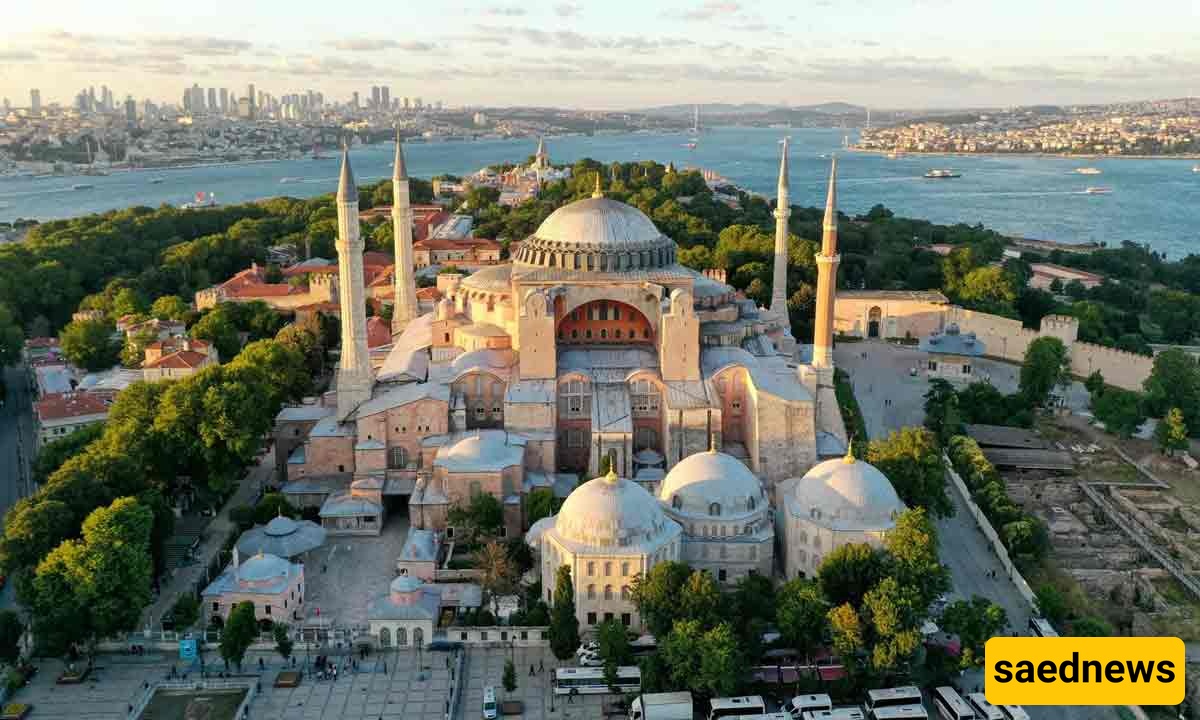
Following the Ottoman conquest of Constantinople in 1453, Hagia Sophia was transformed into a mosque. Sultan Mehmed the Conqueror ordered its conversion on the very day the city was captured.
Three days after the conquest, Friday prayers were held inside Hagia Sophia, led by Akshamsaddin. The sermon was delivered in the name of the Ottoman sultan, marking a significant moment in the building’s history.
In 1935, Mustafa Kemal Atatürk, the first president of the Republic of Turkey, converted the building into a museum.
This extraordinary monument reflects the contributions of numerous generations and cultures. Its history encompasses the Byzantine emperors, Ottoman architects, Islamic calligraphers, and European architectural traditions. It also bears the influence of the renowned Ottoman architect Mimar Sinan, who incorporated earthquake-resistant principles into his architectural work.
Hagia Sophia preserves traces of numerous ancient cities and cultures, representing more than 1,500 years of history. Its walls and architectural features bear witness to different historical periods, from the Crusades to the development of Ottoman Islamic culture.
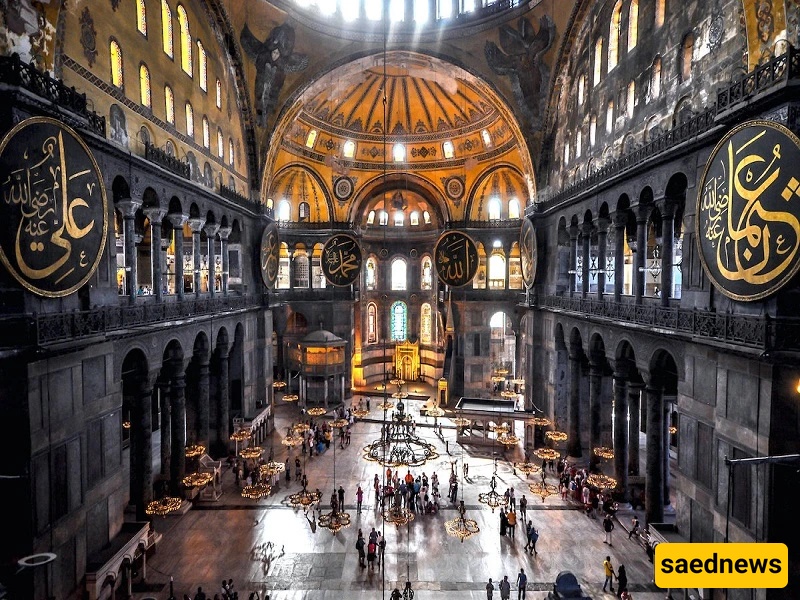
Within this remarkable structure, Christian and Islamic artistic traditions coexist, creating a unique architectural and cultural legacy. Its magnificent dome floods the interior with light, creating an atmosphere of grandeur and tranquility.
Even today, Hagia Sophia continues to fascinate historians, architects, researchers, and visitors. Its architectural achievements, artistic treasures, and enduring mysteries have inspired countless books and scholarly studies.
Hagia Sophia remains one of Istanbul’s most extraordinary landmarks, offering a remarkable glimpse into the civilizations that shaped its history.