SAEDNEWS: Beirut, the vibrant capital of Lebanon, is home to numerous fascinating tourist attractions. The city is also known for its rich culture and welcoming people, who have helped make Beirut an appealing destination for travelers from around the world. Let’s explore what makes this remarkable city worth visiting.
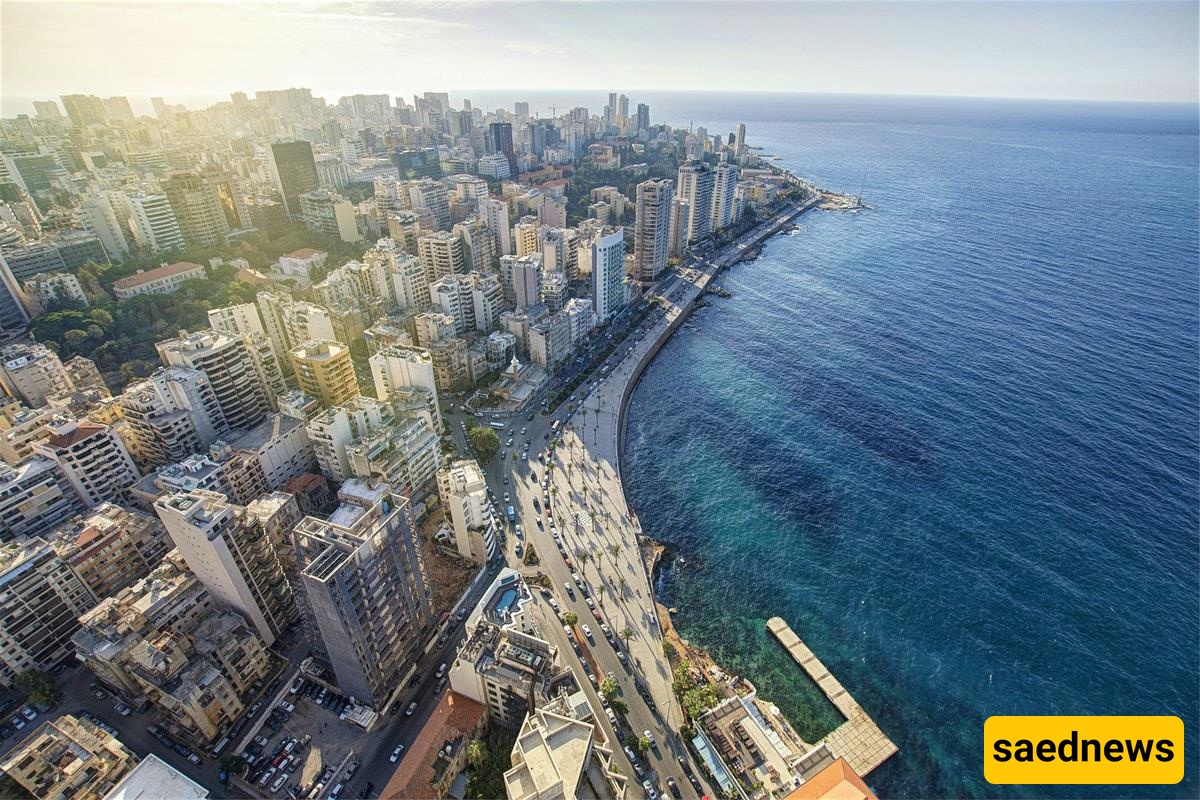
According to Saednews, Beirut, the capital and largest city of Lebanon, is the country’s cultural and historical hub. Although Beirut has endured invasions, conflict, and war, it still offers plenty to see and enjoy. Here are some of the city’s most remarkable attractions that you should not miss when traveling to Lebanon.
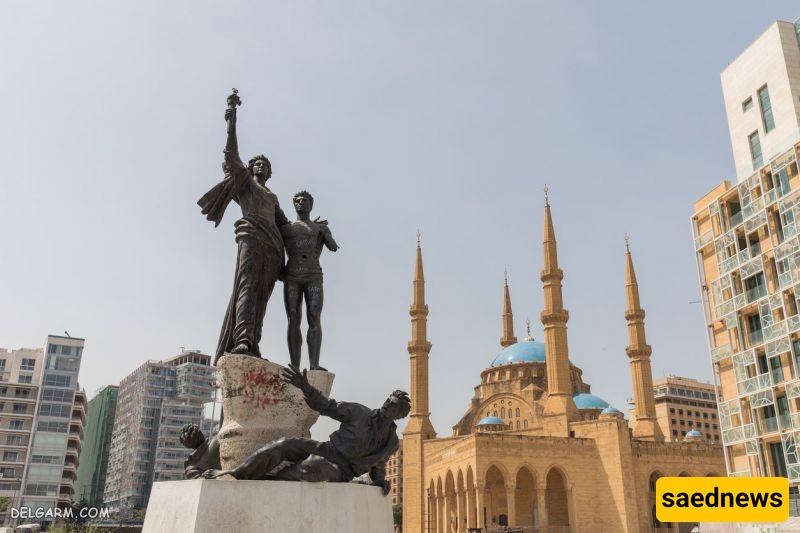
Martyrs’ Square is an important landmark in Lebanon’s history and one of the places worth visiting in Beirut. The square is dedicated to Lebanese people who were executed during Ottoman rule.
It also marks the former dividing line between East and West Beirut. Martyrs’ Square was established in 1931 and has survived the political assassinations and violence that took place in Lebanon’s more recent history.
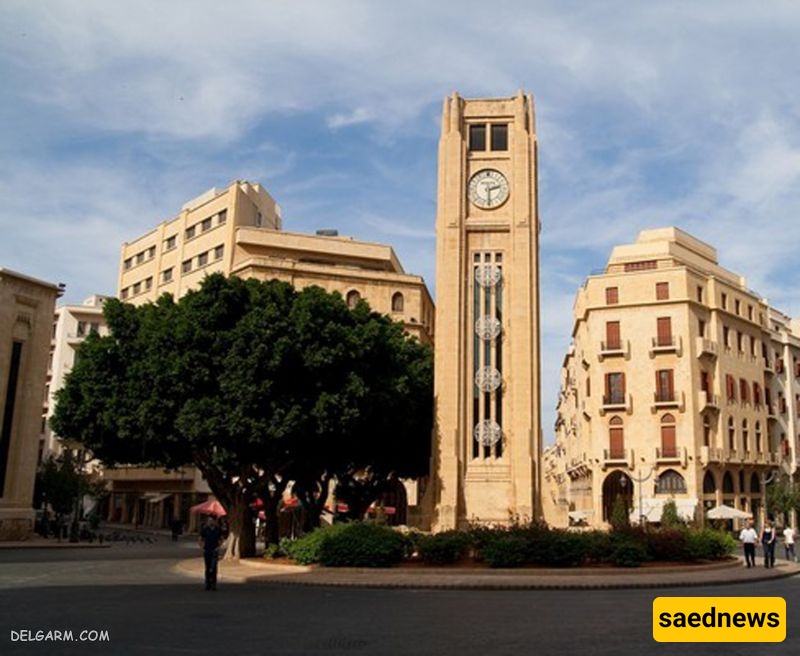
Located in the heart of Beirut, Nejmeh Square was part of the extensive reconstruction carried out after the Lebanese Civil War. The square is home to the Lebanese Parliament, two cathedrals, and a museum, making it one of the city’s important cultural and civic centers.
During your visit to Beirut, spending some time in the square, enjoying a meal or a cup of coffee while admiring its famous 1930s Rolex clock, can be a memorable experience.
Zaitunay Bay is a luxurious marina in Beirut, lined with yachts, restaurants, and places to enjoy a relaxing snack or meal. It is considered one of the city’s most attractive waterfront destinations.
Zaitunay Bay is also a popular weekend destination for locals. For a relaxing dining experience, consider visiting restaurants such as Babel Bay and enjoying the atmosphere along the waterfront.

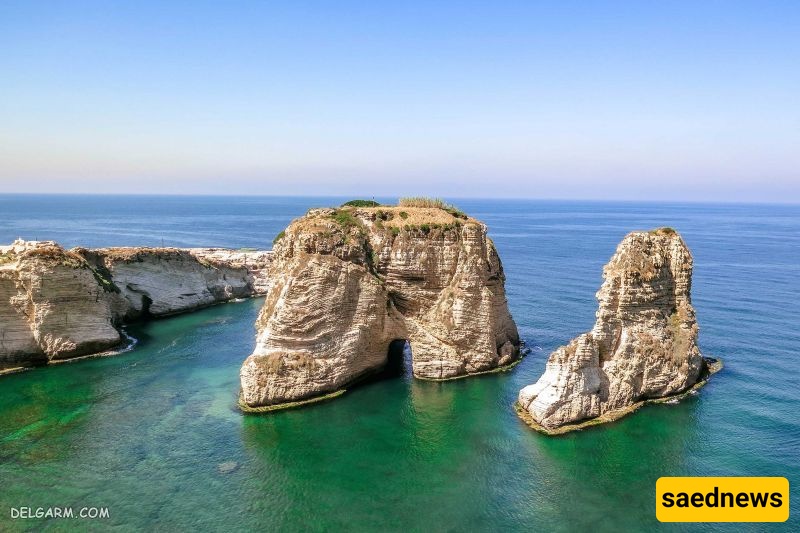
Pigeon Rocks, also known as the Raouché Rocks, are among Beirut’s most famous natural landmarks. Located in the Mediterranean Sea, these striking rock formations are considered one of Lebanon’s natural treasures.
The Raouché area is surrounded by dramatic cliffs and has yielded evidence of ancient human presence in Lebanon. One of the best things to do during a visit is to walk along the Raouché Corniche and enjoy the spectacular views of the coastline and the rocks.
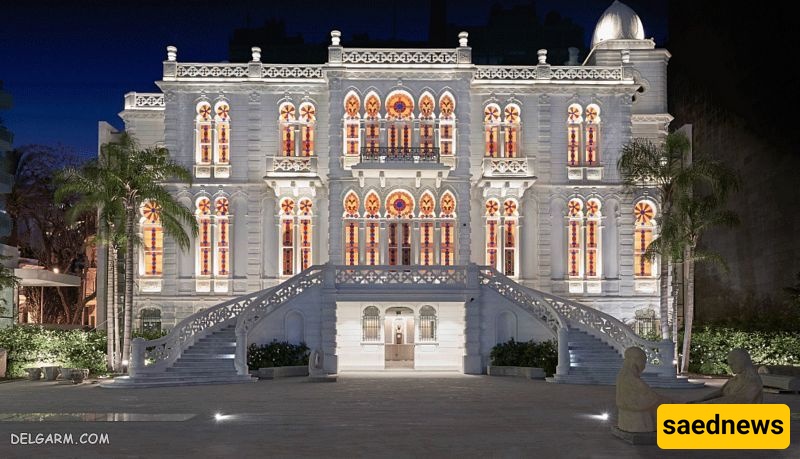
The Sursock Museum is one of Beirut’s most popular cultural attractions and an important contemporary art museum where visitors can experience Lebanon’s artistic and cultural heritage.
The museum was originally a private villa that was transformed into a public cultural institution. The building itself is an architectural masterpiece and an excellent example of historic Lebanese architecture. It was built by the Sursock family in the 19th century.
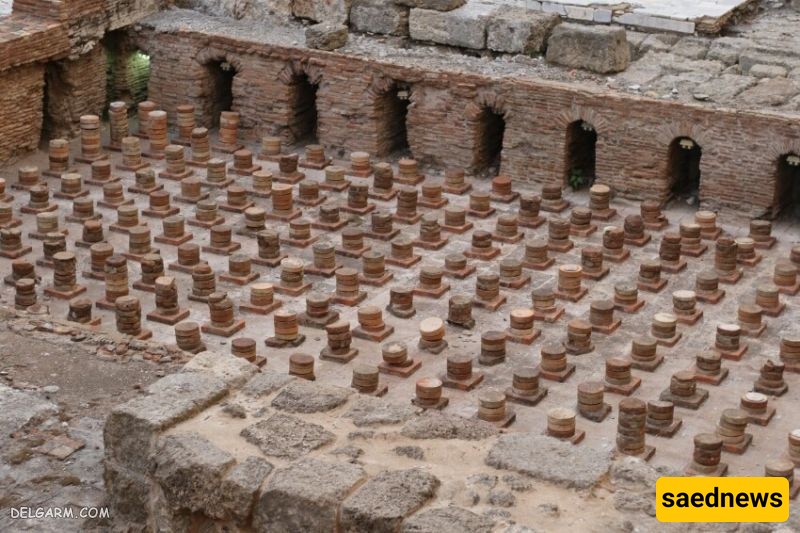
The Roman Baths are another fascinating historical attraction located in central Beirut. These archaeological remains offer a glimpse into the city’s ancient past.
Although the ruins have not been in use for centuries, walking among them makes it easy to imagine what everyday life may have been like during the Roman Empire.
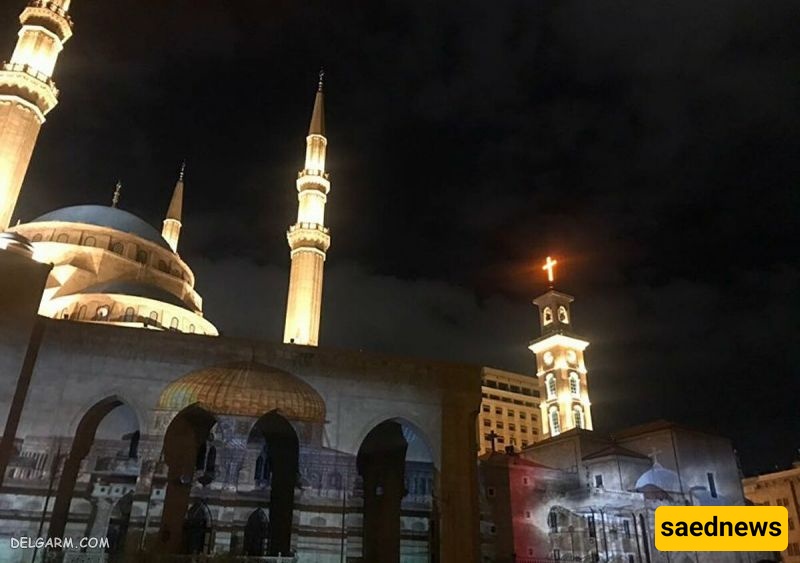
Mohammad Al-Amin Mosque, sometimes known as the Blue Mosque, is one of Beirut’s most impressive landmarks. Located in the city center, the mosque was supported financially by former Lebanese Prime Minister Rafic Hariri and became a symbol of his efforts to rebuild and develop Beirut.
The mosque was only one of Hariri’s major contributions to the city. He also helped transform Beirut’s commercial center, supported scholarships for talented students, and encouraged foreign investors to invest in Lebanon.
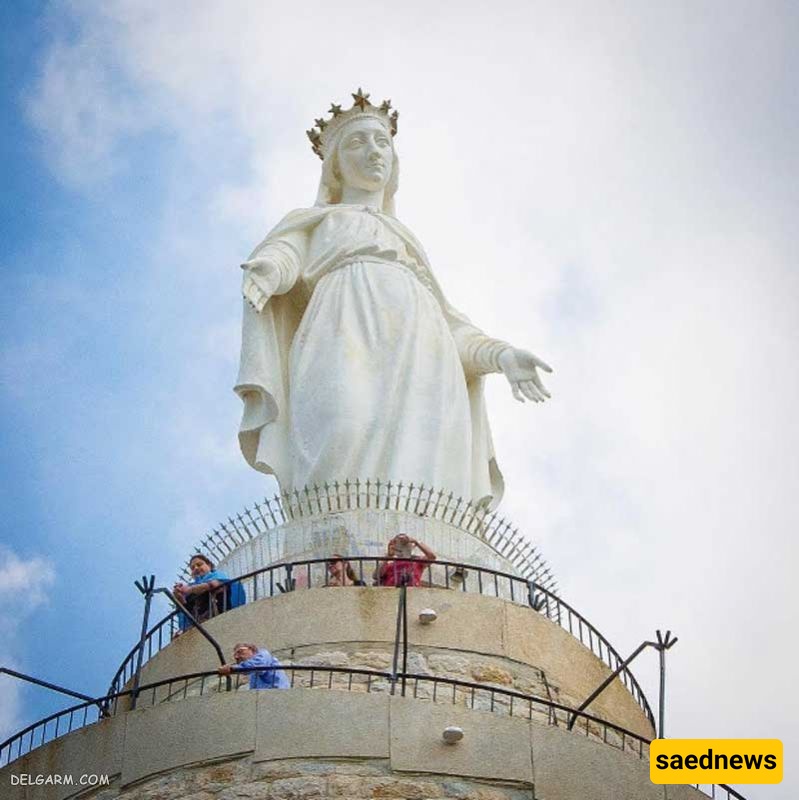
Our Lady of Lebanon, located in Harissa, is another remarkable attraction to visit while exploring the Beirut area. The site is home to a monumental statue of the Virgin Mary overlooking Jounieh.
The sanctuary is an important place of Christian pilgrimage and worship. Located high above Jounieh, it offers spectacular panoramic views of the surrounding area. Visiting the church and sanctuary of Harissa is highly recommended for travelers exploring Lebanon.
One of the main reasons Beirut is so fascinating is its rich and complex history. The city has survived civil war, occupation, political instability, and periods of unrest while retaining a remarkable cultural heritage.
Throughout Beirut, visitors can find visible traces of the city’s repeated destruction and renewal. The contrast between remnants of war and modern waterfront developments creates a fascinating visual history that can be experienced simply by walking through the streets.
Another reason Beirut is so appealing is its vibrant atmosphere and distinctive energy. It is certainly one of those cities whose charm is difficult to put into words.
Lebanon’s capital has a way of leaving a lasting impression on visitors. Few people remain indifferent to Beirut, and many travelers find themselves wanting to return after their first visit.
The people of Lebanon are known for their warmth and hospitality, and this is especially evident among the people of Beirut, who have long welcomed visitors from around the world.
Strike up a conversation with locals and you may quickly make new friends. From taxi drivers who take you around the city to people you meet who insist on inviting you for dinner or coffee, the hospitality of Beirut’s residents can make a trip to the city especially memorable.