SAEDNEWS: Rotterdam is one of the largest cities in the Netherlands, offering a wide variety of tourist attractions and exciting recreational activities. Join us as we explore the must-see sights and experiences this vibrant city has to offer.
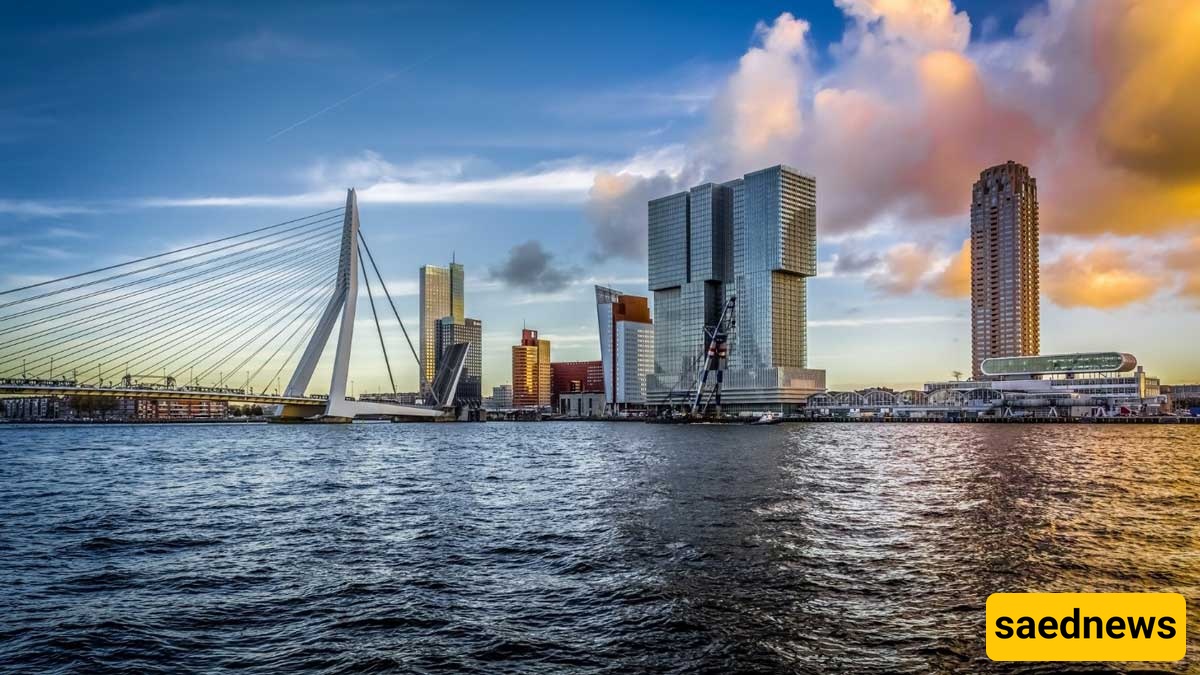
According to Saednews, The Netherlands is one of the beautiful countries of northwestern Europe. Thanks to its unspoiled nature, beautiful plants, and modern cities, it attracts many tourists from all over the world every year.
This predominantly Christian country has a population of more than 16 million people and is home to approximately one million Muslims. Rotterdam is one of the Netherlands’ most famous cities. It is the country’s second-largest city after Amsterdam, as well as the largest port in Europe and the second-largest port in the world after Shanghai.
The city’s strategic location in the Rhine–Meuse–Scheldt delta, along with its extensive railway, road, air, and waterways, has earned Rotterdam the nickname “Gateway to Europe.”
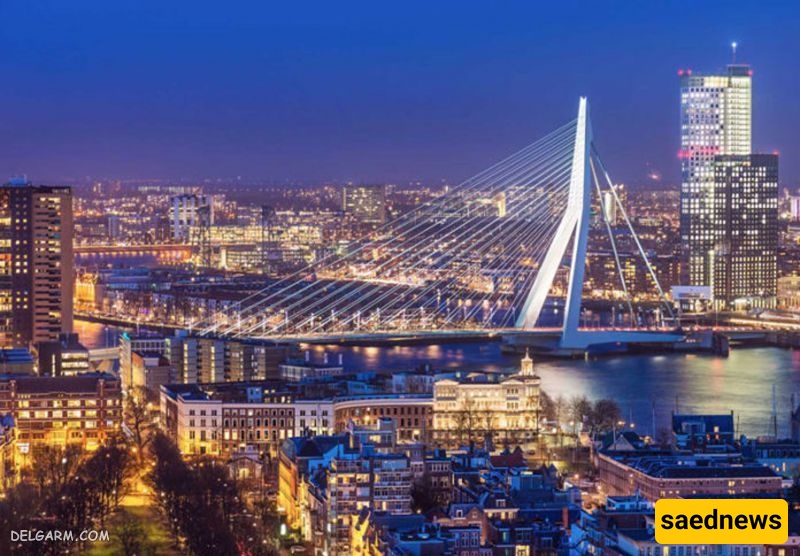
Tourist Attractions in Rotterdam
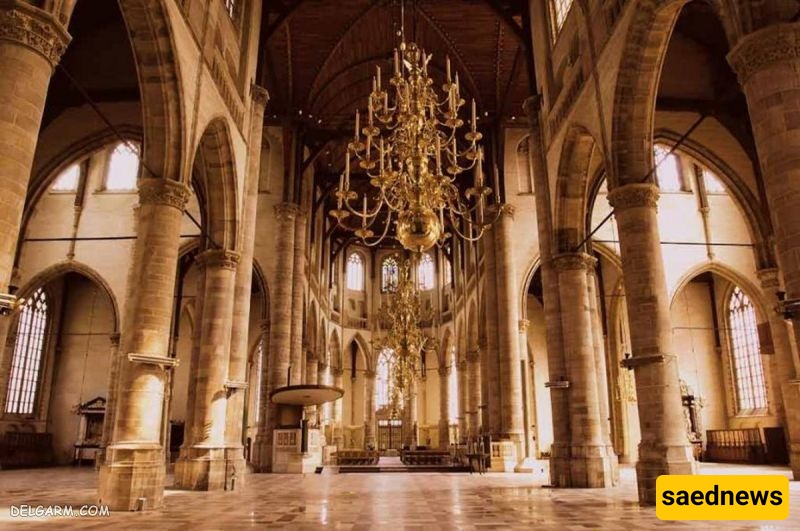
Laurenskerk, or St. Lawrence Church, was originally built along the banks of the Rotte River. The original location of the church can be considered the birthplace of Rotterdam.
St. Lawrence Church is an impressive building constructed between 1442 and 1525. It is the only surviving Gothic church in Rotterdam.
Following the bombing of Rotterdam during World War II, the condition of St. Lawrence Church reflected, on a smaller scale, the destruction and devastation suffered by the city during the war.
Today, the medieval St. Lawrence Church stands out as a surviving reminder of a distant past amid Rotterdam’s vast landscape of modern architecture. The church continues to welcome visitors and tourists and hosts concerts, exhibitions, lectures, and official gatherings.
The church’s permanent exhibition is a suitable attraction for tourists. For a spectacular view of central Rotterdam, visitors can also climb to the top of the church tower.
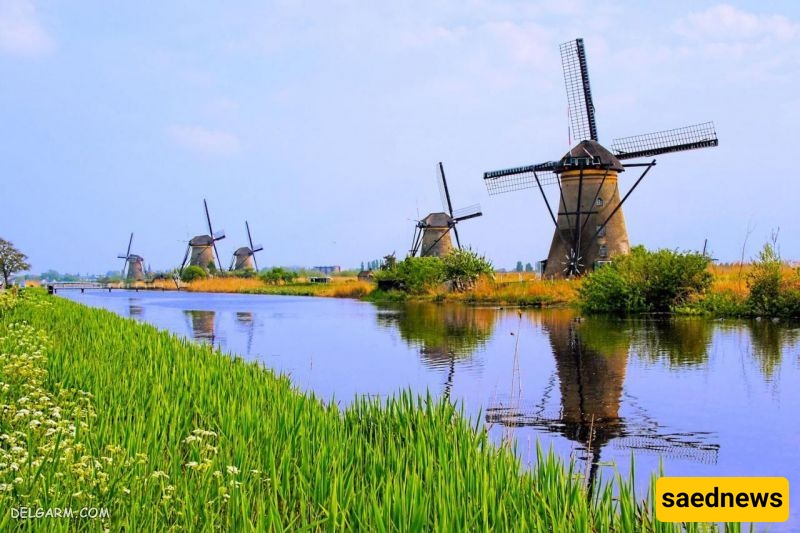
The Kinderdijk Windmills, which are listed as a UNESCO World Heritage Site, are an outstanding and unique example of how the Netherlands manages and controls its water resources. The challenges and efforts involved in dealing with water and water management can be clearly seen in these windmills.
A remarkable collection of 19 windmills, set within an authentic Dutch landscape, creates an impressive and breathtaking scene.
The Nederwaard Windmill Museum explores how families lived and worked around these windmills around 1900. At the Blokweer Museum, visitors can even experience what it was like to work as a miller.
In the multimedia hall, visitors can watch interesting films and board an electric boat to view the windmills from the water while experiencing the wind, the scent of the water, and the sound of the turning windmill blades.
This attraction can be visited throughout the year. Since the windmills are considered one of the symbols of Rotterdam and the surrounding region, a visit should not be missed.
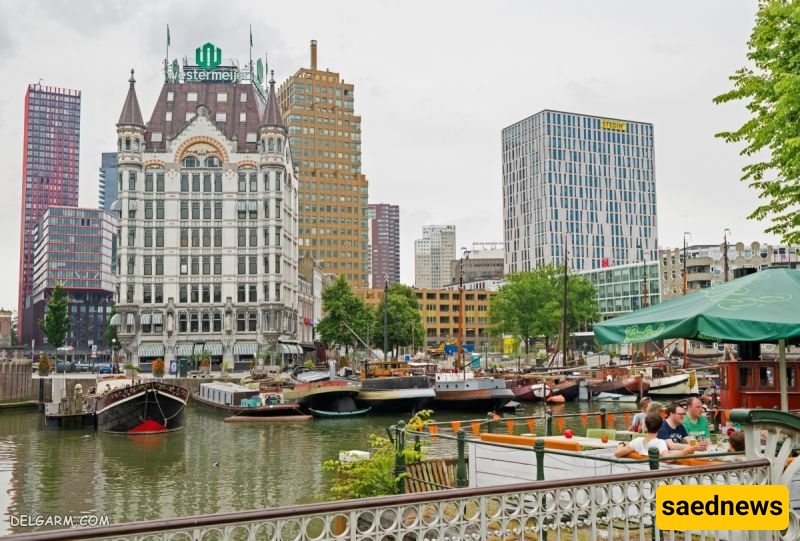
The Old Harbour embraces a waterway filled with restored historic boats. Many of these vessels have been converted into houseboats where their owners live.
On a pleasant day, you can sit at one of the cafés around the waterfront or take a walk along the harbour and watch the boats being painted or repaired.
Signs and information boards along the waterfront indicate the ages of the boats, while photographs illustrate the harbour’s prosperous past as a commercial port and anchorage.
A short walk from here takes you to the Maritime Museum Rotterdam, founded in 1873. The museum provides an excellent perspective on the city’s relationship with the sea and its extensive network of waterways.
The museum’s extensive collection focuses on the history of maritime travel and shipping. It includes various ship models, a reconstruction of a 200-year-old ship, and numerous paintings depicting maritime life.
Another attraction related to Rotterdam’s maritime heritage is the Harbour Museum, an open-air collection featuring historic vessels and objects. Among them are the Buffel, a surviving 19th-century ironclad ship, and several historic lightships, all of which can be visited.
Rotterdam is home to many outstanding examples of modern architecture. This is partly due to the city’s coastal location and partly to the destruction caused by World War II and the extensive reconstruction that followed.
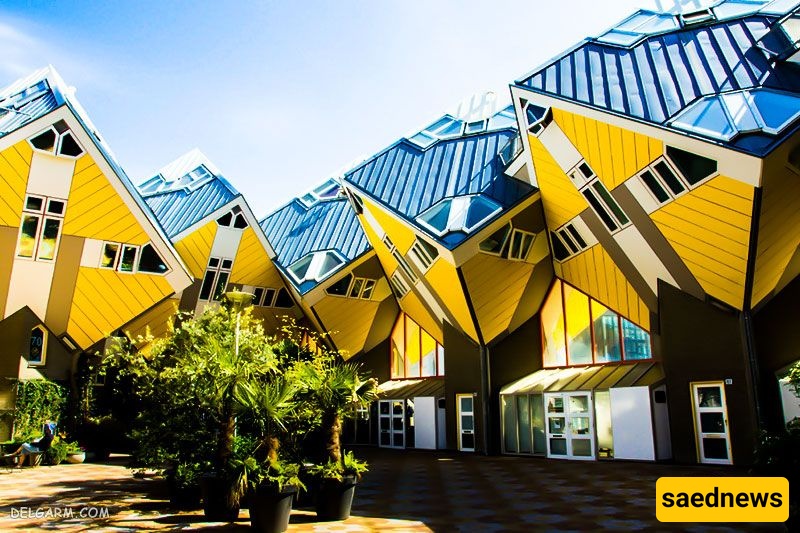
The height of Rotterdam’s modern architectural character can be seen in its famous Cube Houses.
This row of houses was designed by Dutch architect Piet Blom. Their distinctive cube-shaped roofs can easily be seen while walking along the waterfront.
One of the houses, known as the Show Cube, is open to visitors and showcases the design and history of the houses.
Another architectural gem in Rotterdam is the White House, which was once considered the tallest building in Europe.
This remarkable 10-story structure was built in 1898 in the Art Nouveau style. It is a national heritage site and offers impressive views of the city from its upper floors.
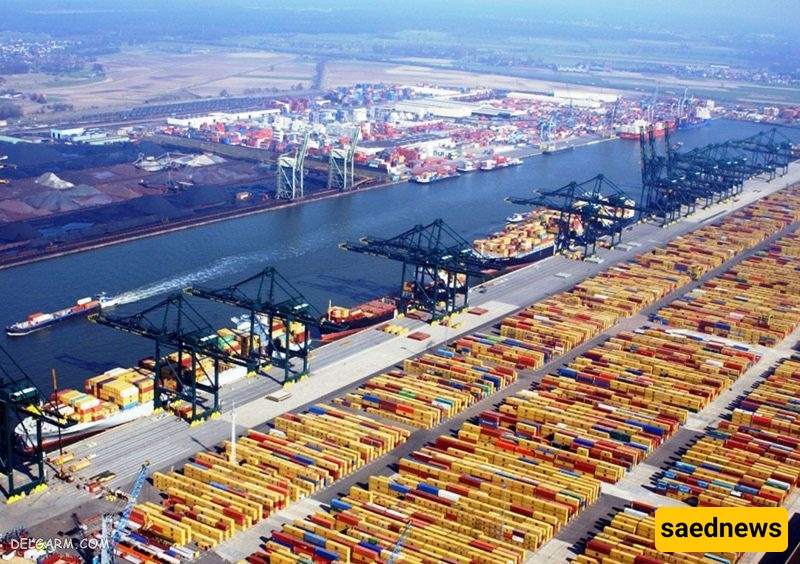
Europoort is an area of the Port of Rotterdam and its surrounding industrial zone in the Netherlands. It is one of the major attractions associated with Rotterdam’s enormous port.
Located southwest of the mouths of the Rhine and Meuse rivers, the area forms part of one of the busiest port regions in the world and serves as a major gateway to Europe. In 2015, the port handled approximately 12 million containers.
Europoort is highly industrialized, with petrochemical refineries and storage tanks, bulk iron ore and coal facilities, as well as container and motor-vehicle terminals.
The area is situated along the southern shore of the Nieuwe Waterweg in the Maasvlakte area.
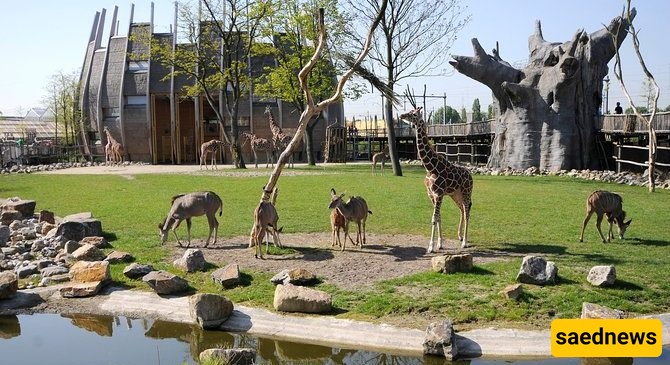
One of the oldest zoos in the Netherlands, Rotterdam Zoo was founded in 1857 and is one of the city’s most beautiful places for leisure and recreation.
Young elephants, red pandas, and many other fascinating animal species make this zoo a wonderful place to discover wildlife.
Asian animals, recreated tropical forests featuring groups of exotic birds, the Mongolian steppes, bat caves, Chinese gardens, and numerous native species are just some of the attractions of this unique zoo.
Another remarkable feature is its marine-life section and impressive aquarium, which houses a variety of animals from the depths of the oceans, including species from the Americas.
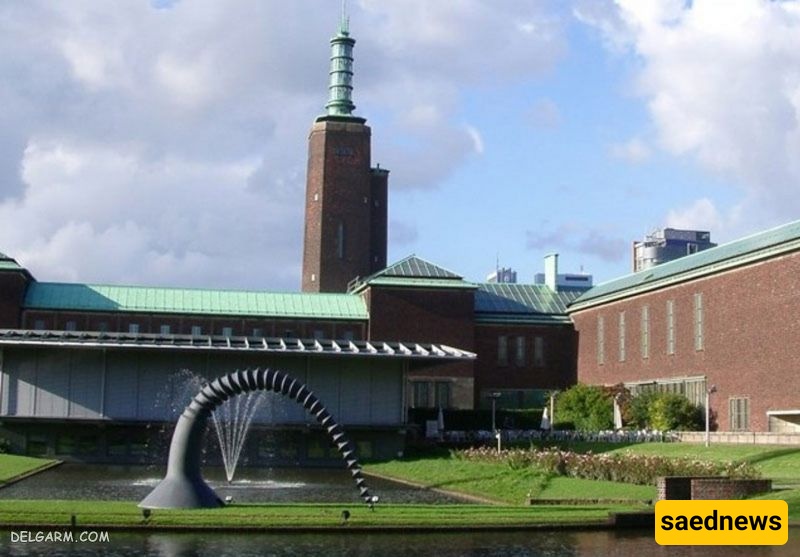
Museum Boijmans Van Beuningen is one of the most important art institutions in the Netherlands and Europe. It is renowned for its outstanding collections of paintings, sculptures, and applied and decorative arts from across Europe.
Painters from the 14th to 16th centuries are particularly well represented, including Hubert and Jan van Eyck, Hieronymus Bosch, and Pieter Bruegel.
The 17th century is represented by Rembrandt and Rubens, while later centuries feature artists such as Monet, Gauguin, and Van Gogh.
Modern artists represented in the collection include Picasso, Matisse, and Chagall.
Another noteworthy museum is Wereldmuseum Rotterdam, an ethnographic museum founded in 1883. It contains impressive displays of artifacts from ancient and modern cultures around the world.
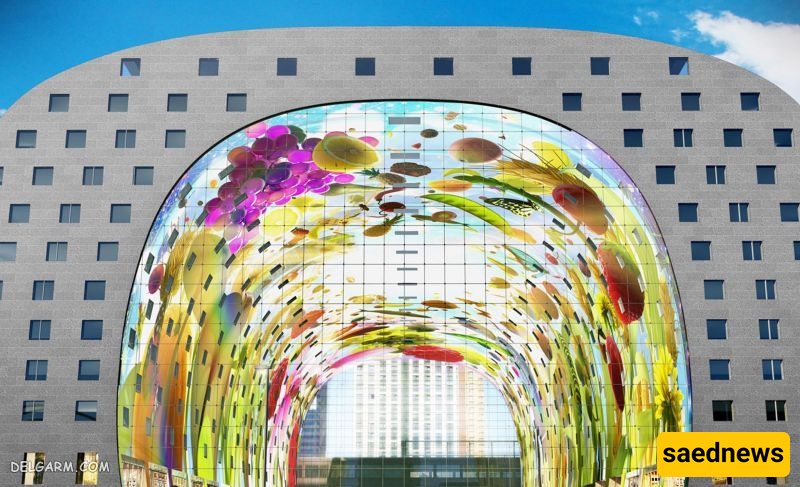
One of the busiest gathering places in Rotterdam is this spectacular market hall, which reopened in 2014.
The market’s enormous, high, arched ceiling is covered with huge artwork depicting vegetables, fish, and other foods.
The market itself is something of a cultural city within the city, offering a wide variety of meats, vegetables, and prepared foods. Numerous fast-food outlets and restaurants serve everything from Dutch favorites to Spanish dishes and Indian cuisine.
To experience the true pulse of life in Rotterdam and enjoy discovering new flavors, be sure to include this market on your itinerary.
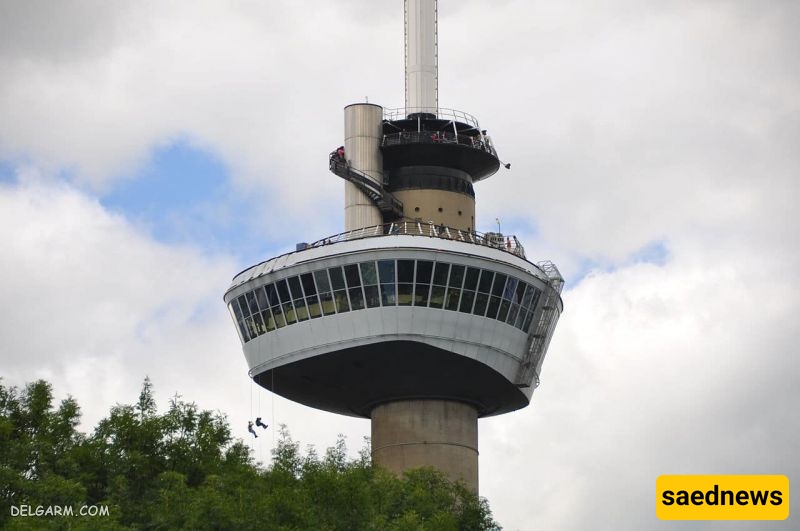
One of Rotterdam’s most prominent landmarks is the Euromast, located near the northern entrance of the Maas Tunnel.
This 185-meter-high tower was built in 1960. It features two restaurants offering spectacular views of Rotterdam, with both located approximately 92 meters above the ground.
For adventurers and thrill-seekers looking for more than simply enjoying the views from the top, the tower offers the opportunity to descend by abseiling. Visitors can also spend the night in one of two suites located approximately 100 meters above sea level.
English-speaking tour guides are also available at the tower to answer visitors’ questions.
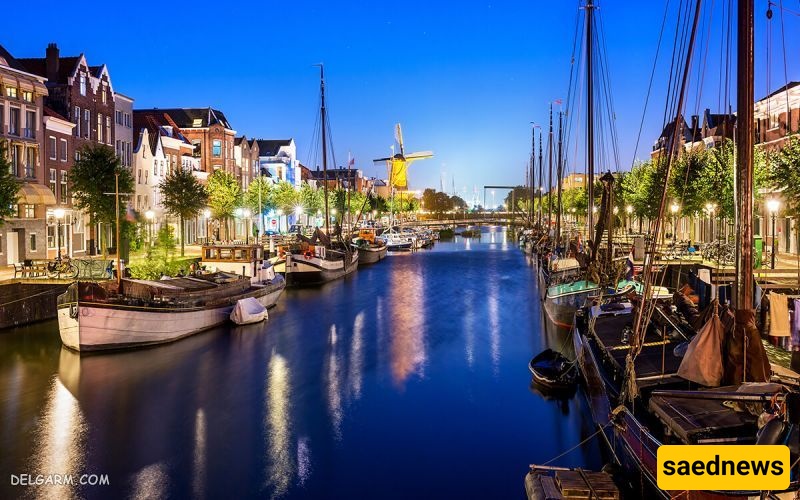
The historic district of Delfshaven, which escaped much of the destruction suffered by other parts of Rotterdam during World War II, is one of the city’s most popular and lively areas.
The area is highly regarded by the Dutch because it is associated with the legendary Dutch figure Piet Hein, a prominent figure from the 16th and 17th centuries who played an important role during the long conflict between the Netherlands and Spain.
Americans also recognize the area for its Old Church, which was the last place where the Pilgrims worshipped before sailing in 1620 to the New World and what would later become Massachusetts.
A visit to the Dubbelde Palmboom Museum is also worthwhile. Housed in a 19th-century warehouse, the museum contains numerous objects related to Rotterdam’s history, including archaeological discoveries, engravings, and historic military equipment. It is particularly appealing to anyone interested in history.