SAEDNEWS: Deylam is renowned for its lush green landscapes and abundant natural springs.
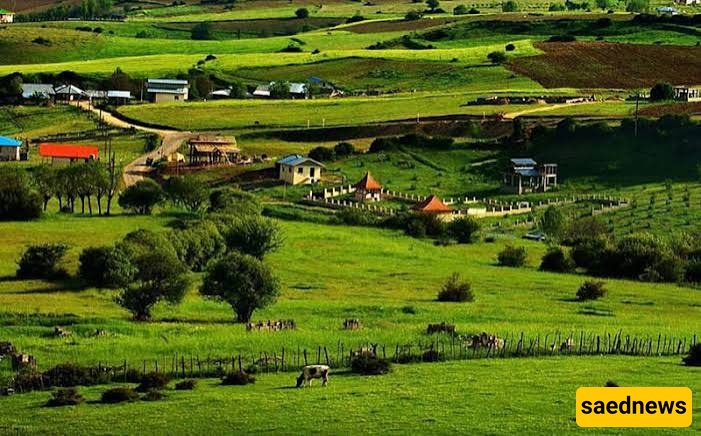
According to Saednews, Deylaman, often regarded as one of the gems of Gilan, is a town in Siahkal County, Gilan Province, that attracts many visitors throughout the year.
This lush highland region enjoys a pleasant climate, which has made it particularly popular among travelers.
Northern Iran is one of the country’s most visited regions. During the summer holidays and short breaks throughout the year, many Iranians travel to the north to enjoy its green landscapes, fresh air, and beautiful natural surroundings.
Like other parts of northern Iran, Deylaman is home to a variety of plants and animals. Its rich vegetation gives the area a distinctly green and scenic appearance.
Deylaman is located in Gilan Province and, like many other parts of the province, has a humid climate with considerable rainfall.
However, because of its mountainous terrain, Deylaman also enjoys cool and cold weather, which is one of the area’s attractions.
The town of Deylaman is part of Siahkal County and is located about 15 kilometers from Lahijan. It is connected to Lahijan to the north and northeast and to Langarud to the east.
The towns of Amlash and Rudsar lie southeast of Deylaman, while its western and southwestern areas extend toward Rasht and Rudbar.
Siahkal County consists of two districts: the Central District and Deylaman District.
Deylaman is also home to the beautiful, snow-covered Mount Drafak, which adds to the region’s spectacular scenery.
Seeing the white peak of Drafak rising above the lush forests is an impressive sight. The mountain is also of particular interest to hikers, mountaineers, and cave explorers.
There are two well-known caves in the mountain, notable for their unusual rock formations and stalactites. One contains rocks resembling humans and various animals, while the other is famous for its impressive ice formations.
Like other areas of northern Iran, Deylaman has diverse flora and fauna, while its abundant vegetation creates a beautiful green landscape.
In addition to its pleasant climate and pristine natural scenery, the town has several historical and natural attractions, including Lounak Waterfall, Qaleh Kooti, Ti Ti Caravanserai, Garmavar Castle, the Historic Deylaman Bathhouse, Imamzadeh Seyyed Saleh, Imamzadeh Seyyed Ebrahim, Imamzadeh Seyyed Esmail, the Tomb of Imamzadeh Torar, Kutul Shah Castle, the Abi Nam recreational area, the ancient Kuh Pas region, Espahdan Cave, and Lua Ali Cave.
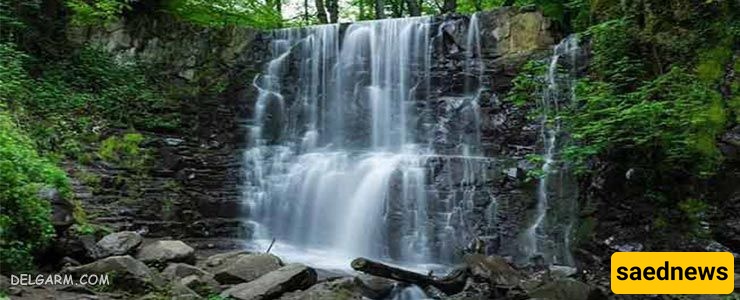
Lounak Waterfall is a beautiful natural attraction located about 22 kilometers south of Siahkal, on the right side of the road. Surrounded by forest trees, the waterfall has a peaceful and distinctive atmosphere and is a suitable place for a short stay or temporary rest.
In the Deylami language, “Kooti” means hill. Since many villages in this region were built on hills and designed in the form of fortresses, the area became known as Qaleh Kooti.
Some of these historic fortifications are still standing, including Kaferkol, Mikāl Qaleh Kooti, and Kafer Castle.
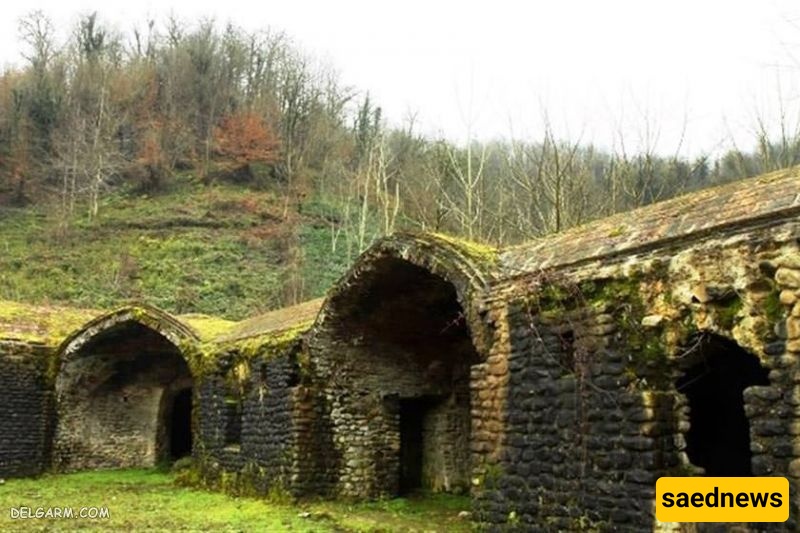
About 15 kilometers along the Siahkal–Deylaman road stands the historic Ti Ti Caravanserai. The structure was built with river stones and bricks using a mixture of plaster and traditional mortar.
In the past, the caravanserai served as a resting place for travelers journeying from Siahkal and Deylaman toward Taleqan.
The word “Ti Ti” means “blossom” in the Deylami language. The caravanserai was reportedly commissioned by a woman named Ti Ti Khanom from the Safavid family.
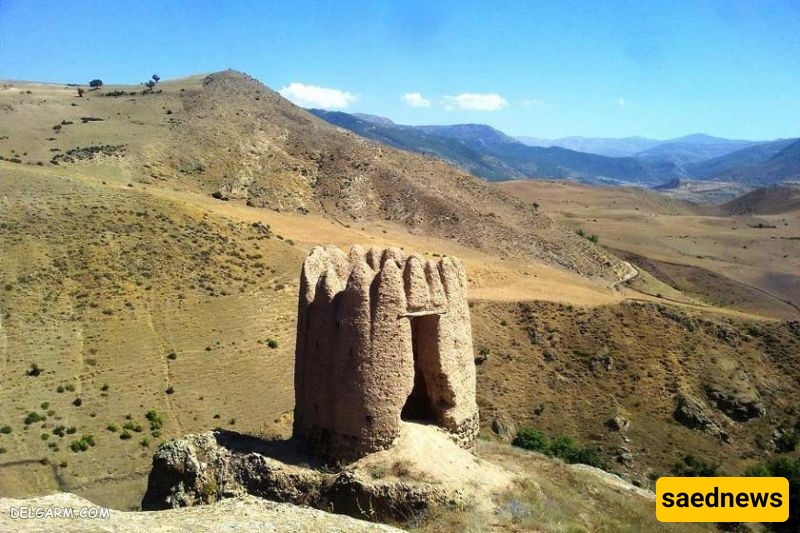
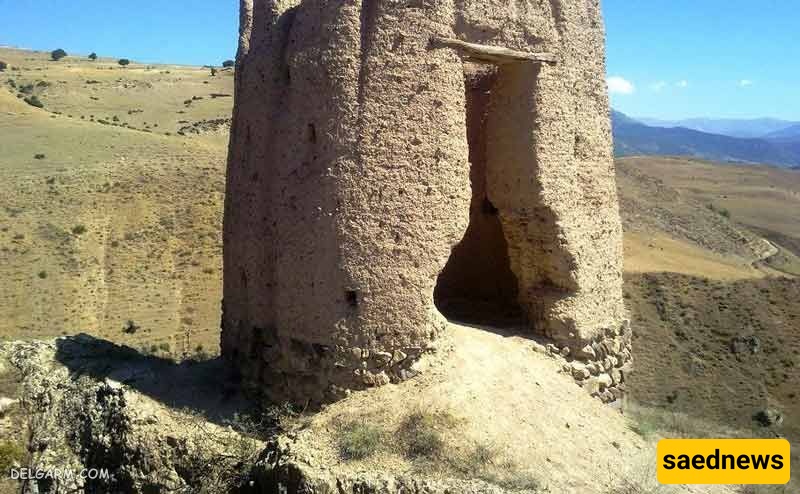
A castle bearing the same name stands in the village of Garmavar and is believed to date back to the pre-Islamic period.
The castle was built on a high rocky outcrop approximately 60 kilometers from Siahkal. Its overall structure suggests that it may have been used as a lookout and defensive observation post.
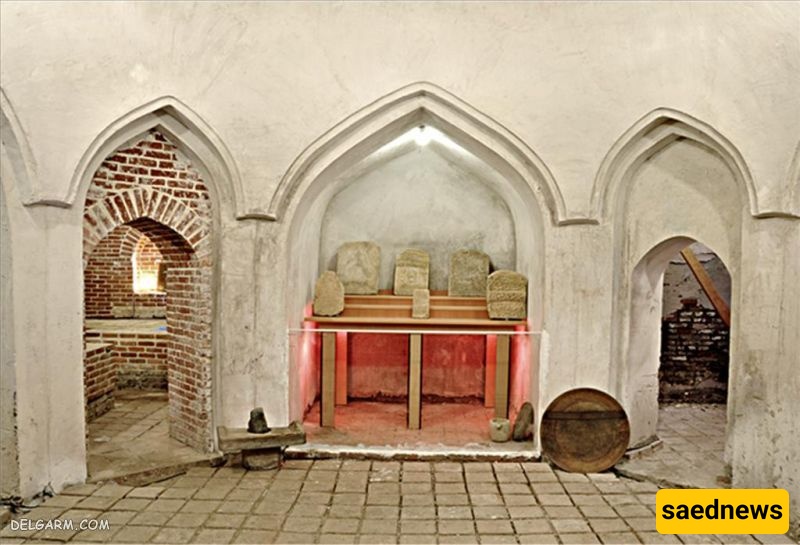
The Mir Bolook Bathhouse, also known as the Historic Deylaman Bathhouse, is a Qajar-era structure consisting of three main domes and two smaller domes. The building also features several openings that provided natural light.
Many people living in Deylaman and the Ashkorat region prefer to use the Khorgam route because of its proximity to the Qazvin road.
To travel to Deylaman from Rasht, you first need to drive approximately 42 kilometers toward Lahijan. From Lahijan, take the southern road toward Siahkal, a route of around 15 kilometers surrounded by dense and beautiful forests.
After reaching Siahkal, continue for approximately 45 kilometers toward Deylaman. The road is quite winding, so vehicles generally have to travel at a relatively low speed.
Fortunately, the Siahkal–Deylaman road is paved and generally in good condition, making the journey relatively comfortable.
If you are planning to visit this beautiful highland destination, the best time to travel is from around mid-May to the end of summer.
Deylaman is also particularly beautiful during autumn, although fewer tourists typically visit during this season.
Visitors generally spend around two or three days in the area, which is enough time to explore its natural scenery, historical attractions, forests, and surrounding villages.