SAEDNEWS: The Devil’s Nose: An Unforgettable Journey Through Ecuador’s Legendary Railway
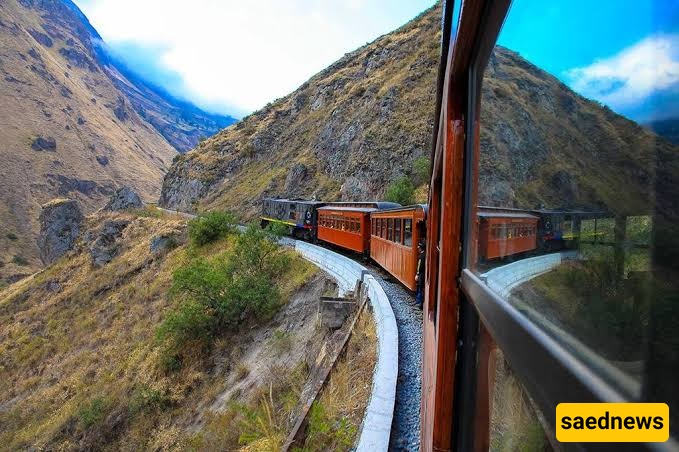
According to Saednews, Ecuador once embarked on an ambitious railway project intended to connect a coastal city with the nation’s capital, Quito, and boost tourism and trade. However, the decision sparked fierce disagreement across the country, with both supporters and opponents questioning the enormous human cost the project was expected to bring.
But what made people so fearful of this railway, and why did so many believe that building it would come at such a terrible price?
A partnership was formed between the Ecuadorian government and North American investors, and construction of the railway began in 1899. Building a railway through the steep mountain terrain was far from easy. Almost anything could disrupt the project and potentially lead to a devastating loss of life.
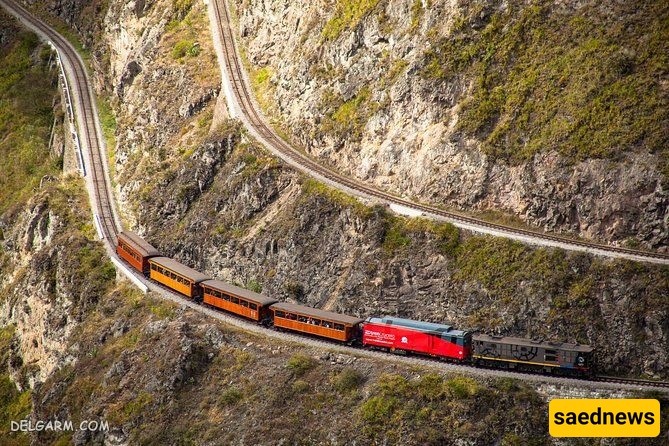
Frequent earthquakes, heavy rainfall, dangerous wildlife such as jaguars, venomous snakes, malaria, and yellow fever were among the many threats that could delay construction and endanger the workers.
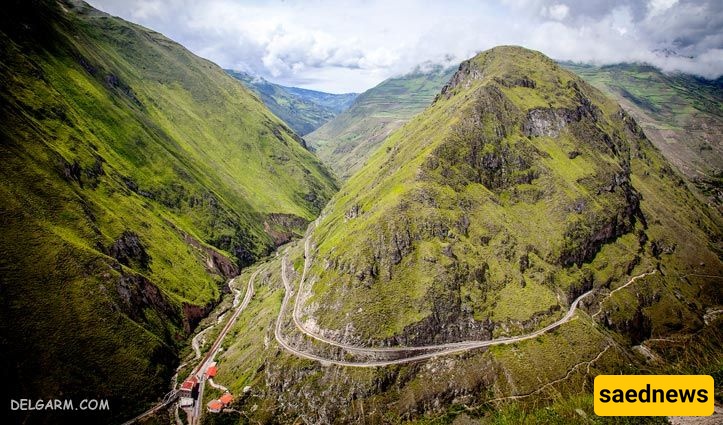
Perhaps the most challenging section of the entire railway was a massive rock formation known as the Devil’s Nose. To reach the top of the roughly 800-meter-high cliff, engineers had to carve tracks directly into the rock. They also had to carefully design the route so that heavy rain could flow down the mountain without destroying the railway.
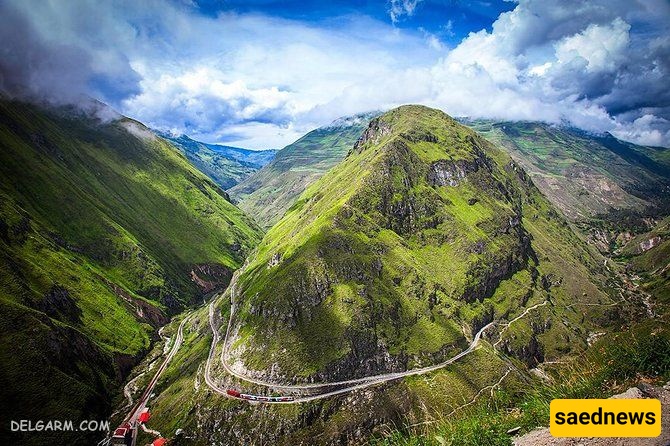
According to a local belief, the Devil himself had placed the rock formation there because he did not want a railway to be built through that area. People feared that anyone who challenged this supposed wish would have to pay a terrible price.
Sadly, the construction of the railway did result in a huge loss of life. From the beginning to the completion of the project, around 2,000 workers reportedly died from various causes, including disease, exhaustion, and the harsh weather and working conditions.
Many of these workers had come from other countries in the hope of earning good wages. Among them were also prisoners sentenced to hard labor. They had reportedly been promised that if they completed the project, they would be able to earn their freedom.
The railway eventually became one of Ecuador’s most remarkable engineering achievements—but its construction came at a devastating human cost.