SAEDNEWS: Located in Aran and Bidgol, the Maranjab Desert is one of Iran’s most captivating destinations for desert exploration. With its golden sand dunes, historic Safavid-era caravanserai, and spectacular salt lake, it offers a remarkable blend of natural beauty and historical heritage.
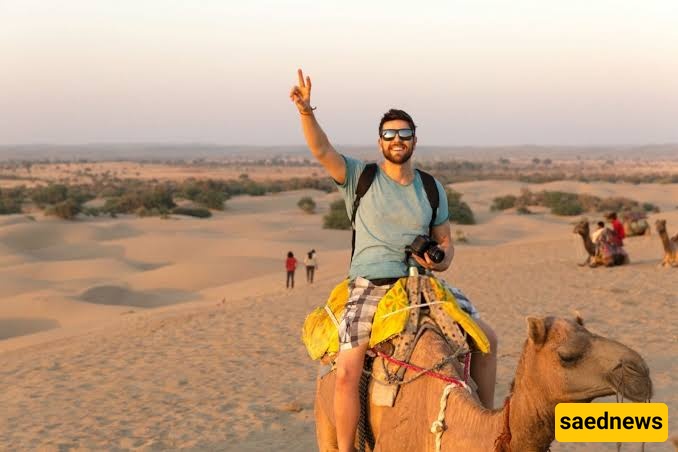
According to Saednews, Maranjab Desert, one of Iran’s most pristine and spectacular desert regions, lies in Isfahan Province near the city of Aran va Bidgol. With its vast golden sand dunes, historic caravanserai, and surrounding salt lake, the desert attracts thousands of travelers and desert enthusiasts every year. If you are looking for a different kind of experience—peace and solitude amid vast open landscapes, together with breathtaking star-filled skies—Maranjab Desert is one of Iran’s finest destinations.
Maranjab Desert is located on the northern outskirts of Aran va Bidgol and forms part of Iran’s central Dasht-e Kavir. To the north lies the Aran va Bidgol Salt Lake, while the region is bordered by mountains to the south and extensive sandy plains to the east. The area sits at an elevation of approximately 800–900 meters above sea level and has a very hot and arid climate.
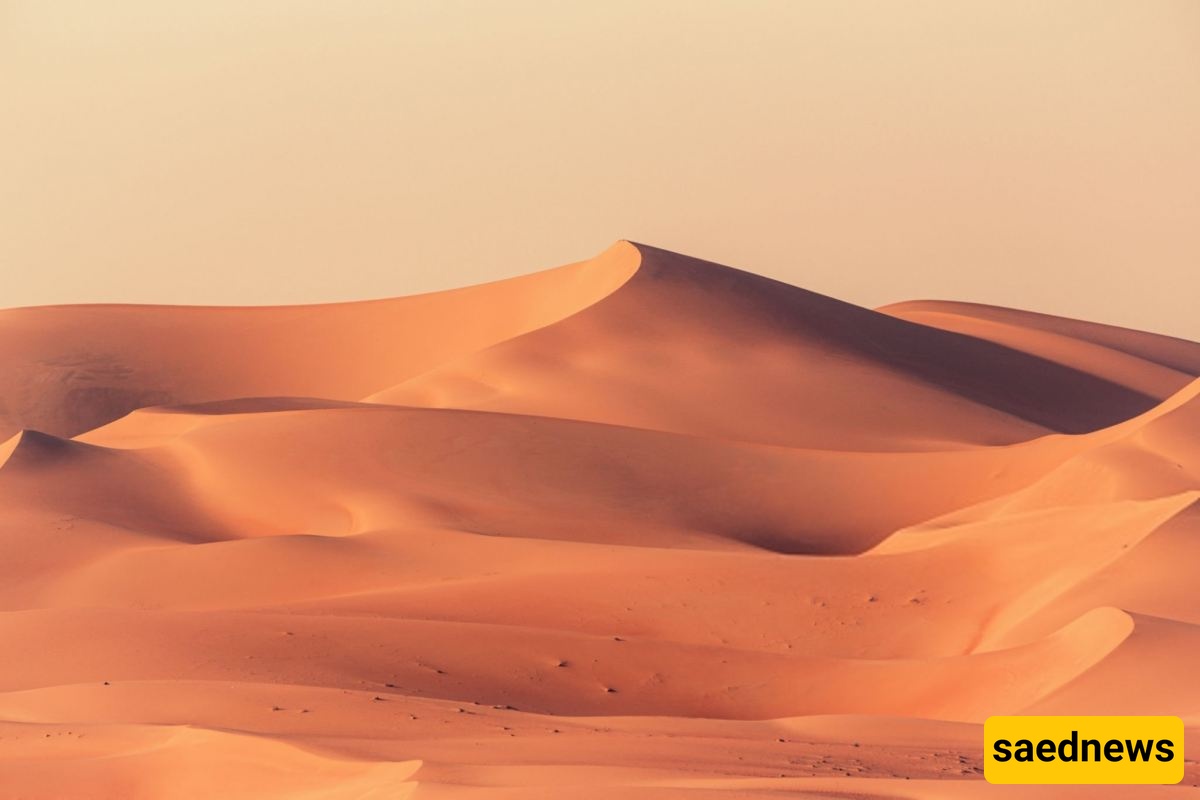
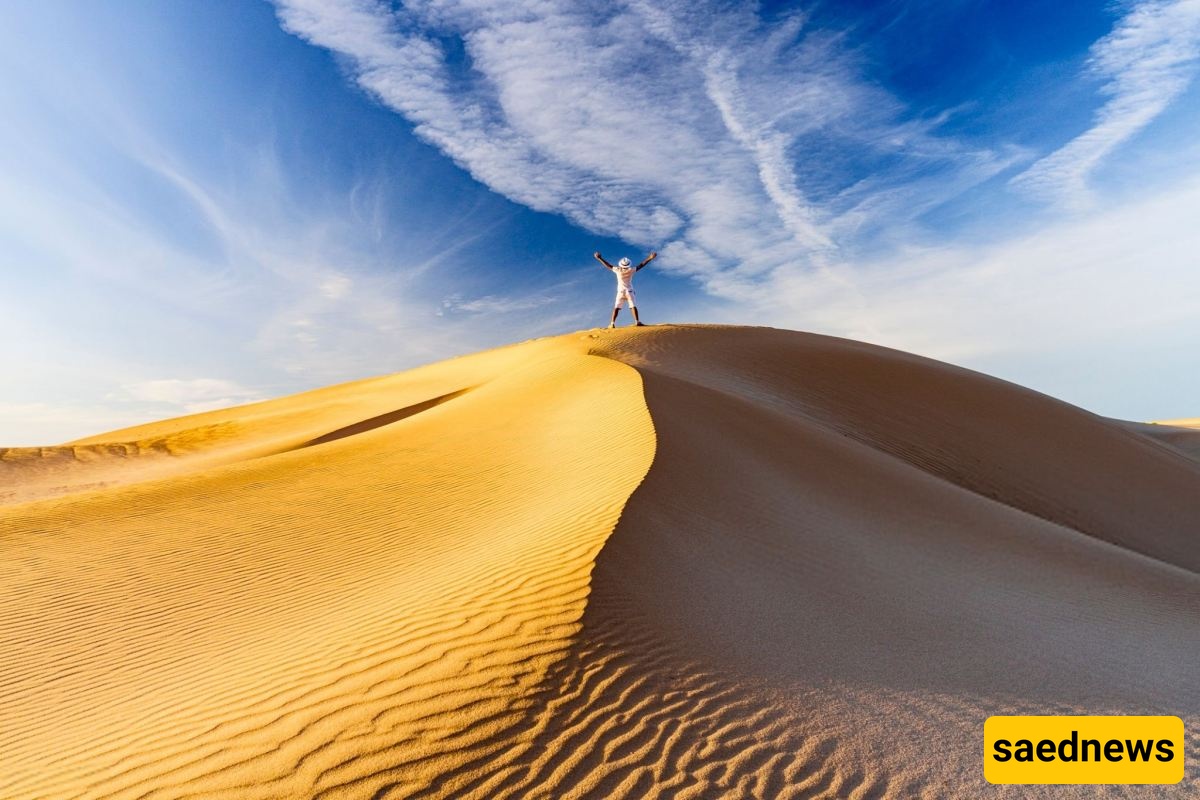
The defining landscape of Maranjab is its towering sand dunes, some reaching heights of up to 60 meters. The shifting sands and wave-like patterns formed across the dunes create mesmerizing scenery. To the north of the desert lies the salt lake, which becomes a seasonal wetland during rainy periods. During the rest of the year, its glistening salt deposits create an expansive white landscape. The striking contrast between golden dunes and brilliant white salt is one of the main reasons for Maranjab’s fame.
Maranjab is not only known for its natural beauty; it also has a rich historical heritage. The most important historical monument in the area is the Maranjab Caravanserai, built during the Safavid period. Located along an important section of the Silk Road and the ancient route connecting Isfahan with Khorasan, the caravanserai played a significant role in the commercial and cultural exchanges of its time.
With its red-brick construction and numerous domes, the caravanserai is a remarkable example of traditional Iranian architecture in the heart of the desert. Nearby, visitors can also find an old water reservoir and historic fortifications, some of which date back to the Ilkhanid period. Exploring these monuments offers a fascinating glimpse into Iran’s historic desert routes and caravan culture.
To reach Maranjab Desert, travelers should first make their way to Aran va Bidgol, located approximately 220 kilometers from Tehran and 15 kilometers from Kashan. After arriving in Aran va Bidgol, an asphalt road leads north toward the Maranjab region. After traveling roughly 50 kilometers along this route, visitors reach the desert entrance and Maranjab Caravanserai.
For exploring the deeper parts of the desert and its sand dunes, a capable vehicle—such as a four-wheel-drive vehicle—or an organized desert tour is strongly recommended. Sandy tracks can be hazardous for ordinary cars. Travelers can also join reputable tour operators that provide transportation and local guides.
Kashan Airport is the nearest airport to the area, while international visitors generally reach the region through Tehran or Isfahan.
Desert Trekking and Camel Riding
One of the main activities in Maranjab is walking across the dunes and exploring the desert landscape. The soft sand and remarkable tranquility create an unforgettable experience. Camel riding is another popular attraction. Traveling slowly through the dunes on camelback, accompanied by the sound of camel bells, evokes the atmosphere of ancient caravan journeys.
Camping and Stargazing
Because Maranjab is far from major sources of urban light pollution, it is considered one of Iran’s excellent destinations for observing the night sky. After sunset, the clear desert sky reveals countless stars, with the Milky Way often visible in remarkable detail.
Many visitors spend the night at desert camps or around the caravanserai, enjoying the silence and spectacular night sky. For astrophotography enthusiasts, the desert provides an exceptional setting.
A visit to Maranjab Caravanserai is an essential part of any trip to the region. Its central courtyard, surrounding chambers, and defensive towers illustrate the military and commercial architecture of the Safavid era.
Visitors can explore parts of the historic structure and gain an impression of how merchants and travelers once lived during their long journeys across the desert. Sunset from the rooftop of the caravanserai also offers a magnificent panoramic view over the surrounding dunes.
The Aran va Bidgol Salt Lake, located north of Maranjab, is another attraction worth exploring. For much of the year, the lakebed is dry and covered with sparkling salt crystals. Walking across the salt-covered landscape and watching sunlight reflect from its surface can be a remarkable experience.
During wetter seasons, water accumulates in parts of the lake, creating temporary wetlands that can attract migratory birds.
Maranjab’s dunes are particularly spectacular around sunrise and sunset. As the changing light transforms the sand from golden to orange and eventually deep red, the landscape becomes an ideal subject for photography.
The profound silence of the desert, combined with the gentle movement of wind across the dunes, creates an atmosphere of deep tranquility. Photographers from Iran and around the world visit Maranjab to capture these distinctive landscapes.
Because Maranjab has an extremely hot and dry climate, autumn, winter, and early spring are generally the best seasons to visit. Temperatures are more comfortable during these months, while the intense summer heat is avoided.
Even in winter, daytime temperatures can be pleasant, but nights can become very cold, so warm clothing is essential. During summer, temperatures can often exceed 40°C, and travelers should avoid spending extended periods outdoors during the hottest part of the day and must carry sufficient drinking water.
Weekends can be considerably busier than weekdays. Travelers seeking a quieter experience may prefer visiting during the working week.
Desert travel can become dangerous without proper preparation. Keep the following precautions in mind:
Carry sufficient drinking water, with several liters per person as a minimum. Dehydration is one of the most serious risks in the desert.
Wear clothing appropriate for the season. During the day, use a hat, sunglasses, and sunscreen; at night, bring warm clothing.
Check the vehicle thoroughly before departure and make sure the fuel tank is full. Sandy routes require suitable vehicles.
Travel with a local guide or reputable tour operator, and avoid venturing alone into remote and unfamiliar areas.
Respect the desert environment. Do not leave waste behind or damage fragile soil formations and vegetation.
For meals and accommodation, consider using the services of the caravanserai and nearby eco-lodges.
Maranjab is close to several other natural and historical attractions that can easily be incorporated into a wider itinerary. The city of Kashan, famous for its historic houses, Fin Garden, and traditional bazaar, is only a short distance away.
In Aran va Bidgol itself, visitors can explore religious sites and the city’s historic fabric. The village of Abu Zeydabad is also located near Maranjab and is known for its smaller desert landscapes and traditional pigeon towers.
Combining these destinations with a visit to Maranjab can turn a desert excursion into a broader and more memorable journey through central Iran.
Travelers have several accommodation options in and around Maranjab. Historically, Maranjab Caravanserai served as a resting place for travelers, and part of the complex has since been restored for traditional accommodation.
Guests can stay in simple but atmospheric rooms within the historic caravanserai. For those who prefer a closer connection with nature, camping in designated areas is another option.
The desert nights are peaceful and spectacularly star-filled, but facilities can be limited. Visitors should therefore be prepared for basic conditions and a simpler style of travel.
Tourism has become an increasingly important source of income for local communities in Aran va Bidgol. Many local families earn their livelihoods by providing accommodation, transportation, guiding services, and traditional handicrafts.
Responsible tourism in Maranjab can contribute to local employment while helping preserve the region’s cultural and natural heritage. However, excessive use of natural resources and damage to the fragile desert environment could have serious ecological consequences.
Every visitor therefore has a responsibility to respect the environment and local culture. By traveling responsibly, avoiding unnecessary damage, and supporting local communities, travelers can help preserve Maranjab Desert as one of Iran’s most remarkable natural and cultural treasures.