SAEDNEWS: Nestled on the slopes of the Alborz Mountains, Polur Village is one of Tehran Province’s notable tourism destinations, known for its pristine landscapes, mineral springs, and strategic location along the route to Mount Damavand, Iran’s highest peak.
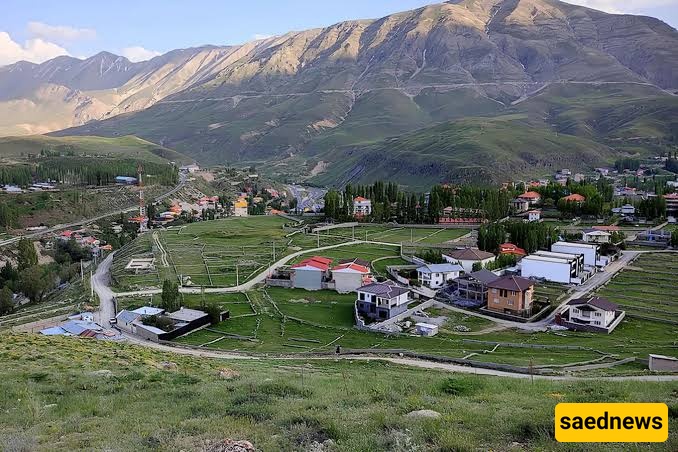
According to Saednews, Nestled among the lush foothills of the Alborz Mountains and beside the legendary peak of Mount Damavand, the ancient and pristine village of Plour stands as one of the remarkable natural destinations in Tehran Province. Located in Damavand County, Plour is not only considered one of the province’s most beautiful tourist destinations, but also holds special importance as the last major settlement before climbers begin their ascent of Mount Damavand. With its unspoiled landscapes, pleasant mountain climate, and rich history, Plour welcomes thousands of tourists, mountaineers, and nature enthusiasts from across Iran and around the world every year.
This article explores the different aspects of Plour Village in Damavand, from its geographical setting and historical background to its natural attractions, local culture, and opportunities for sustainable tourism development.
Plour Village is located approximately 65 kilometers northeast of Tehran along the Haraz Road, which connects Tehran with Amol and the Caspian region. The village lies at approximately 35°50′ north latitude and 52°03′ east longitude, at an elevation of around 2,200 meters above sea level.
Its considerable elevation gives Plour a mountainous climate, with mild summers and cold, dry winters. The average annual temperature is around 9°C, while winters are characterized by heavy snowfall. In some years, snow can affect access roads for several months.
One of Plour’s most distinctive features is its location along the important Haraz transportation corridor. This strategic road connects Tehran to Mazandaran Province and the Caspian Sea, making Plour one of the more frequently visited mountain villages in the region.
Plour is also situated near protected natural areas, including the Lar Protected Area and Lar National Park, further increasing the ecological and natural significance of the surrounding landscape.
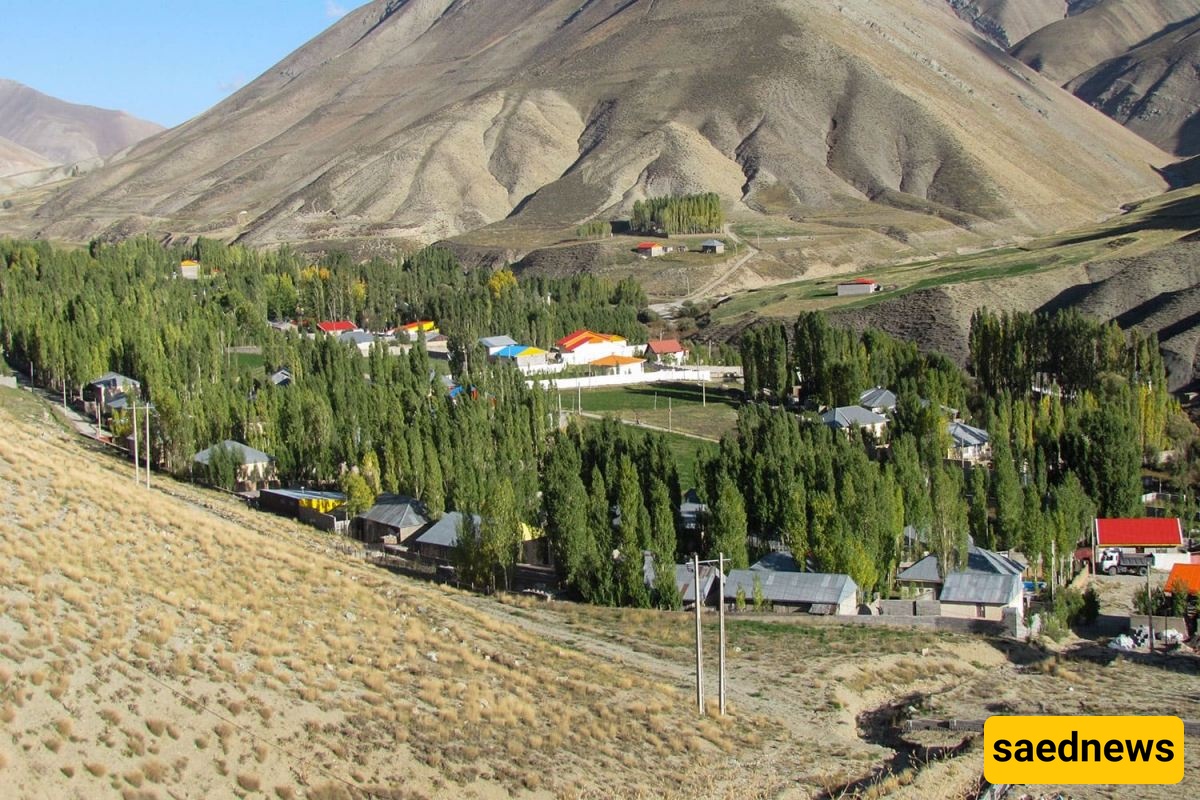
Plour has a long history and is regarded as one of the ancient settlements in the Damavand region. Historical evidence suggests that the area served as a route for caravans and a place of settlement for different communities since ancient times.
Its position along the historic route through the Haraz Valley toward Mazandaran contributed to trade and cultural exchange in the area. One of Plour’s notable historical monuments is a stone four-arched structure located in the village’s old cemetery. Dating back to the Parthian and Sasanian periods, the structure has been registered as a national heritage site in Iran and holds considerable archaeological value.
Historical texts also refer to Plour as an important stop along the route between Ray and Tabaristan, corresponding roughly to present-day Mazandaran. Some researchers believe that the name “Plour” may have originated from ancient words associated with the concepts of a passageway or gateway, reflecting the village’s historical role as a connection between different regions.
During the Safavid and Qajar periods, Plour also attracted attention because of its strategic location. Fortifications and observation towers were reportedly constructed in and around the area.
Plour is undoubtedly one of the richest areas in Tehran Province when it comes to natural attractions. Mountain landscapes, rushing rivers, mineral springs, and green alpine plains make the village an appealing destination for hikers, climbers, and nature lovers.
The most prominent attraction of Plour is its exceptional location on the slopes of Mount Damavand. From the village, visitors can enjoy impressive views of the mountain’s iconic volcanic cone.
Standing at approximately 5,671 meters, Mount Damavand is the highest peak in Iran and one of the most prominent volcanic mountains in the Middle East. Plour is one of the principal bases for climbers attempting the southern route to the summit, and many Iranian and international mountaineers begin their journey from this area.
Beyond Damavand itself, Plour is close to the Lar Plain, one of Iran’s most beautiful mountain plains, known for its remarkable variety of plants and wildlife.
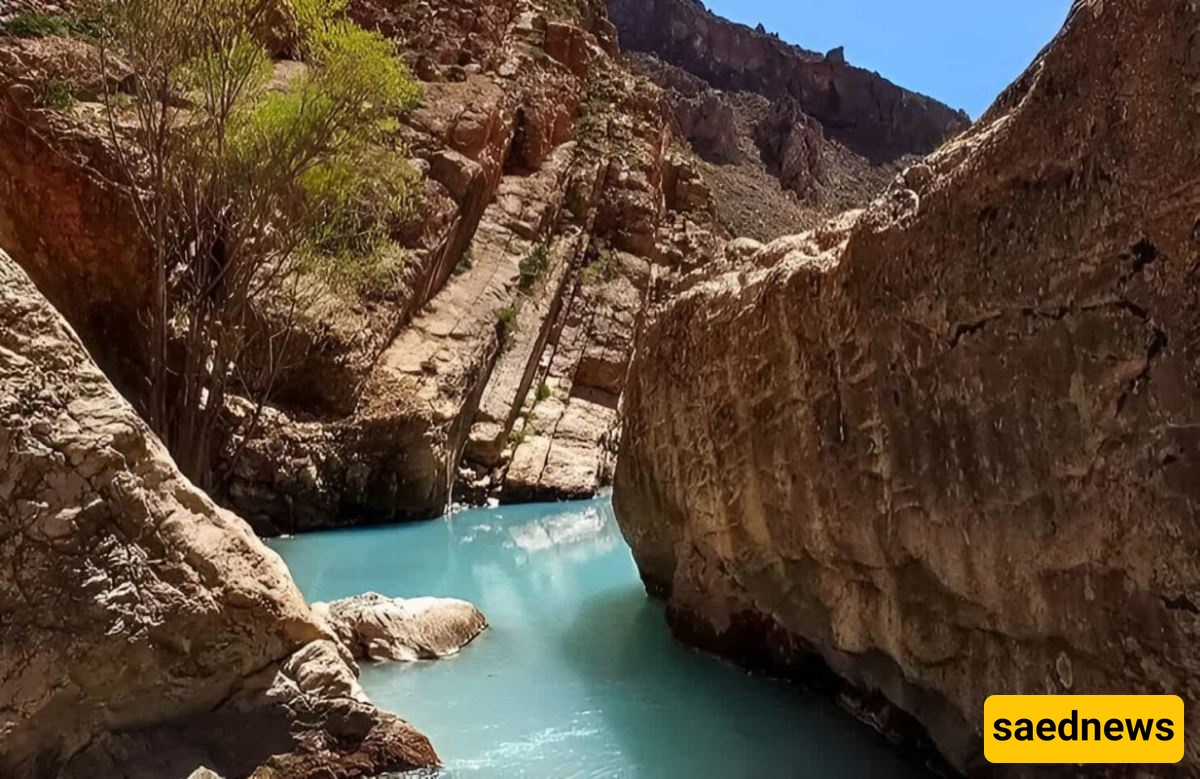
Numerous mineral springs can be found around Plour, originating from the volcanic slopes of Mount Damavand. Their waters contain various mineral compounds, including sulfur, calcium, and sodium, and are traditionally associated with therapeutic properties.
During the warmer months, many visitors travel to the area to enjoy these mineral waters. Tirgar Hot Spring, located near Plour, is among the better-known springs in the region.
The Haraz River rises in the Alborz highlands and flows near Plour, creating picturesque scenery along its course. During spring and summer, the riverbanks become popular spots for visitors and picnickers.
The sound of rushing water among the rocks and trees creates a peaceful atmosphere, while the surrounding landscape offers excellent opportunities for photography and enjoying the outdoors.
The area surrounding Plour contains numerous deep valleys and steep mountain ridges suitable for hiking, mountaineering, and rock climbing.
Bazelâr Valley, the Siah-Chal Ridge, and the Haraz gorges are among the region’s better-known natural features and attract outdoor enthusiasts throughout the year.
The vegetation is also diverse, including tragacanth shrubs, wild barberries, damask roses, and a variety of naturally growing medicinal plants. During different seasons, flowering plants add vibrant beauty to the mountain landscape.
The people of Plour speak Mazanderani, also known as Tabari, with a dialect characteristic of the Damavand area. Culturally and ethnically, the local community reflects a blend of Tat and Tabari traditions.
Residents have traditionally been involved in agriculture and livestock farming, while tourism-related services have become increasingly important in recent years.
Major agricultural products include wheat, barley, potatoes, and various medicinal plants. Livestock farming is largely traditional, with sheep and goats being raised locally. Traditional dairy products, including cheese and yogurt, are among the well-known local products associated with the region.
Local customs form an important part of Plour’s cultural identity. Traditional Nowruz celebrations, seasonal agricultural ceremonies, and religious mourning rituals during Muharram are among the occasions through which visitors can experience aspects of local life.
The hospitality and friendliness of local residents toward travelers are also among the cultural characteristics frequently appreciated by visitors.
In recent years, tourism development in Plour has received greater attention. The village and its surrounding area offer a range of facilities for visitors, including:
Eco-lodges and guesthouses: Several traditional eco-lodges and guesthouses operate in and around Plour, offering locally inspired architecture and hospitality.
Traditional restaurants and food outlets: Local dishes and mountain-style kebabs form part of the culinary experience for visitors.
Mountain rescue services: Given the high number of mountaineers traveling toward Damavand, rescue and emergency facilities have been established along access routes.
Road access: The paved Haraz Road generally provides convenient access by car, except during severe winter conditions. Its relatively short distance from Tehran also makes Plour suitable for day trips.
Despite its many attractions, Plour faces several challenges. The large influx of visitors during holidays and peak travel periods places additional pressure on natural resources and the local environment.
Improper waste management, pollution of the Haraz River, and damage to vegetation are among the environmental issues that require greater attention. The village’s historic fabric and archaeological monuments, including the stone four-arched structure, also require continuous restoration and preservation.
At the same time, Plour has significant opportunities for future development.
Sustainable tourism and ecotourism, particularly when developed in cooperation with local communities, could create employment and income while helping protect the region’s natural and cultural heritage. The international recognition of Mount Damavand and the ecological importance of the Lar region could also provide opportunities to attract more international visitors.
The development of local handicrafts and organic agricultural products could further diversify the village economy and create additional sources of income for residents.
Plour can be considered one of the brightest natural and cultural destinations in Tehran Province. Blessed with extraordinary attractions such as Mount Damavand, the Lar Plain, mineral springs, and a long historical heritage, the village offers visitors a unique combination of nature, adventure, and local culture.
Its importance extends beyond its role as a major starting point for climbing Iran’s highest mountain. Plour is also a destination in its own right for hiking, nature exploration, mountain tourism, and experiencing traditional highland life.
Although the village faces challenges in tourism management and environmental conservation, its future can be strengthened through sustainable development and meaningful participation by the local community. Achieving this goal will require careful planning, targeted investment in infrastructure, environmental protection, and public education.
Plour may already be familiar to mountaineers, but it still has many unexplored opportunities that could transform it into one of Iran’s leading centers for ecotourism and mountain tourism.
A journey to Plour is ultimately an opportunity to experience the grandeur of nature alongside the authenticity of Iranian mountain culture—a memorable encounter in the shadow of majestic Mount Damavand.