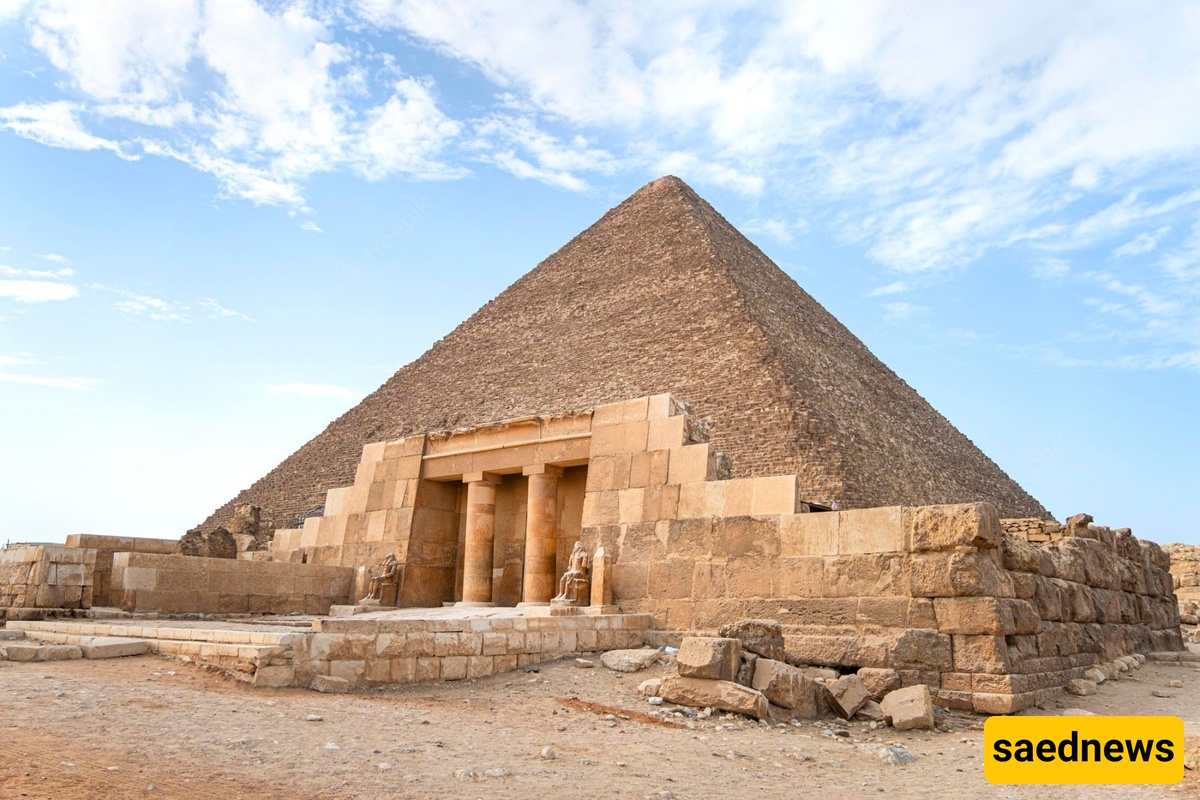
SAEDNEWS: The Great Pyramid of Giza is one of the largest and most beautiful pyramids in Egypt. This historic and ancient structure is an important architectural masterpiece with many fascinating historical attractions. It is also one of the most significant wonders of the ancient world.
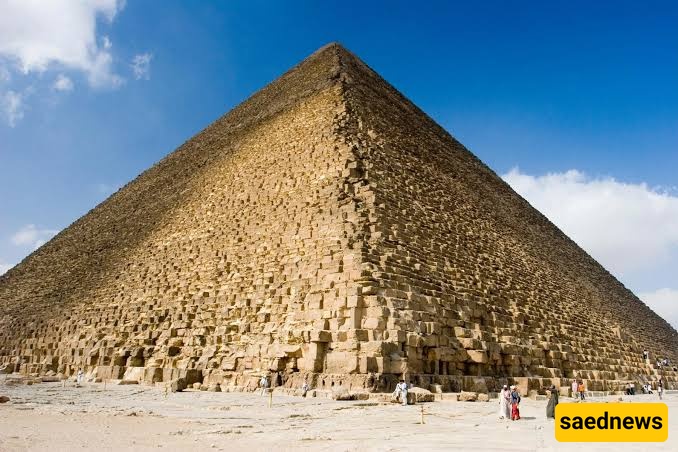
According to Saednews, Egypt is one of the countries with a remarkably ancient and significant historical heritage. Today, it is home to some of the world’s most important historical structures, including the Great Pyramid of Giza. The pyramid dates back to approximately 2600 BC. The enormous scale and grandeur of these structures, combined with their extraordinary age, continue to attract worldwide attention.
Ancient Egypt is renowned for its rich civilization and fascinating history, as well as its remarkable archaeological monuments. Many people associate Egypt with its magnificent pyramids, which are among the most recognizable ancient structures in the world. The architecture of these pyramids is so impressive that they continue to attract large numbers of visitors from around the globe every year. The Great Pyramid is one of Egypt’s most famous attractions.
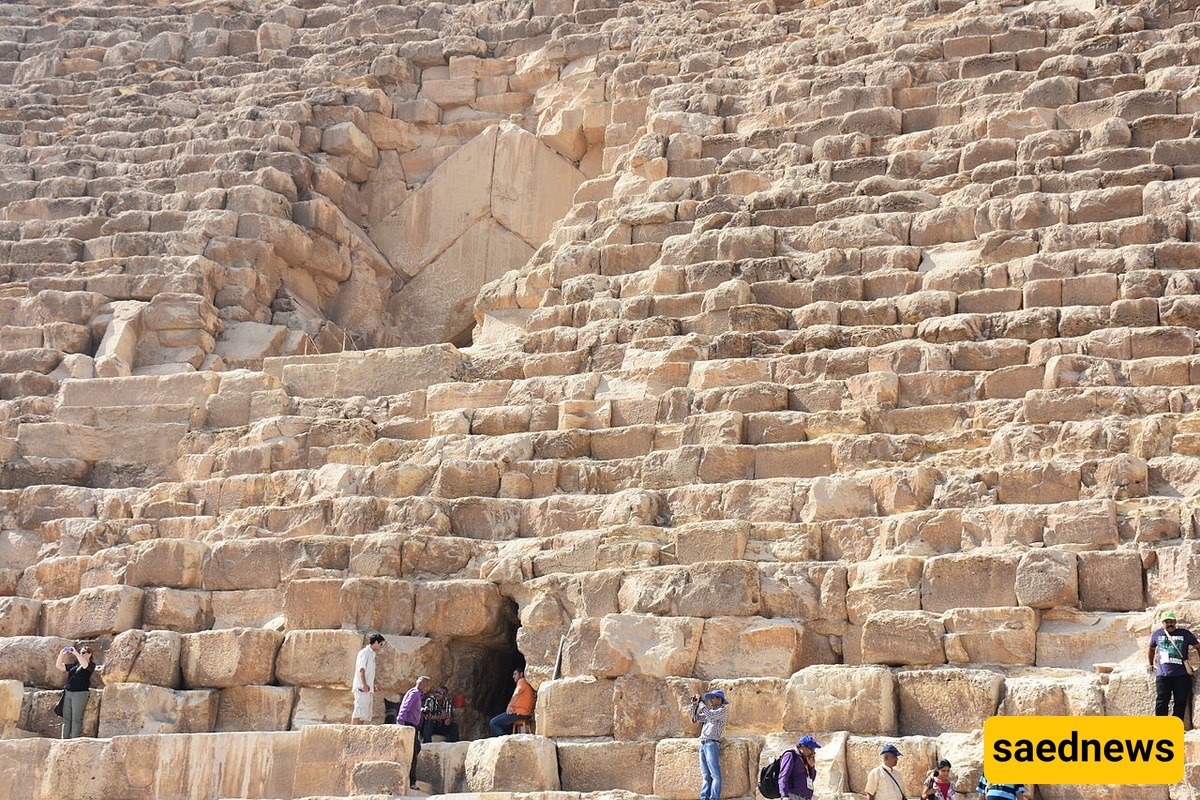
The Great Pyramid has several remarkable features. It was constructed alongside two smaller pyramids, forming the famous Giza pyramid complex. The pyramid was commissioned by Pharaoh Khufu and was later used as his burial place. Today, the three main pyramids are commonly known as the Giza pyramids.
The structures date to around 2600 BC. According to traditional accounts, construction of the Great Pyramid took approximately 20 years and involved a very large workforce. The scale of the project demonstrates the organizational and engineering capabilities of ancient Egyptian civilization.
The construction of the pyramid was an enormous undertaking that required the efforts of thousands of workers. Even today, standing before the structure can inspire a sense of wonder. Its immense size and sophisticated design have made it one of the most famous monuments in the world and one of the best-known wonders of antiquity.
The construction of the pyramids has also been associated with numerous historical theories and accounts concerning the difficult conditions faced by the workers. Modern archaeological research, however, suggests a more complex picture of the workforce and its organization than the traditional image of large numbers of enslaved people building the pyramids.
The Great Pyramid was originally about 147 meters (482 feet) high, making it one of the tallest structures ever built by humans at the time. Due to erosion and the loss of its original outer casing, its present height is approximately 139 meters.
Each side of its square base measures roughly 230 meters. The remarkable precision of its dimensions and alignment demonstrates the advanced mathematical, architectural, and engineering knowledge of ancient Egypt.
The interior of the pyramid contains several important spaces and passageways, adding another layer of mystery and fascination for visitors and researchers.
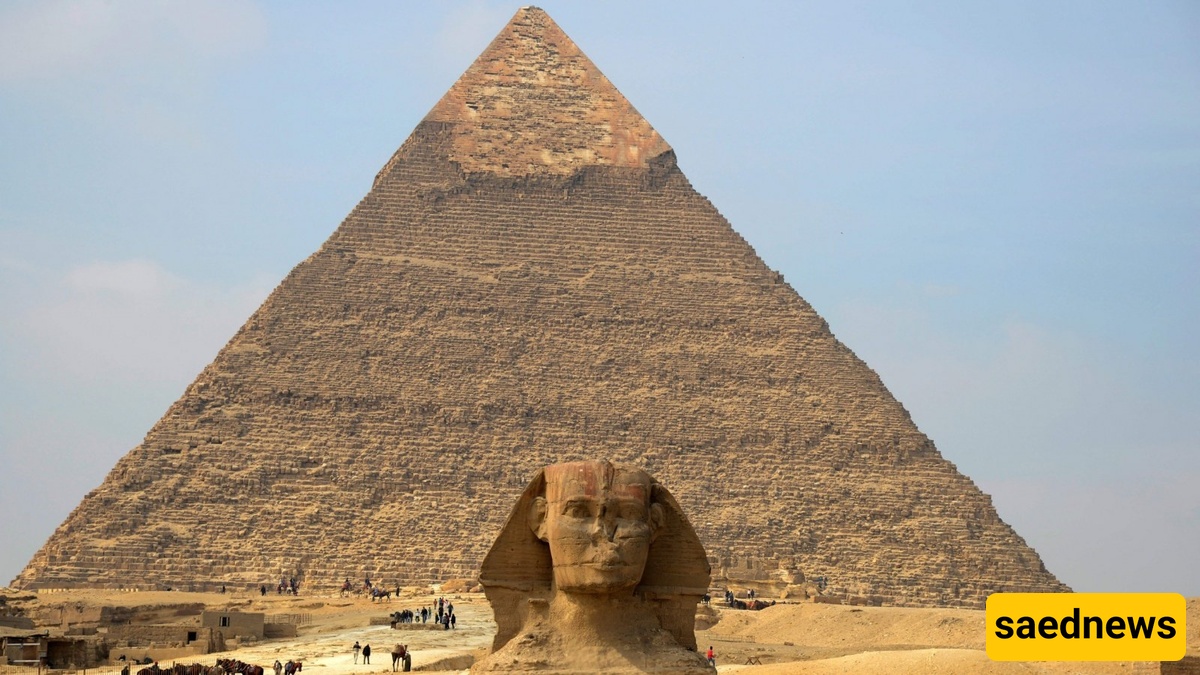
The pyramids held deep religious and cultural significance for the ancient Egyptians. They were built as monumental tombs for pharaohs and were connected to ancient Egyptian beliefs about death, the afterlife, and the journey of the soul.
For thousands of years, the Great Pyramid remained the tallest human-made structure in the world. Its extraordinary scale, precision, and longevity have helped establish it as one of the most enduring symbols of ancient Egyptian civilization.
Pharaoh Khufu, also known as Cheops, commissioned the Great Pyramid during his reign. Historical sources traditionally describe him as the ruler under whom this extraordinary monument was constructed.
The pyramid complex contains several important areas, including the King’s Chamber, the Grand Gallery, passageways, and other architectural features. Together, these elements provide valuable insight into the engineering achievements and religious traditions of ancient Egypt.