SAEDNEWS: The Umayyad Mosque, also known as the Great Mosque of Damascus, is the most significant mosque in Syria. It is located in the historic old city of Damascus.
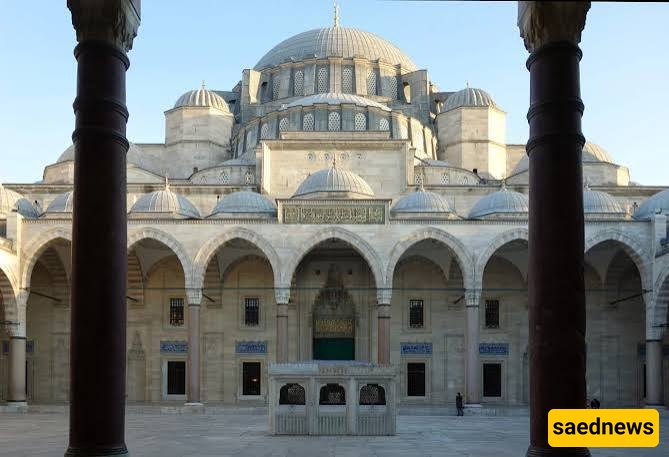
According to Saednews, The Umayyad Mosque in Damascus is one of the most remarkable achievements of Islamic architecture and civilization. Every year, it attracts Muslim visitors from around the world. Long before the arrival of Islam, the site was used as a place of worship by other religions. Today, it stands as one of the most important mosques and historical landmarks in Damascus.
The Umayyad Mosque is regarded as one of the oldest mosques in Syria. Located in the heart of Damascus, it is among the city's most significant historical, religious, and tourist attractions.
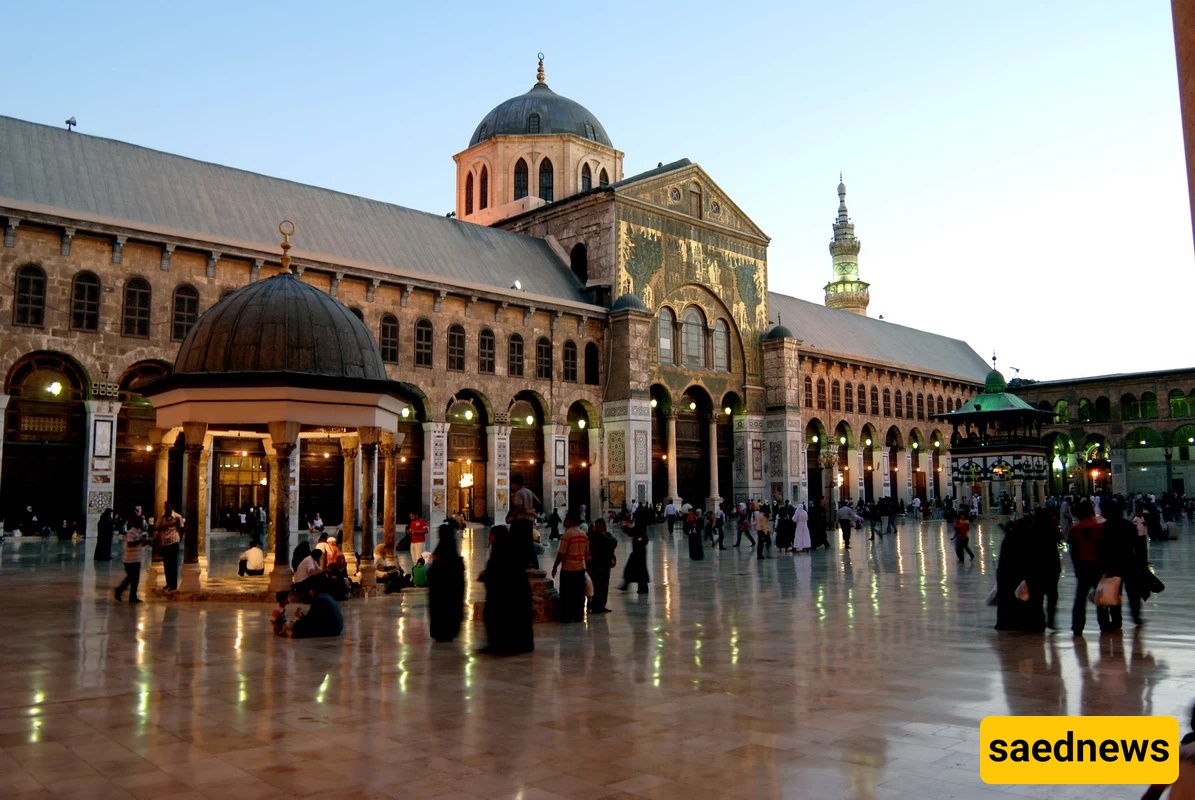
Damascus is the second-most populous city in Syria and the capital of Damascus Governorate. With its long history and numerous monuments, the city has played an important role in Islamic civilization. In 2008, Damascus was designated the Arab Capital of Culture, with its remarkable historical heritage—including the Umayyad Mosque—being one of the reasons for its selection.
The site of the Umayyad Mosque has been associated with religious worship for thousands of years. Before Islam, ancient temples stood in this location where people worshipped their deities.
According to historical accounts, approximately 4,000 years ago, a temple dedicated to the Zoroastrian deity Azar existed on the site. Azar was associated with fire and was regarded in Zoroastrian tradition as a force connected with goodness and the struggle against darkness and evil. The name Azar also appears in the Avesta, the sacred texts of Zoroastrianism.
Later, after Greek influence in Damascus declined, the Romans took control of the region. The Romans worshipped numerous gods and constructed temples dedicated to them. One of their principal deities was Jupiter, the god of thunder and the chief deity of the Roman pantheon.
After taking control of the existing religious complex, the Romans expanded the temple and dedicated it to Jupiter, their supreme god.
After the Muslim conquest of Damascus in the 7th century, the religious complex was gradually transformed into a place of Islamic worship. Before the mosque took its present form, part of the site had also been used by Christians as a church.
In 634 CE, Damascus was conquered by Muslim forces. Initially, Muslims and Christians shared the religious complex, with part of the building functioning as a church and another part serving as a mosque. This arrangement continued for a period of time.
Eventually, during the reign of the Umayyad caliph al-Walid ibn Abd al-Malik, the entire site was developed into a grand mosque for Muslims. The building subsequently became one of the most influential monuments of early Islamic architecture and has remained an important Muslim place of worship for centuries.
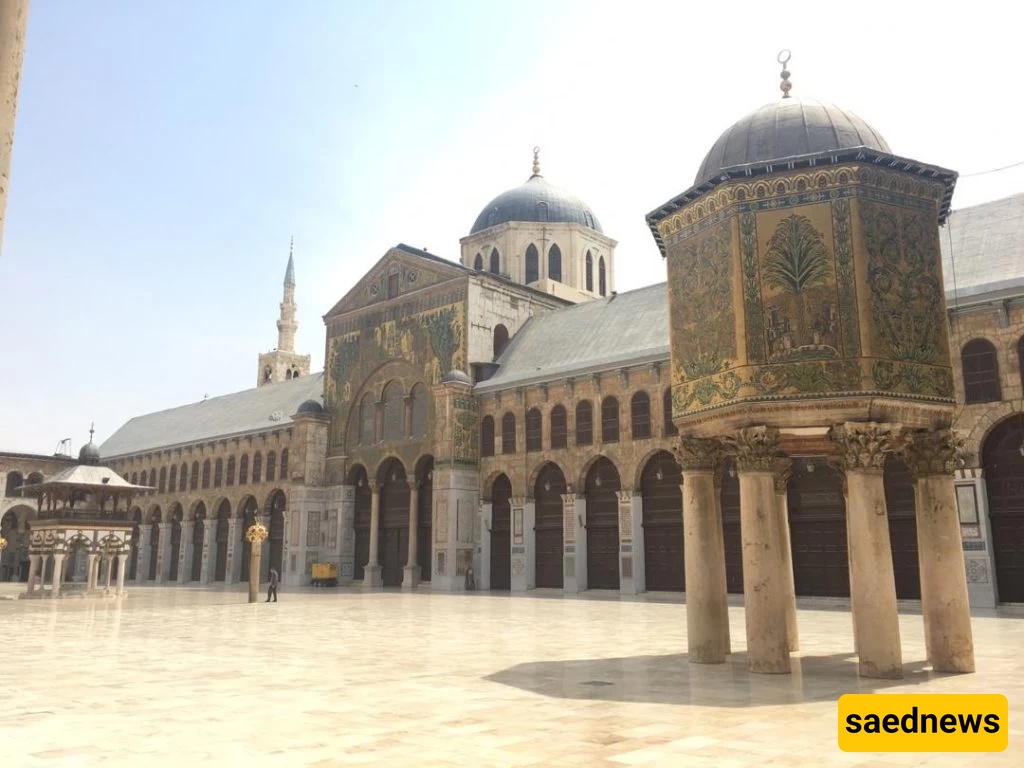
The Umayyad Mosque is widely regarded as a masterpiece of Islamic architecture. Craftsmen and architects from different parts of the Islamic world and the former Byzantine sphere contributed to its construction. The monumental project was completed over approximately eight years and involved thousands of workers.
The mosque has several entrances positioned around its large courtyard and prayer complex. Among the historic entrances are Bab al-Ziyadah, located near the qibla side, and Bab al-Natufiyyin on the northern side.
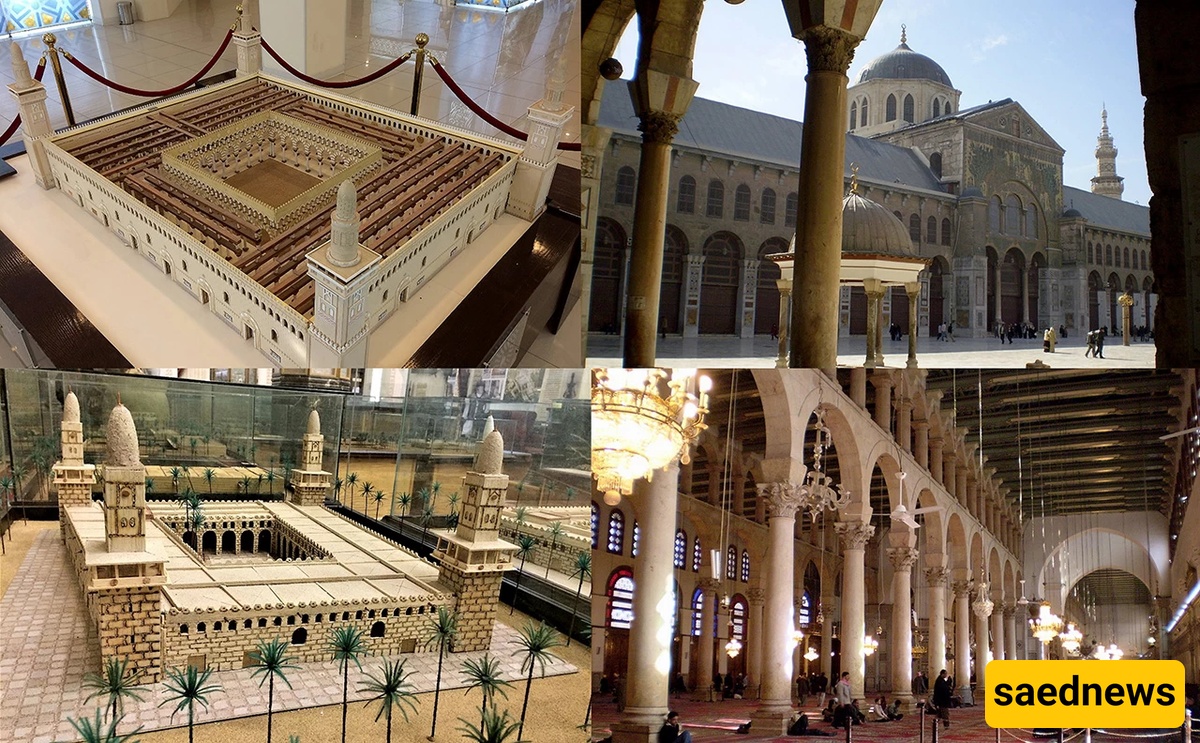
One of the mosque's most distinctive architectural features is its impressive prayer hall. The hall contains numerous columns supporting the structure, while larger structural supports carry the central dome.
The famous central dome is known as Qubbat al-Nisr, or the Dome of the Eagle. Rising more than 30 meters above the ground, the dome is one of the most recognizable features of the mosque. Its design and later restoration have contributed to the mosque's distinctive architectural character.
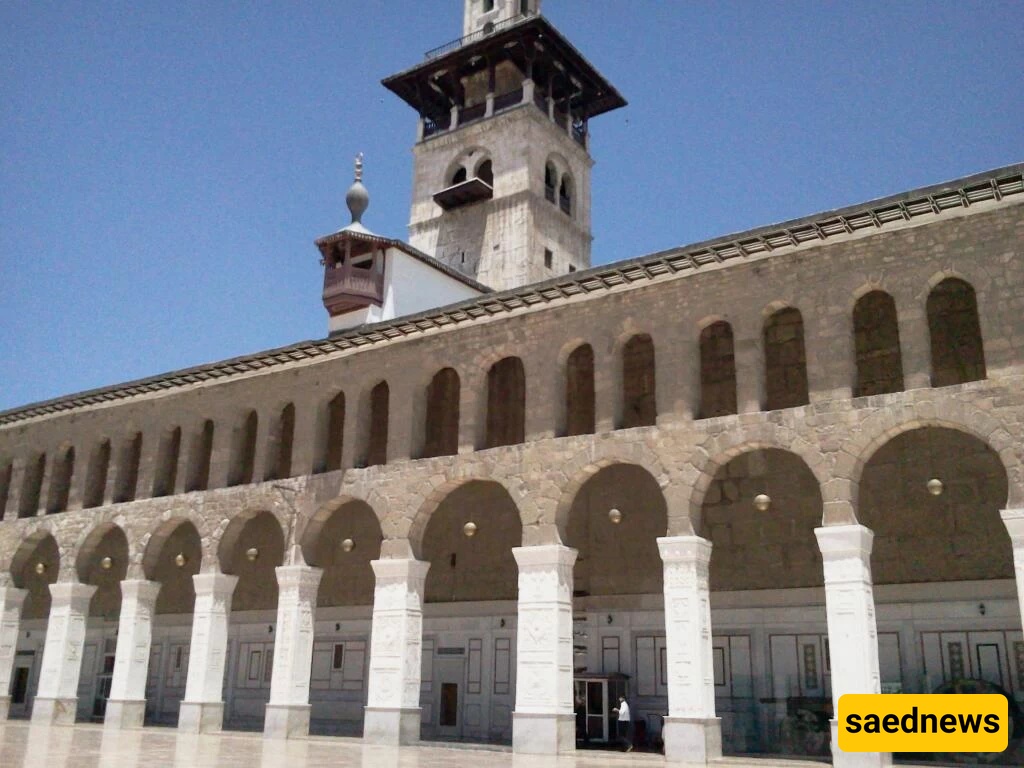
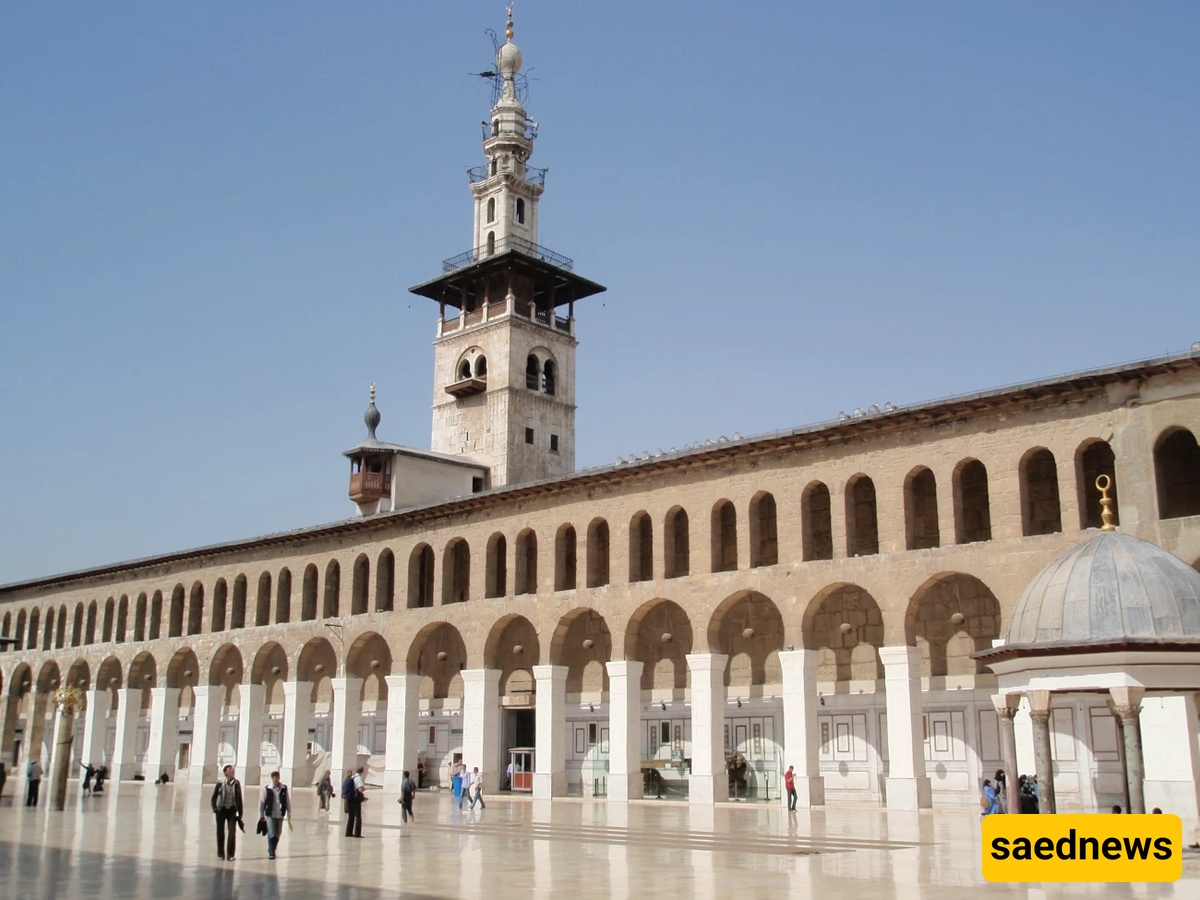
Another famous feature of the Umayyad Mosque is its minaret, traditionally known as the White Minaret. It has become one of the recognizable landmarks associated with the mosque and the historic center of Damascus.
Inside the prayer hall are four mihrabs, or prayer niches. These historically corresponded to the four major Sunni schools of Islamic jurisprudence: Hanafi, Hanbali, Shafi'i, and Maliki.
The central and larger mihrab is traditionally associated with the Maliki school. Two other mihrabs are located to its right and are associated with the Hanafi and Hanbali schools, while the mihrab on the left is associated with the Shafi'i school.
With its extraordinary history, monumental architecture, and religious significance, the Umayyad Mosque remains one of Damascus's most important landmarks. Its transformation from an ancient place of worship into one of the world's most celebrated early Islamic monuments reflects the many civilizations and religious traditions that have shaped the history of Damascus.
Today, the mosque continues to serve as an important center of Muslim worship while attracting visitors interested in Syria's rich architectural, cultural, and religious heritage.