SAEDNEWS: Magdeburg Cathedral, officially known as the Cathedral of Saints Catherine and Maurice, is a historic cathedral located in the city of Magdeburg, Germany.

According to Saednews, Germany is often remembered for its cuisine, sausages, disciplined culture, hiking traditions, castles, festivals, and much more. Berlin is known for its vibrant art scene and music, while magnificent cathedrals, historic castles, beautiful forests in the west, the Alps in the south, and historic cities across the country make Germany an attractive destination for travelers.
One of the country’s most remarkable surviving landmarks from the medieval period is Magdeburg Cathedral, a monument with centuries of religious, architectural, and historical significance.
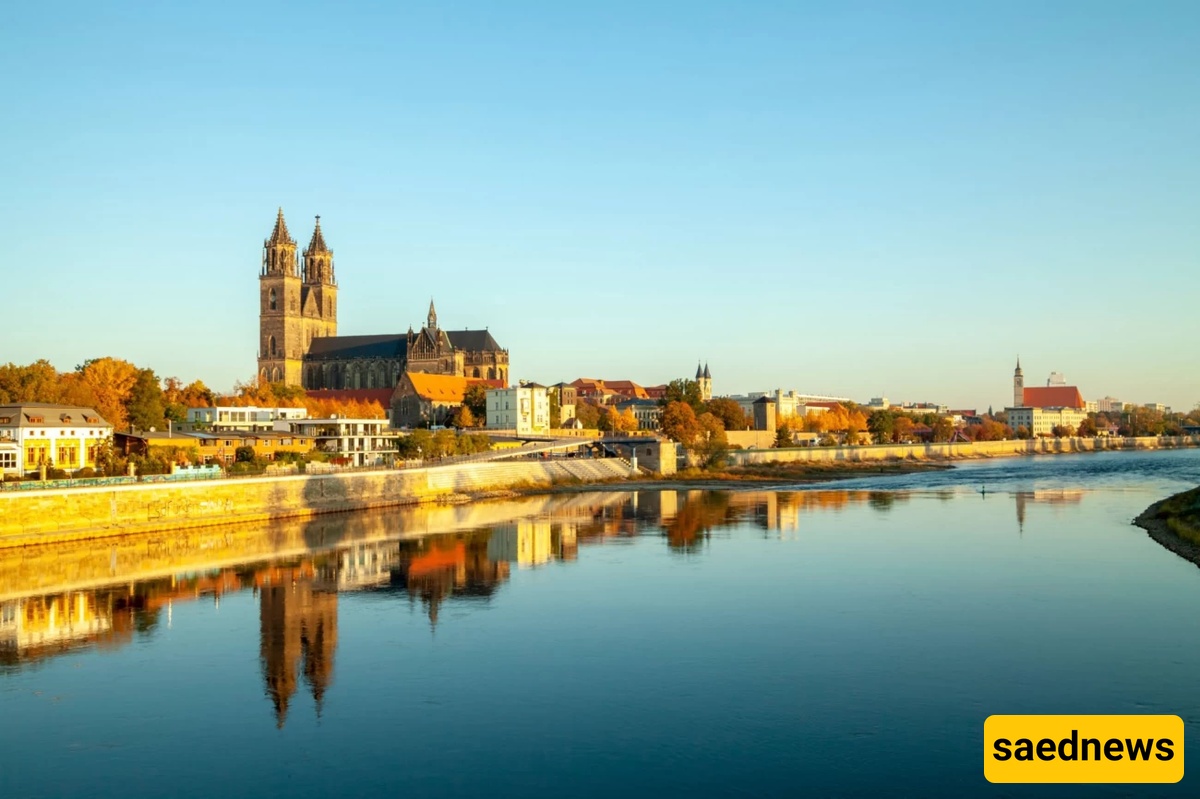
Magdeburg Cathedral dates back to the 13th century and is regarded as one of Germany’s earliest Gothic buildings. For around 800 years, it has remained one of the defining symbols of Magdeburg.
The cathedral is also the burial place of Otto the Great, the first Holy Roman Emperor and Duke of Saxony. Originally serving as the cathedral of the former Archbishopric of Magdeburg, the building is now an important center of the Evangelical Church in Central Germany.
Construction of the present cathedral began in 1209 and continued for more than 300 years. The cathedral towers were finally completed in 1520.
The site has an even older history. In 937, a monastery dedicated to Saint Maurice was established on the location of the present cathedral.
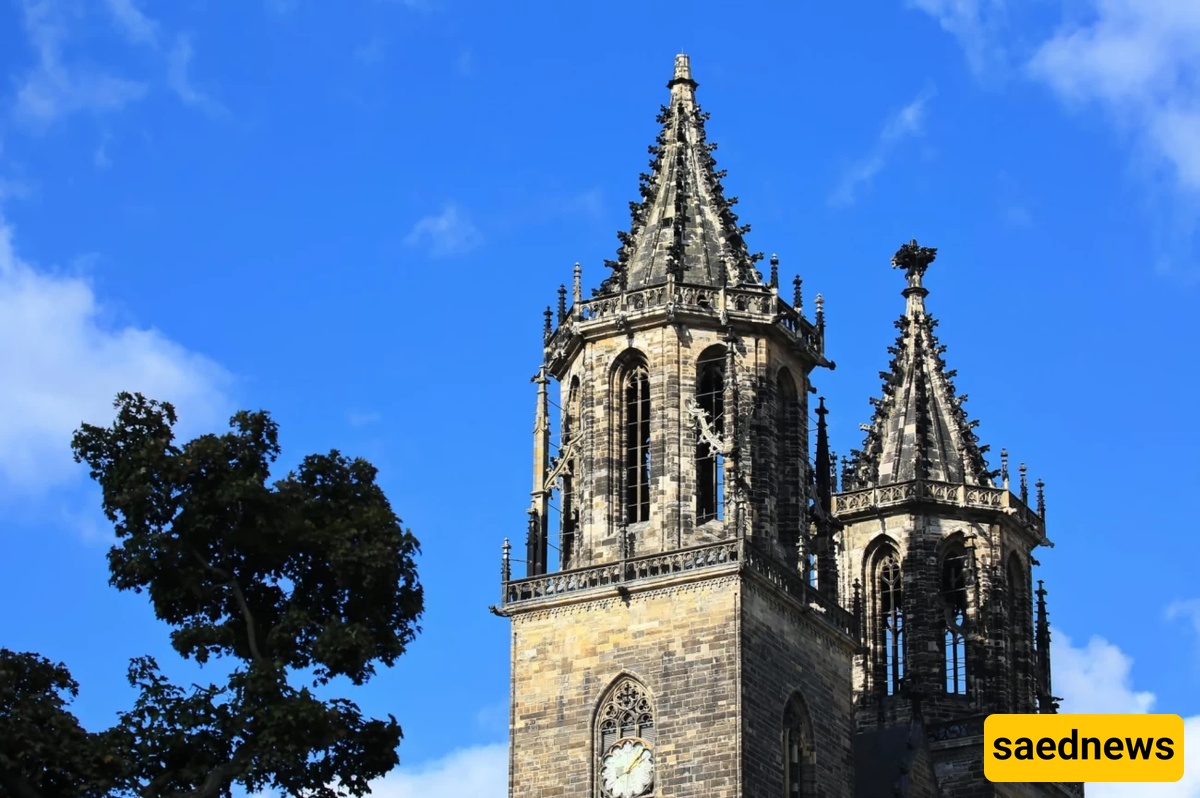
The cathedral’s interior measures approximately 120 meters in length, while the ceiling reaches about 32 meters in height. Its two towers rise to approximately 99.25 and 100.98 meters, making them among the tallest church towers in eastern Germany.
Despite being looted and damaged several times throughout its long history, Magdeburg Cathedral has preserved a remarkable collection of artistic and historical treasures.
Among the cathedral’s most notable features are ancient columns made from granite, marble, and porphyry, which were incorporated into the altar area. These stones were brought from Ravenna, Italy, in 937 for the construction of the original church.
Another remarkable artifact is a baptismal font made from red porphyry, a stone associated with the region near Aswan in Egypt.
The cathedral also contains the tomb of Otto I, ruler of the Holy Roman Empire, as well as a statue of Saint Maurice dating from around 1250. A royal couple sculpture from approximately the same period is also preserved here and is believed to represent Otto I and his wife.
Today, Magdeburg Cathedral stands as an impressive combination of medieval architecture, religious heritage, and European history, offering visitors a glimpse into more than a thousand years of the city’s past.