SAEDNEWS: Beneath the streets of Paris lies an extensive network of tunnels that was transformed into a vast underground burial site for the city’s former residents.
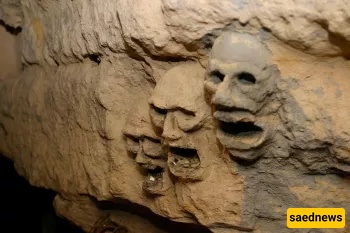
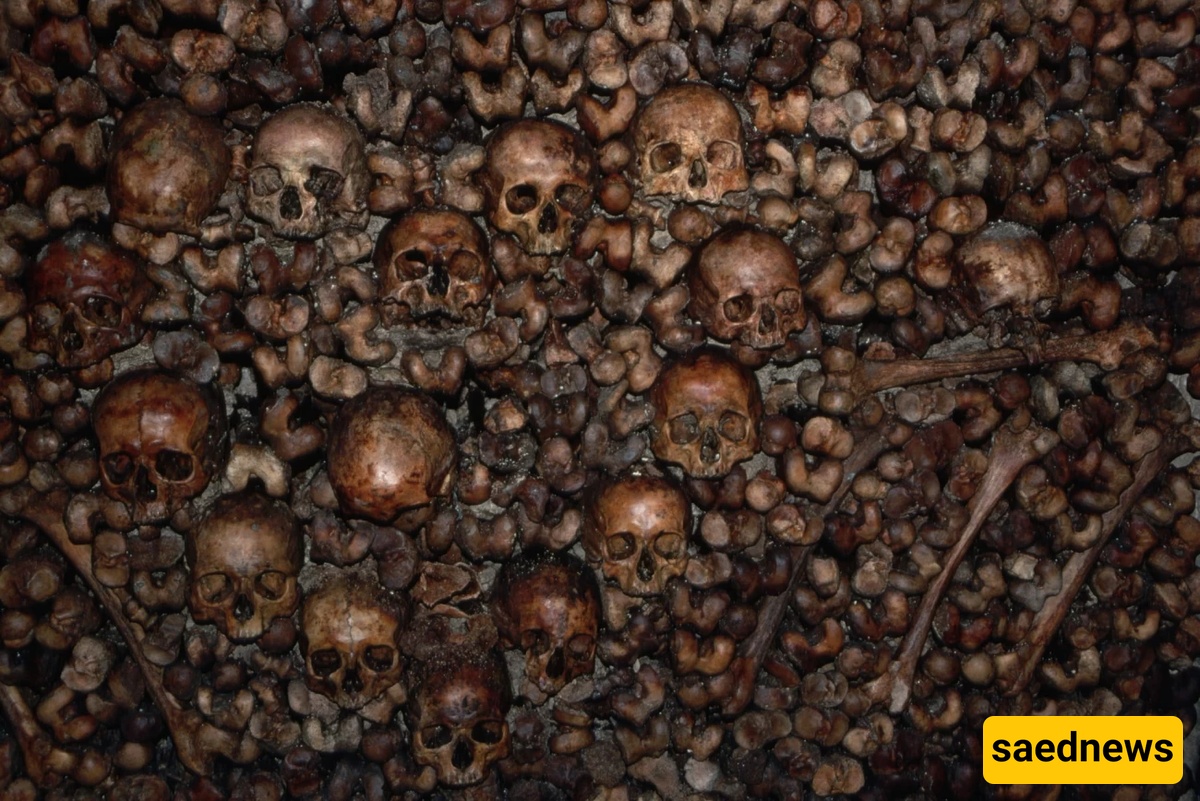
According to Saednews, Paris, the capital of France, is famously known as the “City of Light.” Yet beneath this city of more than 12 million people lies a dark underground world containing the remains of around six million former residents. This vast network is known as the Paris Catacombs, a maze of tunnels stretching for hundreds of kilometers and filled with the bones of the dead.
The tunnels were originally limestone quarries located around Paris. Limestone had been extracted from these underground sites since Roman times and was widely used in the construction of buildings throughout the city.
By the second half of the 18th century, however, some of the abandoned quarries—many of which had eventually become surrounded by the expanding city—were given a new purpose: they became underground burial sites for Paris’s dead.
During the 18th century, Parisian cemeteries had become severely overcrowded. One of the worst examples was Les Innocents, the city’s largest cemetery at the time. Poor burial practices meant that some graves were improperly covered, while decomposing bodies occasionally became exposed.
Residents living near the cemetery complained about the terrible odors and feared that the conditions were contributing to the spread of disease.
In 1763, King Louis XV ordered a ban on burials within the city. However, the Church strongly opposed the measure, and little changed.
The situation continued until 1780, when prolonged heavy rain caused a wall surrounding Les Innocents to collapse. Large quantities of human remains were exposed, forcing authorities to take decisive action.
In 1786, Paris authorities decided to transform the former quarries into underground ossuaries. This became the site now known as the Catacombs of Paris.
It took approximately two years to transfer the bones from Paris’s main cemetery into the underground tunnels. Over the following two decades, the remains from numerous other cemeteries around Paris were also moved underground.
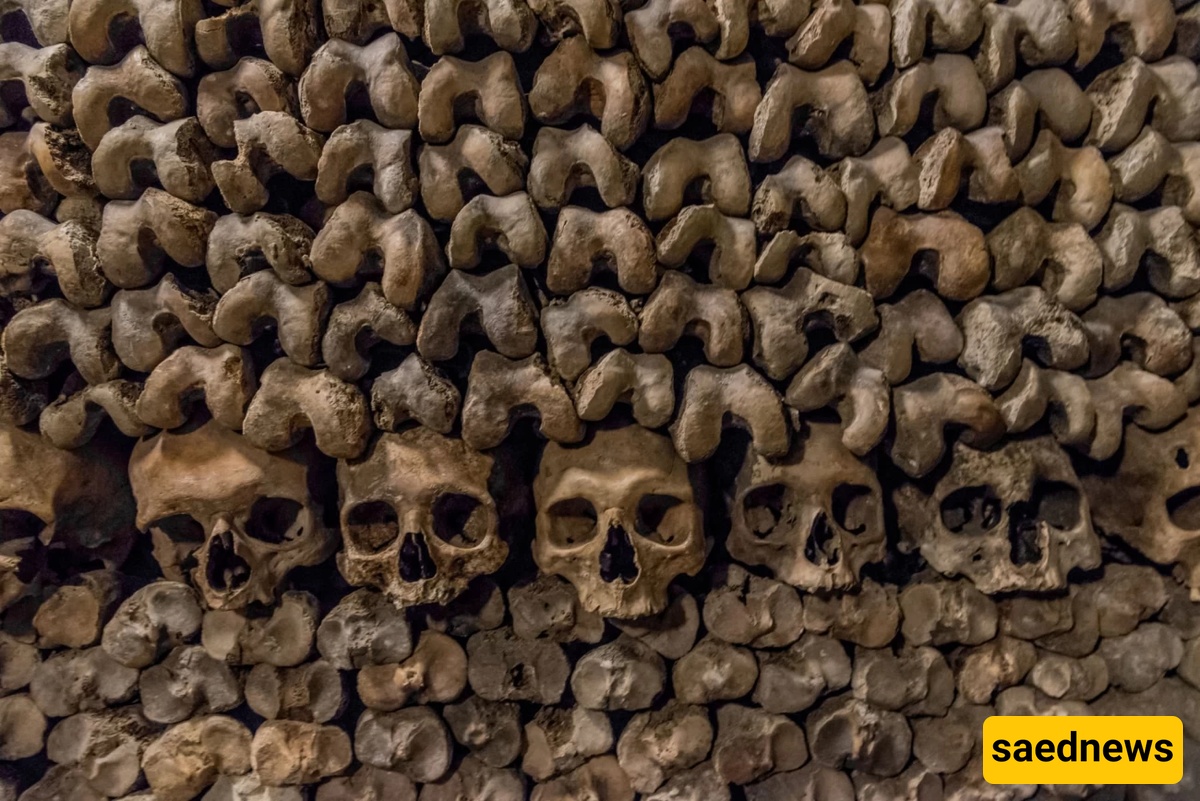
Following the French Revolution, the Catacombs were additionally used for the burial of people who had recently died.
In 1859, during the major redevelopment of Paris led by Baron Haussmann, another large-scale transfer of human remains took place. The work was completed in 1860.
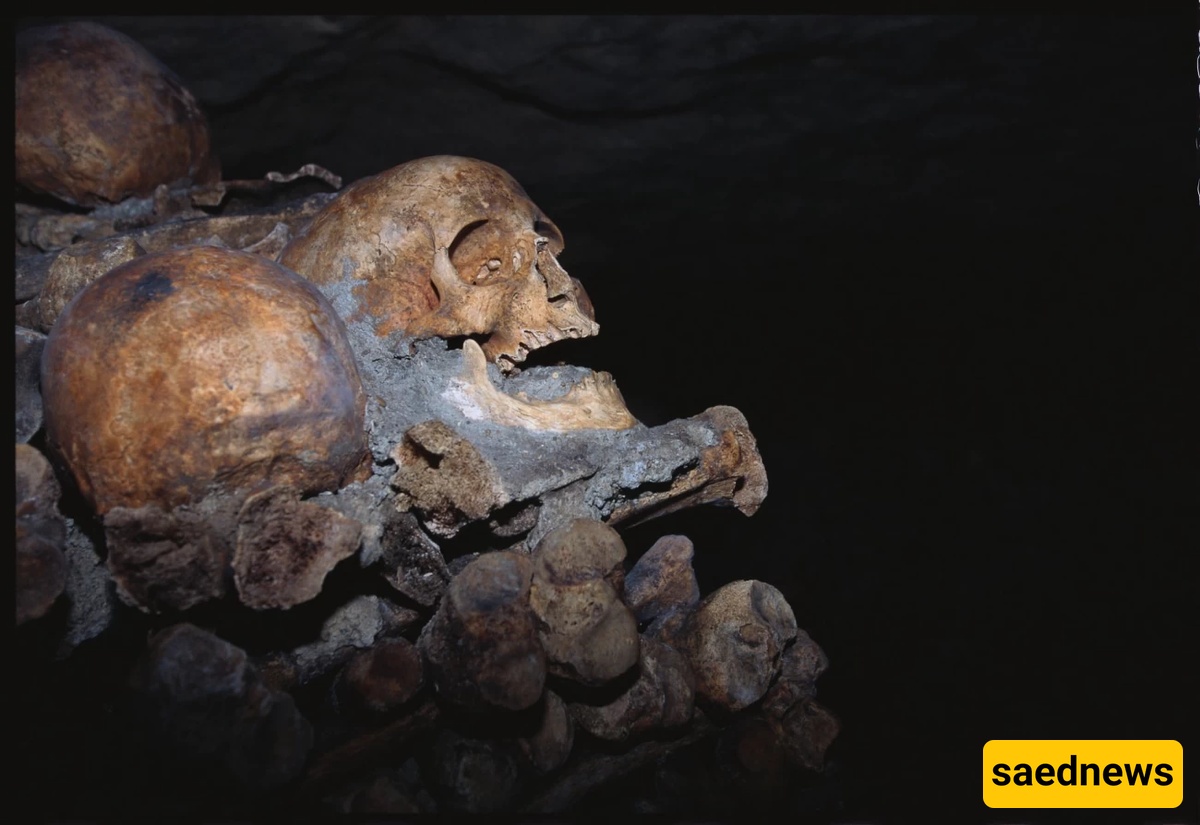
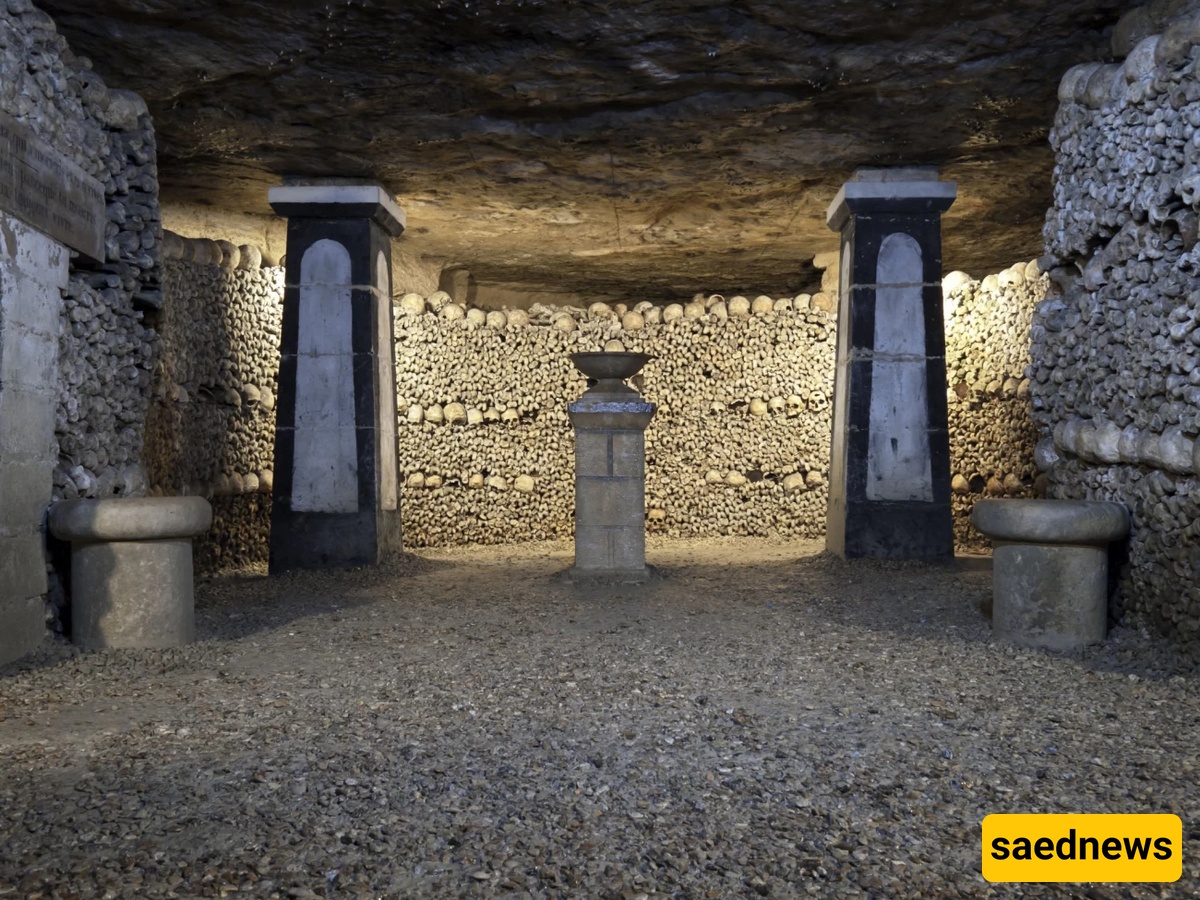
Seven years later, in 1867, the Catacombs were opened to the public.
Although the underground quarry network extends for more than 300 kilometers beneath Paris, only a small portion is officially accessible to visitors. Since 1955, entering other sections of the network has been illegal.
Despite the restrictions, illegal explorers known as cataphiles began entering the forbidden sections during the 1970s and 1980s through hidden entrances and passages.
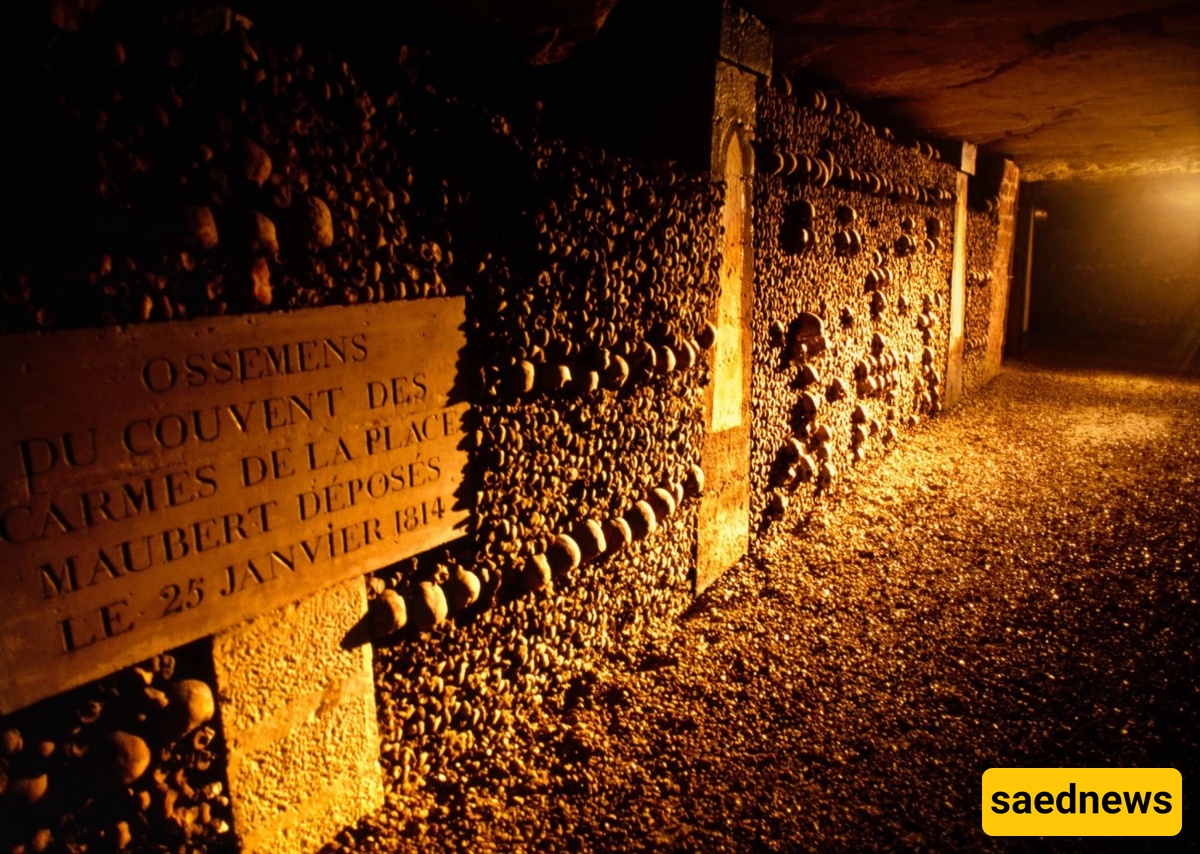
Some groups went far beyond simply exploring the tunnels. They transformed parts of the underground network into unusual creative spaces.
One remarkable example was a secret underground amphitheater, complete with a large cinema screen, projection equipment, films, and seating.
Nearby, explorers reportedly created an area resembling a café and restaurant, where visitors could eat and drink after watching films.
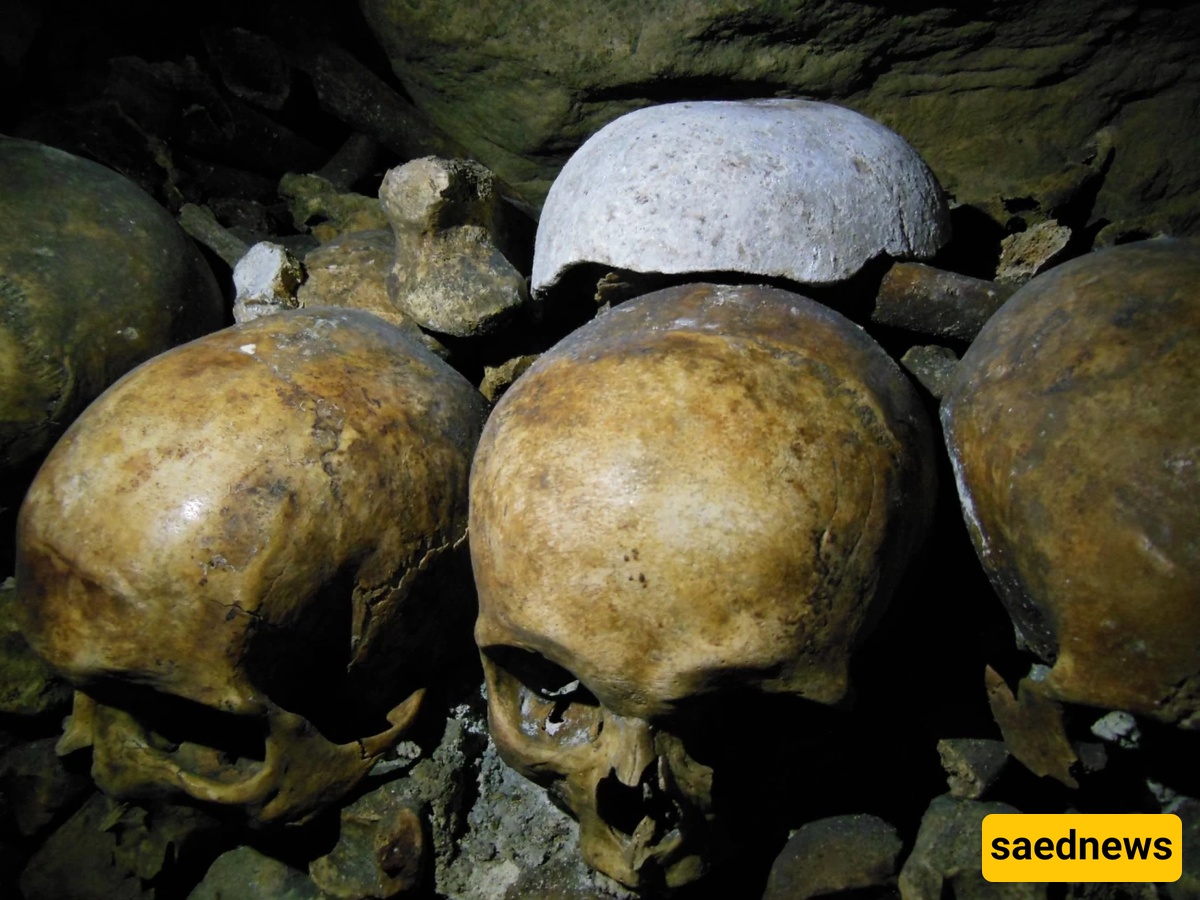
At one point, it was estimated that around 300 people a week were illegally entering the forbidden sections of the Catacombs through concealed routes.
Today, the Paris Catacombs remain one of the most fascinating and mysterious places beneath the French capital—a vast underground world where the history of Paris, its former inhabitants, and its forgotten quarries come together.