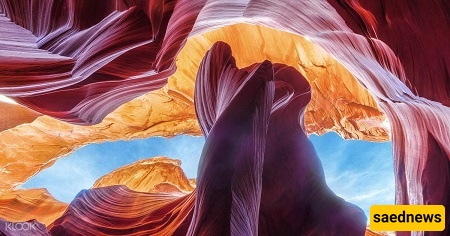
SAEDNEWS: Antelope Canyon in Arizona is a stunning natural attraction, famous for its unique sandstone formations. Over the years, wind and water have sculpted the rocks into beautiful shapes, creating a breathtaking landscape.
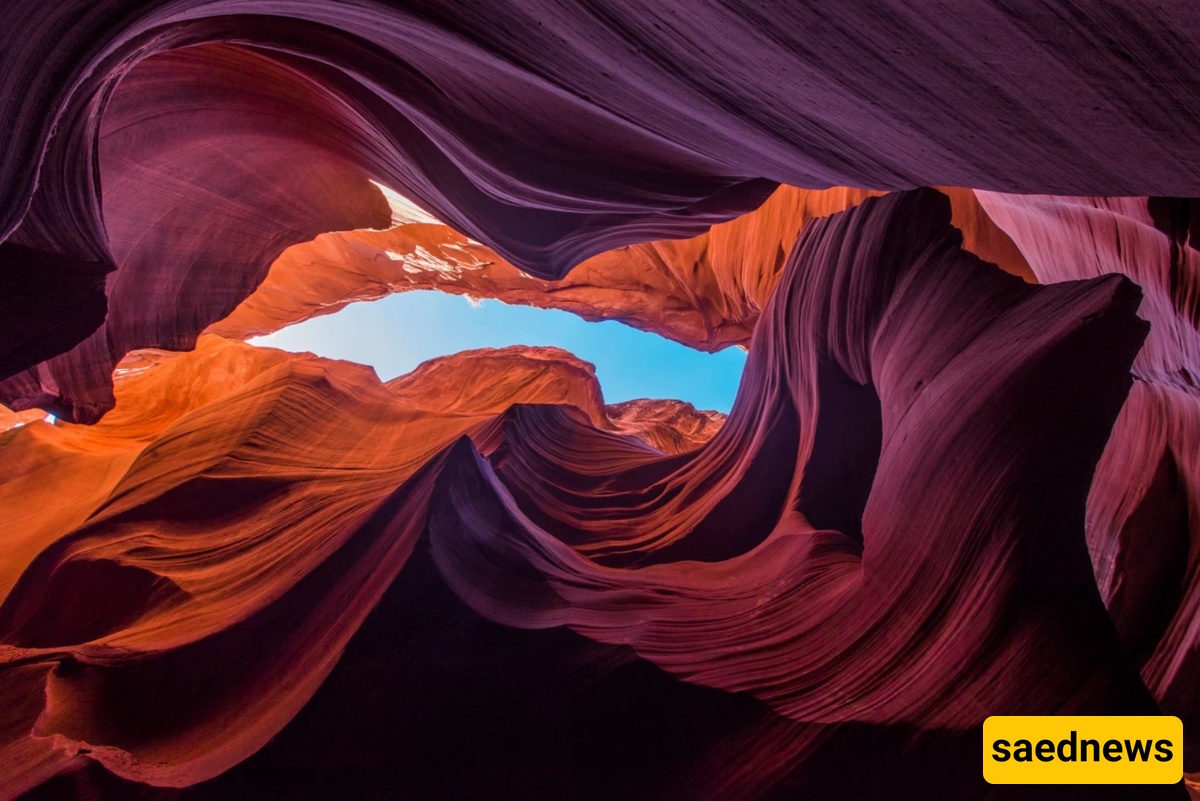
According to Saednews, One of the most beautiful and fascinating destinations in the United States is Arizona, a spectacular state known for its remarkable natural attractions. Among its many sights, Antelope Canyon stands out as one of the most famous, attracting tourists, photographers, and adventurers from around the world.
With its dramatic orange sandstone walls, striking formations, and beams of sunlight filtering through narrow openings, Antelope Canyon offers an unforgettable experience. Here is everything you need to know about this extraordinary canyon.
Antelope Canyon is generally divided into two main sections: Upper Antelope Canyon, known for its wider and more accessible passageways, and Lower Antelope Canyon, famous for its narrower, winding corridors.
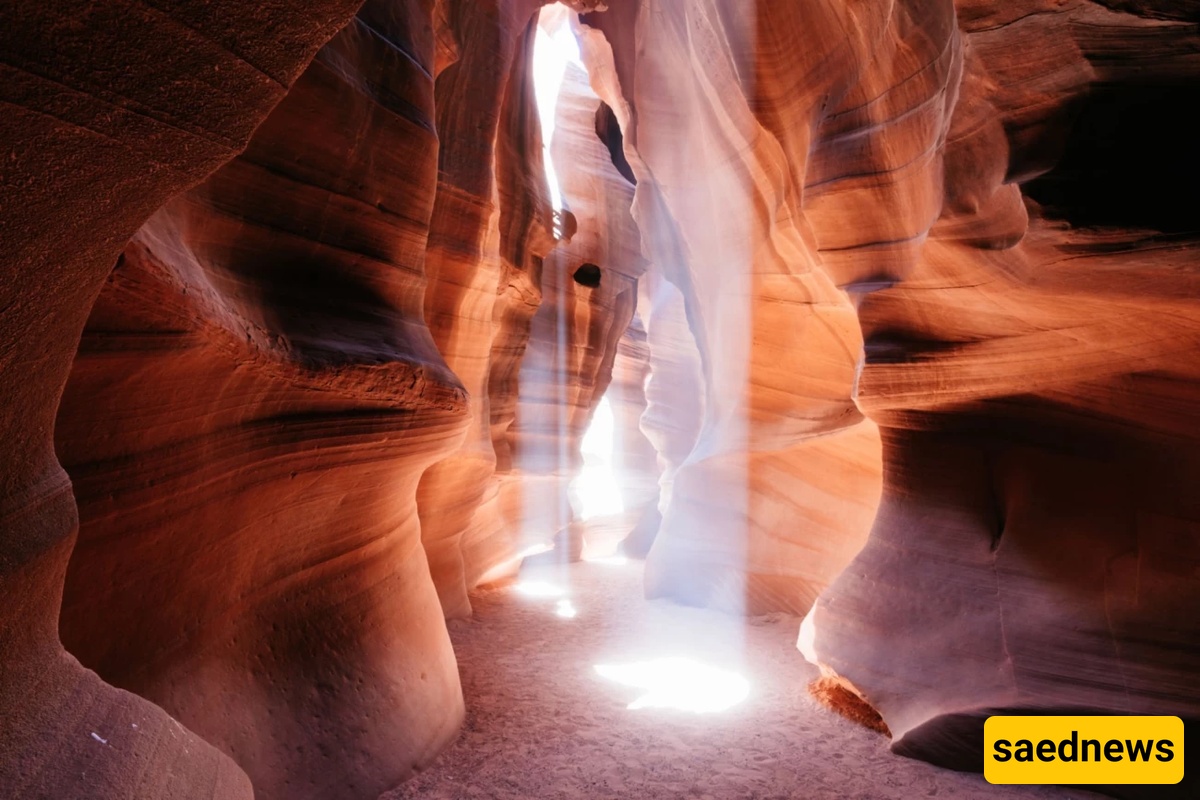
Upper Antelope Canyon is particularly popular with visitors because sunlight entering through the canyon's openings creates spectacular patterns of light and shadow on the sandstone walls. These unique conditions have made the canyon especially popular among photographers from around the world.
Upper Antelope Canyon is relatively flat and does not require visitors to climb significant elevations, while Lower Antelope Canyon involves more stairs and narrower passages. Entrance fees vary depending on the tour operator and season.
The period from mid-April through September is generally considered one of the best times to visit, particularly for travelers hoping to see the famous shafts of sunlight in Upper Antelope Canyon.
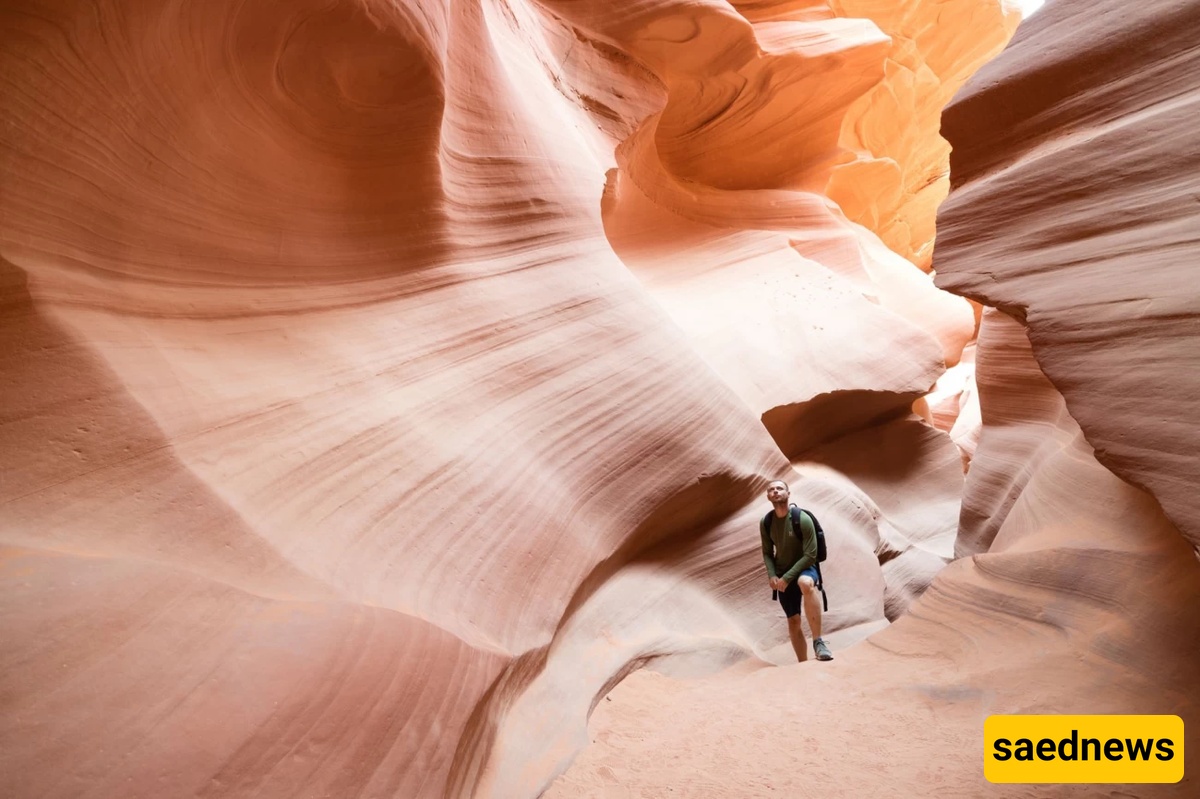
Antelope Canyon is located in northern Arizona, near Page, on land belonging to the Navajo Nation. Because the canyon is located on Navajo land and can be affected by sudden flash floods, visitors cannot explore it independently. Access is available through authorized guided tours.
Antelope Canyon was shaped over thousands of years by natural forces, particularly wind and water. Flash floods and flowing water gradually eroded the Navajo sandstone, carving out the smooth, flowing curves that give the canyon its distinctive appearance.
The erosion process continues today. Heavy rainfall can still cause dangerous flash floods in the area, which is why visitors are required to explore the canyon with authorized guides rather than entering on their own.
One of the most tragic incidents occurred in 1997, when a sudden flash flood swept through Lower Antelope Canyon. Eleven visitors lost their lives, while the trained tour guide accompanying them survived. The tragedy highlighted the serious dangers posed by flash floods in slot canyons and led to stricter safety procedures for visitors.
For a comfortable and safe visit, travelers should prepare appropriately for the conditions. Useful items may include:
Comfortable walking shoes
Water and light snacks
A small backpack
A waterproof bag for protecting valuables
A headlamp or flashlight
Appropriate outdoor clothing
Emergency equipment when recommended by the tour operator
Because tour requirements and safety conditions can vary, visitors should always follow the instructions provided by their authorized guide.
With its sculpted sandstone walls, dramatic colors, and remarkable interplay of light and shadow, Antelope Canyon is one of Arizona’s most memorable natural attractions. Whether you are interested in photography, geology, adventure, or simply experiencing one of America’s most unusual landscapes, a guided visit to Antelope Canyon can be an unforgettable part of a trip to northern Arizona.