SAEDNEWS: Sri Lanka’s Temple of the Tooth is one of the country’s most important religious and cultural landmarks. This article explores the temple’s significance in Sri Lankan history and culture, along with its distinctive architecture, religious ceremonies, and traditional customs.
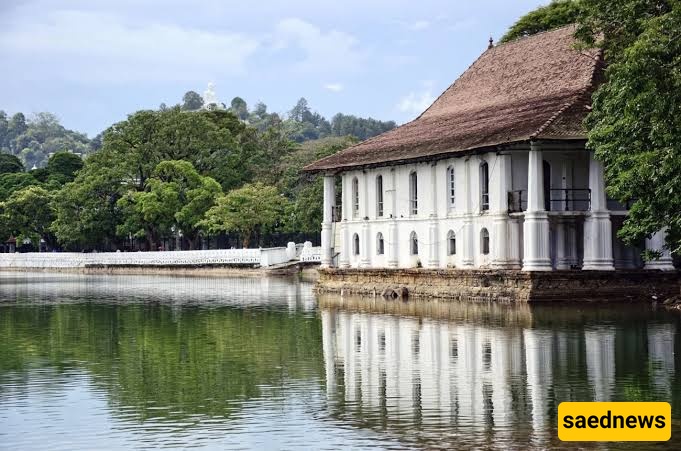
According to Saednews, The Sacred Temple of the Tooth, locally known as Sri Dalada Maligawa, is one of Kandy’s most important cultural and religious landmarks.
Located in the historic city of Kandy, Sri Lanka, the temple is believed to house the sacred tooth relic of the Buddha, making it one of the most revered Buddhist sites in the world. The temple is particularly significant to Buddhists in Sri Lanka and attracts pilgrims and visitors from around the globe. Kandy itself is a UNESCO World Heritage Site.
The history of the Sacred Temple of the Tooth dates back to the late 16th century. According to traditional accounts, construction was completed in 1595 during the reign of King Vimaladharmasuriya.
Over the centuries, the temple has undergone numerous structural and architectural changes due to Portuguese attacks, natural disasters, and terrorist incidents. One of the most serious incidents occurred in 1998, when a terrorist attack caused extensive damage to the complex. Major restoration and renovation efforts were subsequently carried out, allowing the temple to regain much of its former appearance.
Today, the temple complex includes the royal palace area, ceremonial halls, and the Mahamaluwa grounds.
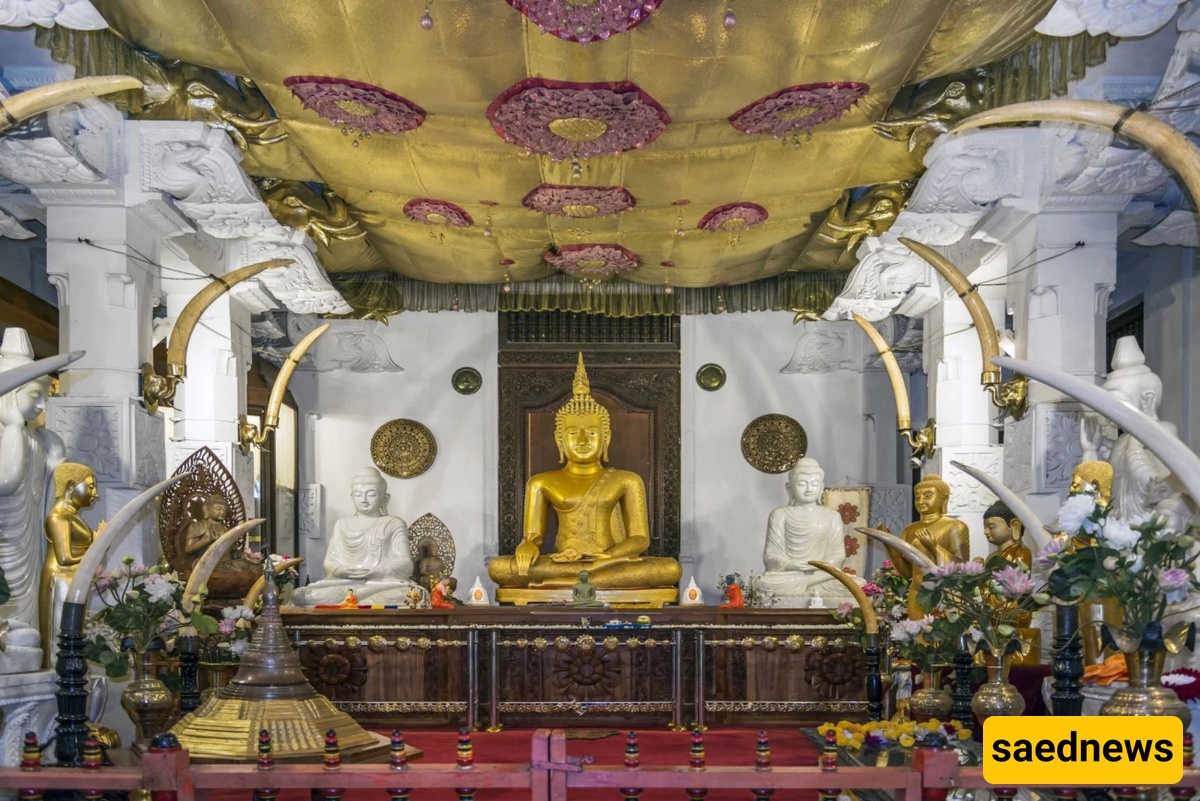
The sacred tooth relic of the Buddha is kept within a highly protected shrine inside the temple. Although the relic itself is not normally available for public viewing, it remains the spiritual heart of the complex.
Every Wednesday, monks perform a symbolic ritual bathing of the relic using scented water and fragrant flowers. The blessed water is then distributed among devotees and visitors, as it is traditionally believed to possess healing properties.
The Sacred Temple of the Tooth consists of several important sections, each offering its own historical and cultural significance.
Entrance:
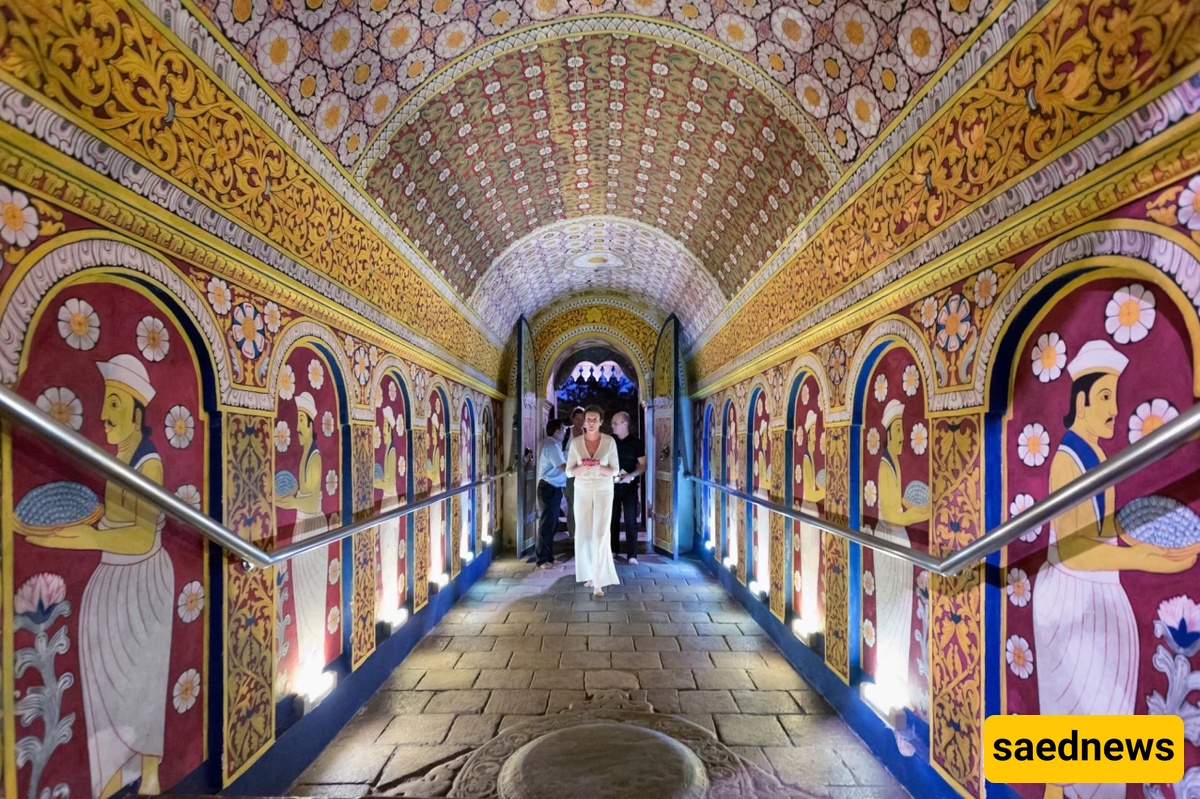
The impressive entrance, with its distinctive architectural details, serves as the starting point for many visitors exploring the temple complex.
Main Hall:
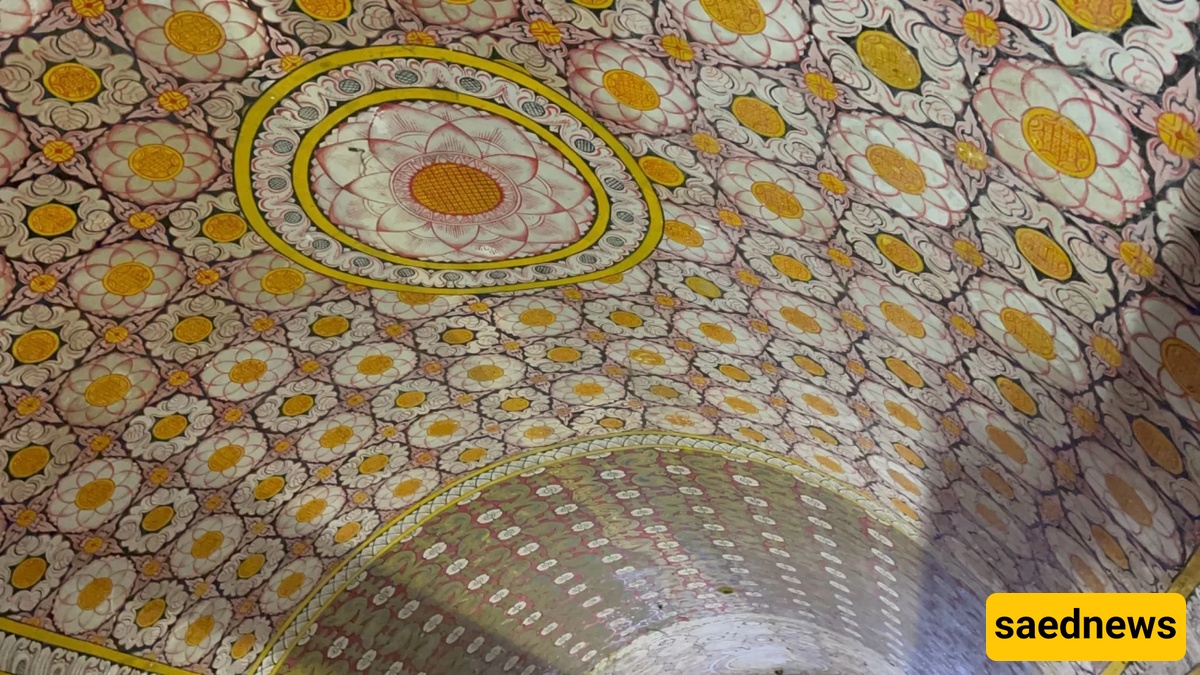
The main hall features traditional architecture and elaborate decoration. It serves as an important venue for religious ceremonies and forms part of the sacred area associated with the Buddha’s tooth relic.
Shrine of the Tooth Relic:
The shrine containing the sacred relic is considered the most important part of the temple. The relic is kept inside a series of protective containers and is not routinely displayed to the public.
Temple Museum:
The museum contains historical objects, artworks, religious artifacts, and documents connected with the temple and Sri Lanka’s Buddhist heritage. It is particularly interesting for visitors interested in the country’s history and culture.
Temple Grounds:
The surrounding grounds provide a peaceful setting for visitors and pilgrims. The complex is located beside Kandy Lake, offering attractive views and an opportunity to experience the cultural atmosphere of the city.
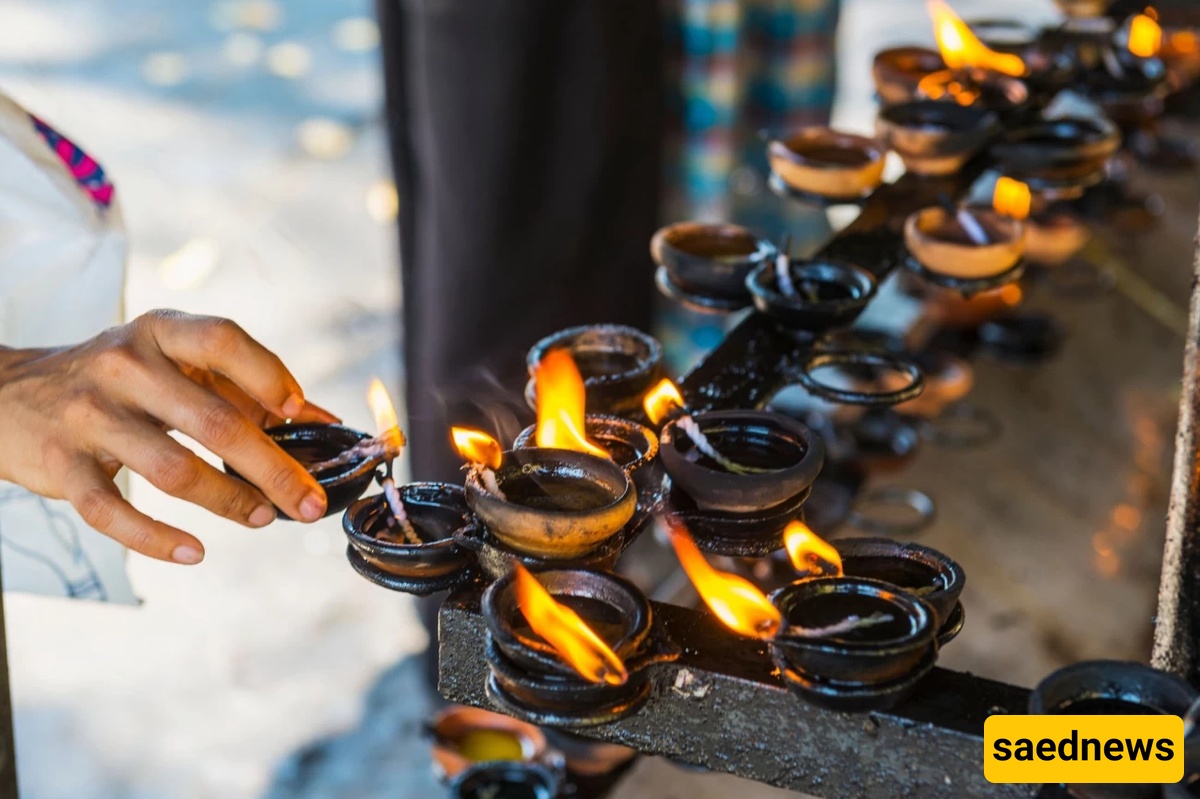
Daily religious rituals are traditionally conducted three times a day: at dawn, in the afternoon, and in the evening. These ceremonies provide visitors with an opportunity to observe important aspects of Sri Lankan Buddhist traditions.
The Wednesday ritual, known as the symbolic bathing ceremony, is particularly notable. Monks use scented water and flowers during the ceremony, after which the blessed water is shared with devotees.
The temple is located approximately 2 kilometers from Kandy Railway Station. Kandy can be reached from Colombo by train or bus, with the journey generally taking several hours depending on the service.
Once in Kandy, visitors can reach the temple by tuk-tuk, taxi, local bus, bicycle, or on foot. Exploring the city by bicycle or tuk-tuk can also be a convenient way to discover other attractions in and around Kandy.
Visiting the Sacred Temple of the Tooth is an important experience for anyone exploring Sri Lanka. Beyond its religious significance, the temple offers an opportunity to appreciate the country’s history, traditional architecture, Buddhist heritage, and cultural practices.
1. Where is the Sacred Temple of the Tooth located?
The temple is located in Kandy, in Sri Lanka’s Central Province.
2. Whose tooth relic is preserved at the temple?
The sacred relic is traditionally believed to be a tooth of the Buddha and is one of the most important Buddhist relics in Sri Lanka.
3. Why is the temple called the Temple of the Tooth?
The name comes from the sacred tooth relic of the Buddha preserved within the temple.
4. Can visitors see the sacred tooth relic?
The relic itself is not normally displayed for direct public viewing. Visitors can, however, participate in or observe religious ceremonies associated with it.
5. When are special ceremonies held?
Daily rituals take place three times a day, while the symbolic bathing ceremony is held on Wednesdays. The temple also hosts major annual religious celebrations, including the famous Esala Perahera in Kandy.