SAEDNEWS: Join us as we explore the breathtaking island of Sardinia, a true Mediterranean paradise. Discover its stunning beaches, crystal-clear waters, rich culture, charming towns, and unique natural beauty.
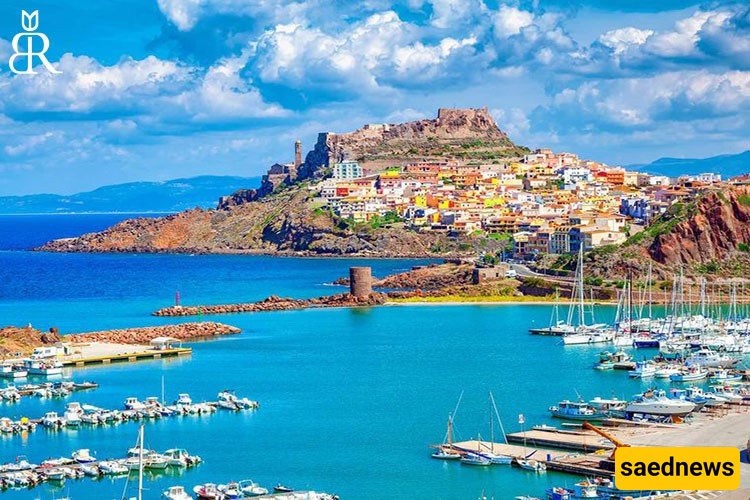
According to Saednews, Sardinia is one of Italy’s most beautiful islands and an autonomous region with a strong and distinctive identity. Located in the western Mediterranean Sea between Europe and North Africa, this remarkable island is far more than a simple piece of land surrounded by water—it is a destination that often feels like paradise.
Covering approximately 24,100 square kilometers, Sardinia is Italy’s second-largest island and the second-largest island in the Mediterranean Sea. Its spectacular coastline, crystal-clear waters, dramatic landscapes, and rich cultural heritage make it one of the region’s most distinctive destinations.
Sardinia lies about 200 kilometers west of mainland Italy and is also relatively close to the northern coast of Africa. The French island of Corsica is located directly to the north, separated from Sardinia by the Strait of Bonifacio. At its narrowest point, the two islands are only about 13 kilometers apart.
The island’s location is particularly fascinating. Sardinia is situated closer to parts of North Africa than to some famous Italian destinations, highlighting its unique position between Europe and Africa. Tunisia and its capital, Tunis, are also relatively close across the Mediterranean. To the west lies Spain, while Barcelona and Valencia are located farther across the sea.
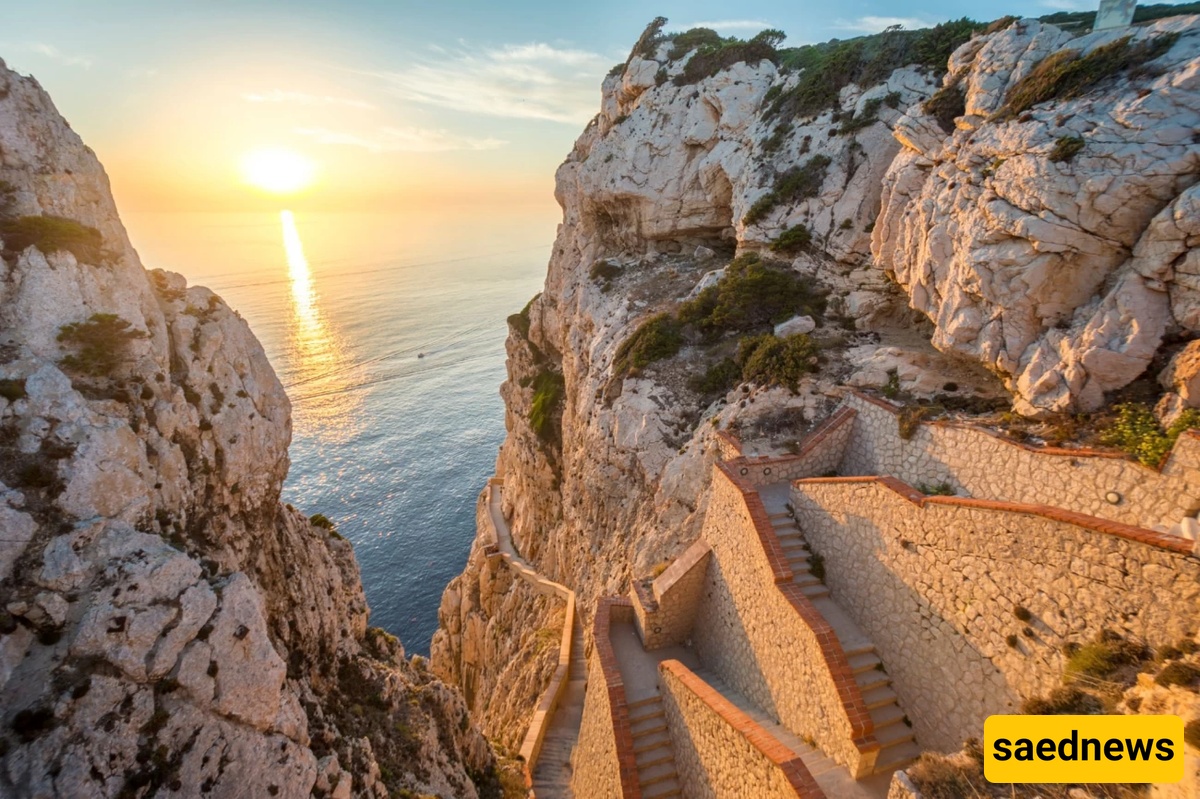
Sardinia has a population of around 1.6 million people. With its large land area and relatively low population density, the island feels much less crowded than many other parts of Italy.
Compared with densely populated areas of the Italian mainland, Sardinia offers more open space, peaceful roads, and a relaxed atmosphere. Sicily, another famous Italian island, is slightly larger but has a population several times greater than Sardinia’s.
This lower population density is one of the reasons Sardinia appeals to travelers looking for peace, nature, and a slower pace of life.
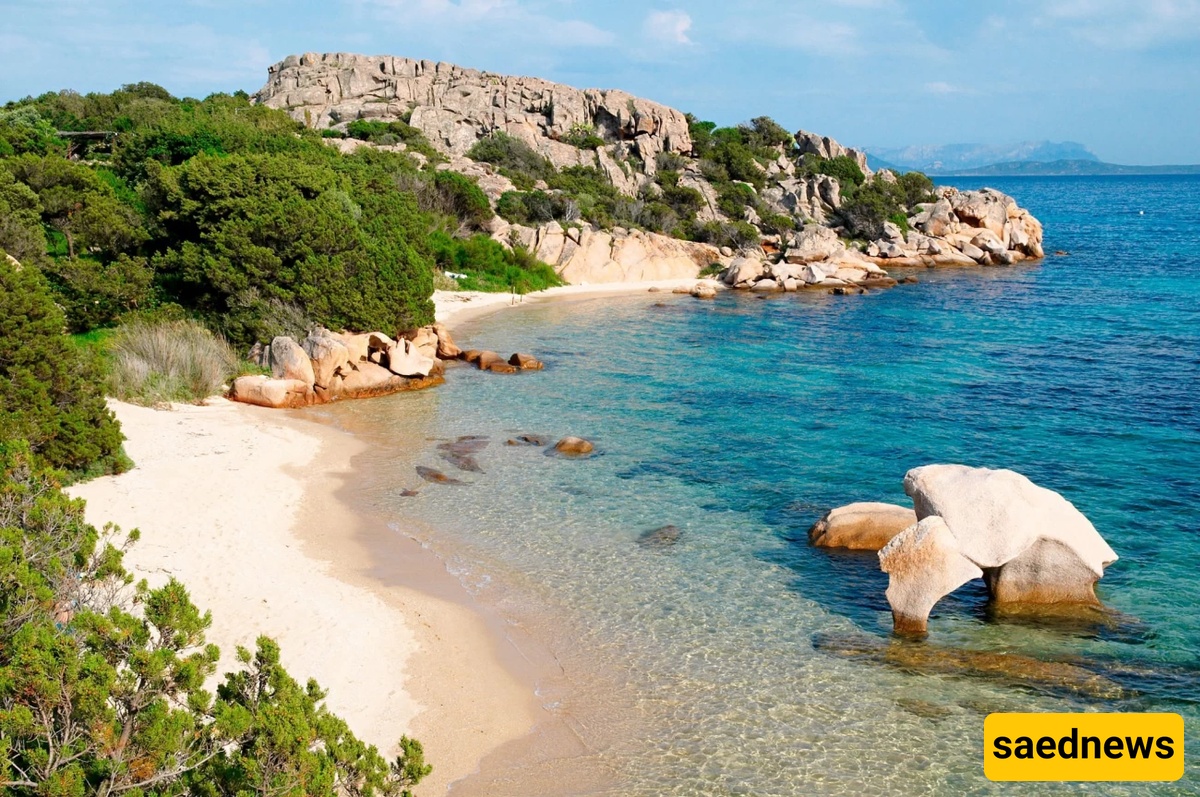
One of Sardinia’s greatest attractions is its extraordinary coastline, which stretches for approximately 1,849 kilometers. The island is home to some of the most beautiful beaches in Europe, with turquoise water, white sand, rocky coves, and breathtaking coastal scenery.
For many visitors, Sardinia’s beaches are the main reason to visit. However, the island offers much more than seaside beauty. Its mountains, forests, traditional villages, historical sites, and distinctive local culture create a diverse travel experience.
Cagliari is the capital and largest city of Sardinia. A significant portion of the island’s population lives in or around this vibrant city, which combines history, culture, modern life, and Mediterranean charm.
Cagliari is known for its historic hilltop district, medieval architecture, ancient fortifications, and impressive views. The city is also an important transportation hub and home to Cagliari Elmas Airport, one of Sardinia’s main airports.
Other airports on the island serve destinations near Sassari and Olbia, making it easier for visitors to explore different regions of Sardinia.
Italian is the main language spoken throughout Sardinia. However, the island also has a strong linguistic identity. Many residents speak Sardinian, or Sardo, a traditional local language with several regional variations.
The Sardinian language differs from one town and region to another, reflecting the island’s long history and cultural diversity.
In the city of Alghero, Catalan is also spoken. This is a result of the city’s historical connection with Spain, which can still be seen in its language, architecture, traditions, and cultural character.
Sardinia and Sicily are two of Italy’s most famous islands, and travelers sometimes confuse them. In reality, they are separated by roughly 300 kilometers, with Sicily located to the southeast of Sardinia.
Both islands offer beautiful beaches, delicious food, historical attractions, charming cities, and pleasant Mediterranean weather. However, Sardinia generally feels quieter and less crowded than Sicily.
If Sicily is the more famous and outgoing sibling, Sardinia can be described as the quieter one—a beautiful island filled with hidden wonders that has remained somewhat less explored by international travelers.
Sardinia is an exceptional destination for travelers who enjoy nature, history, food, and relaxation. Visitors can explore spectacular beaches, enjoy traditional cuisine, discover ancient sites, wander through picturesque towns, and experience the island’s unique culture.
What makes Sardinia especially memorable is its peaceful atmosphere. Visiting the island can feel like stepping into a place where time moves differently. Its landscapes, traditions, and relaxed way of life create an atmosphere that is difficult to compare with other destinations.
The people of Sardinia have preserved many of their traditional customs and cultural practices. Throughout the year, towns and villages celebrate local festivals, ceremonies, and events that reflect the island’s deep connection to its history.
Sardinians are often known for their strong family values, respect for older generations, close relationship with nature, and traditional lifestyle. Sardinia is also famous for the longevity of many of its residents, and the island is often associated with healthy living and a strong sense of community.
Many people believe that the Sardinian lifestyle—including family connections, traditional food, physical activity, and closeness to nature—plays an important role in the island’s remarkable reputation for long life.
With its preserved traditions, stunning beaches, fascinating history, delicious cuisine, and extraordinary natural scenery, Sardinia is one of Italy’s most captivating destinations.
It is not simply another Mediterranean island. Sardinia has its own personality, culture, and rhythm of life. From its turquoise coastline to its ancient towns and peaceful countryside, the island offers a unique experience that is difficult to compare with anywhere else in the world.