SAEDNEWS: Discover Norway’s oldest stave churches and explore their remarkable wooden architecture. Join us to learn about these historic landmarks and some of Norway’s most impressive attractions.
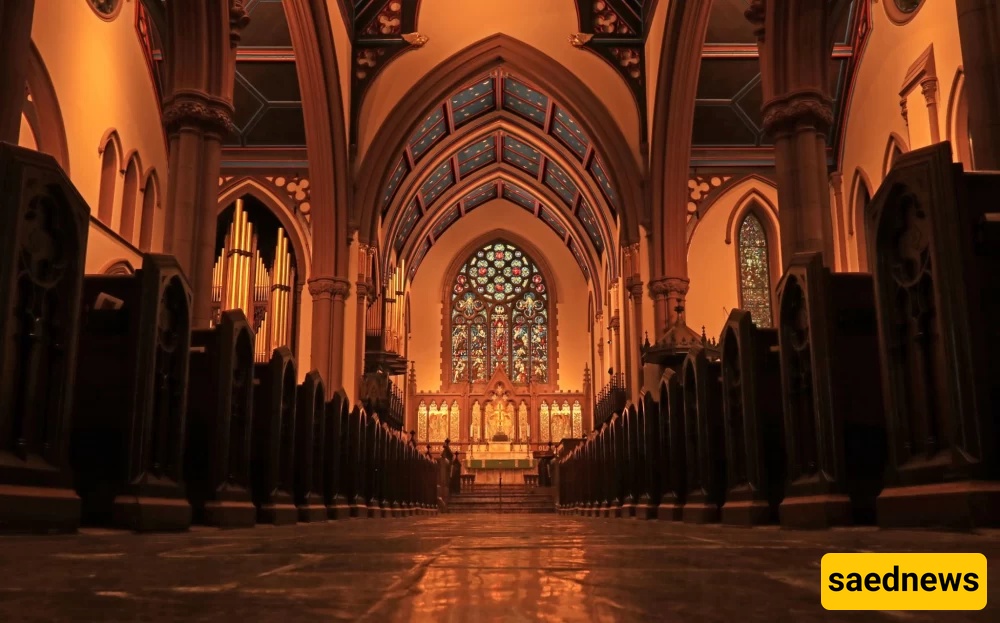
According to Saednews, Old buildings and historic structures, with their distinctive architectural styles and traditional construction materials, are among the most beautiful tourist attractions in any region. They can attract travelers who are interested in history, culture, and architecture. Among the most fascinating of these structures are churches.
Historic churches are among the most popular attractions in Norway. Many of them were built centuries ago, reflecting the architectural traditions and craftsmanship of their time.
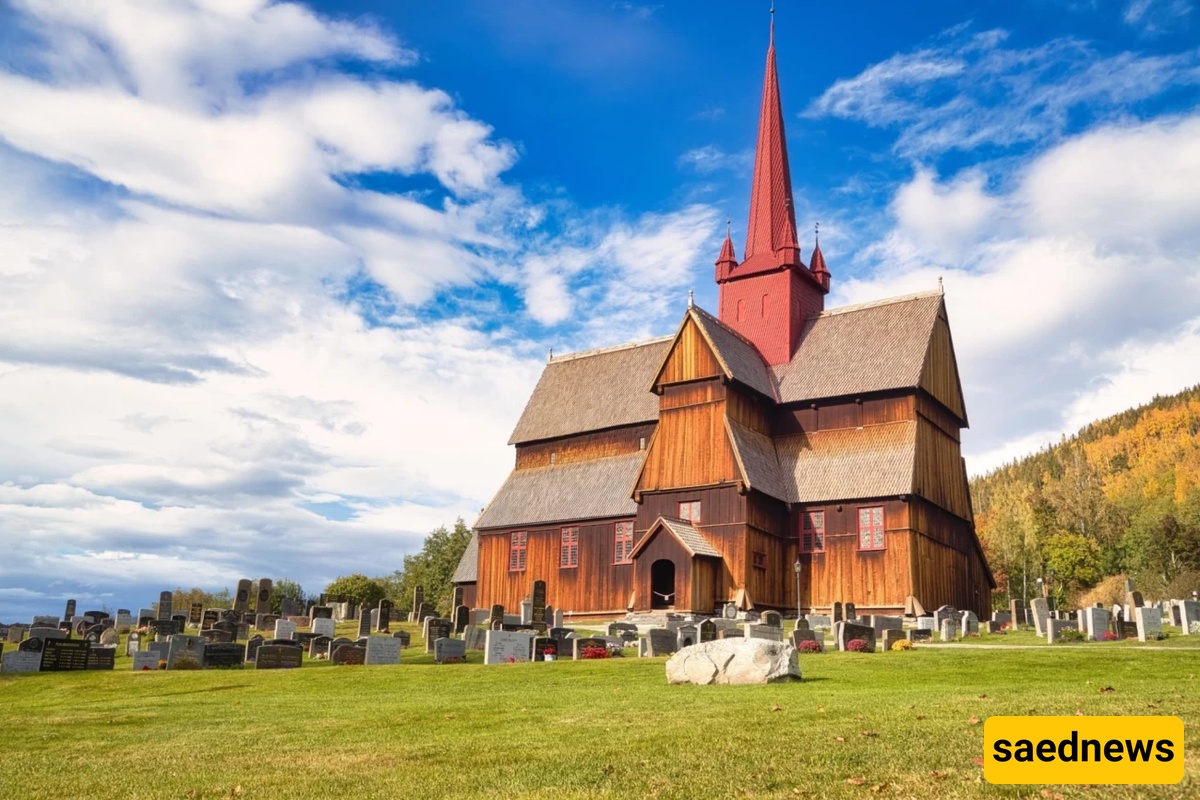
During the Middle Ages, wooden architecture became widespread in northwestern Europe. This tradition led to the development of a distinctive type of church in Norway known as stave churches. With their unique designs and intricate craftsmanship, these churches have become an important part of Norway’s architectural and cultural heritage.
The remarkable beauty and historical significance of these buildings have attracted visitors from around the world. The 12th and 13th centuries marked an important period of church construction in Norway.
Between approximately 1,300 and 2,000 churches were built in Norway during this period. Their construction involved several remarkable techniques. One of the most important was the use of large stones beneath the wooden framework. This helped protect the wooden structure from moisture and decay caused by contact with the ground and water.
Thanks to these construction methods, some of these churches have survived for centuries and remain standing today.
Several Norwegian stave churches feature roofs with multiple triangular frames that gradually decrease in size toward the top. Others have intricately carved entrances made from high-quality timber. Painted walls decorated with both Christian and pre-Christian motifs are another notable feature of these historic buildings.
Today, only around 20 to 30 stave churches remain in Norway. Here are some of the most notable examples.
Borgund Stave Church is one of Norway’s best-known wooden churches. It is located in the village of Borgund in the Lærdal area.
The church was built between approximately 1180 and 1250 and is now preserved as a museum. Its distinctive multi-level roof, carved details, and medieval wooden structure make it an important example of Norwegian stave-church architecture.
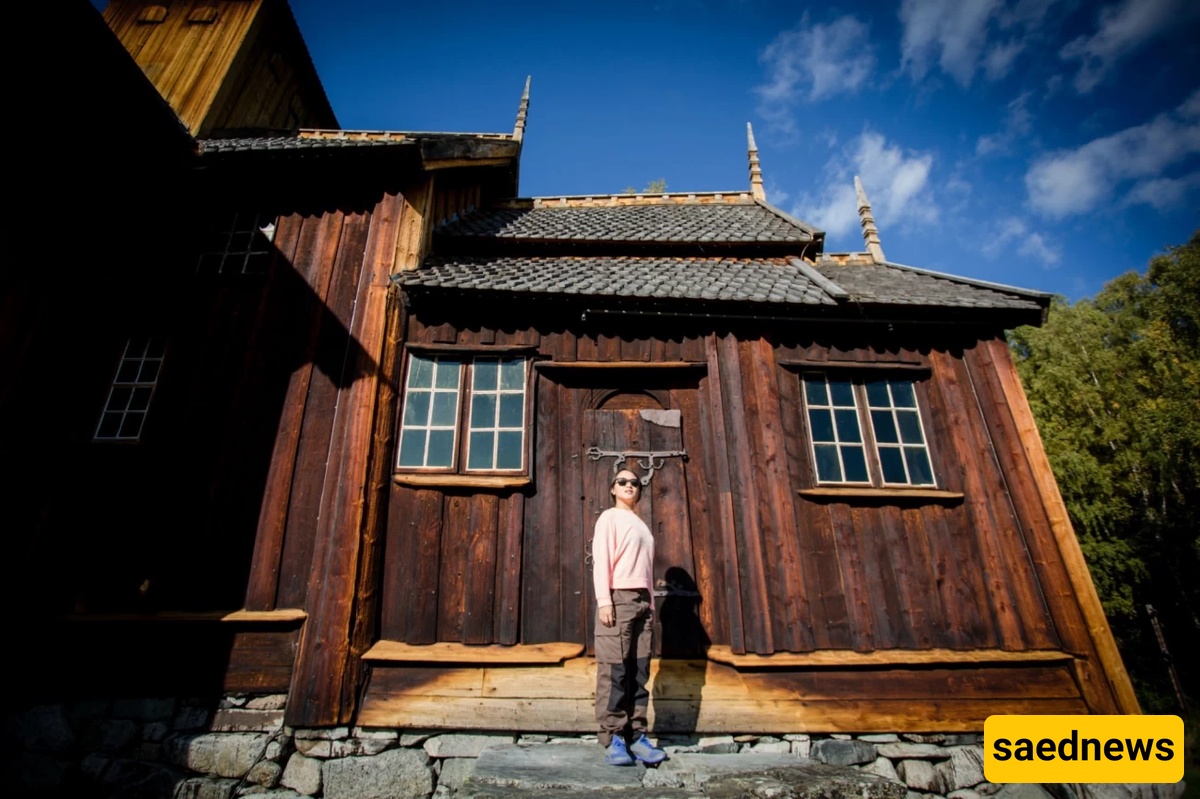
Urnes Stave Church is considered the oldest surviving stave church in Norway. It was built around 1130 and is located in the village of Ornes in the Luster area.
One of its most distinctive features is its detailed wood carving, which combines Christian elements with motifs associated with traditional Viking art. The church also contains historical objects connected with medieval Christian worship.
Heddal Stave Church is the largest surviving stave church in Norway. It was built in the early 13th century in the village of Heddal, near Notodden.
According to an old legend, five farmers built the church in just three days. The building was restored between 1849 and 1851 and continues to serve as an important cultural and religious site. Its impressive size and traditional architecture have made it one of Norway’s most notable historic churches.
Another of Norway’s oldest stave churches is Hopperstad Stave Church, located in the village of Vik in the Sogn district.
The church is generally believed to have been built around 1130, although some theories suggest that its origins may date back even earlier. Its medieval wooden construction and traditional architectural details provide an insight into Norway’s early church-building traditions.
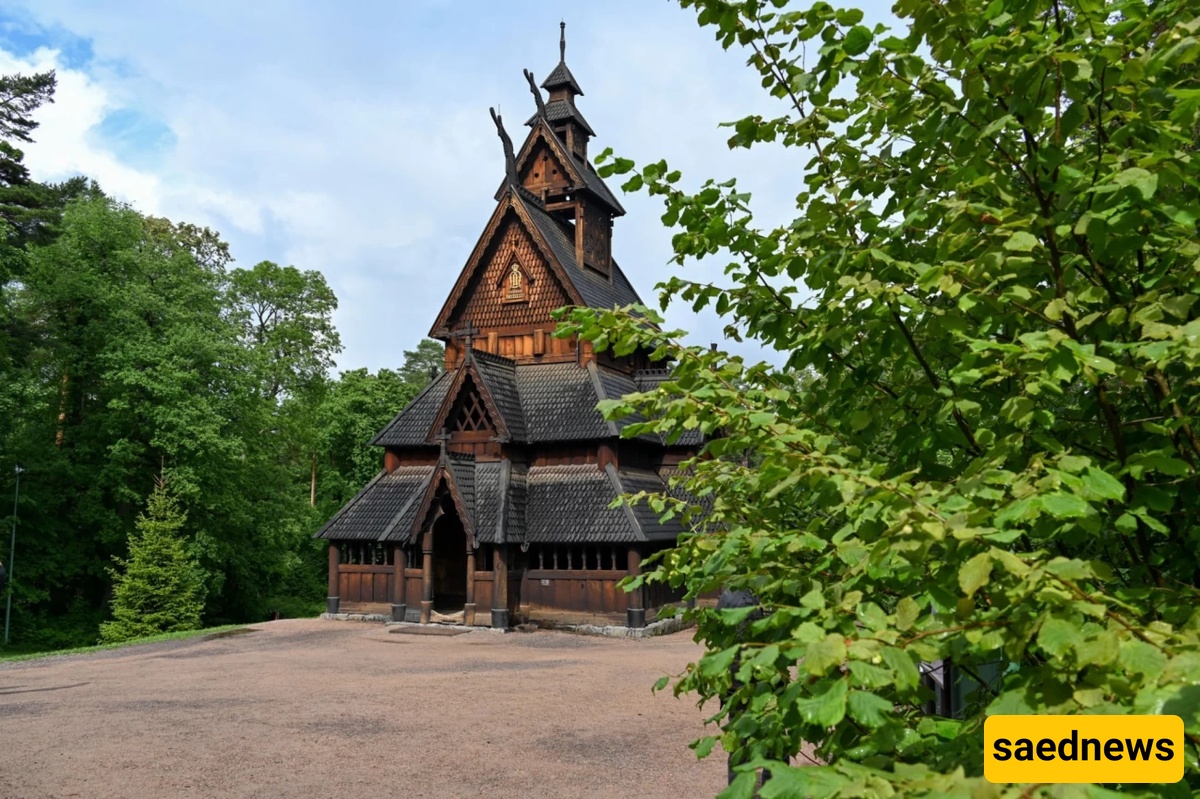
Gol Stave Church is another well-known example of Norway’s historic wooden architecture. It was originally built in the Gol area of Hallingdal.
In 1880, local residents planned to demolish the old church and replace it with a new one. To preserve the historic building, the Norwegian Society for the Preservation of Ancient Monuments arranged for it to be moved to Oslo.
Today, Gol Stave Church stands at the Norwegian Museum of Cultural History on Bygdøy in Oslo, where it remains an important example of medieval Norwegian architecture.
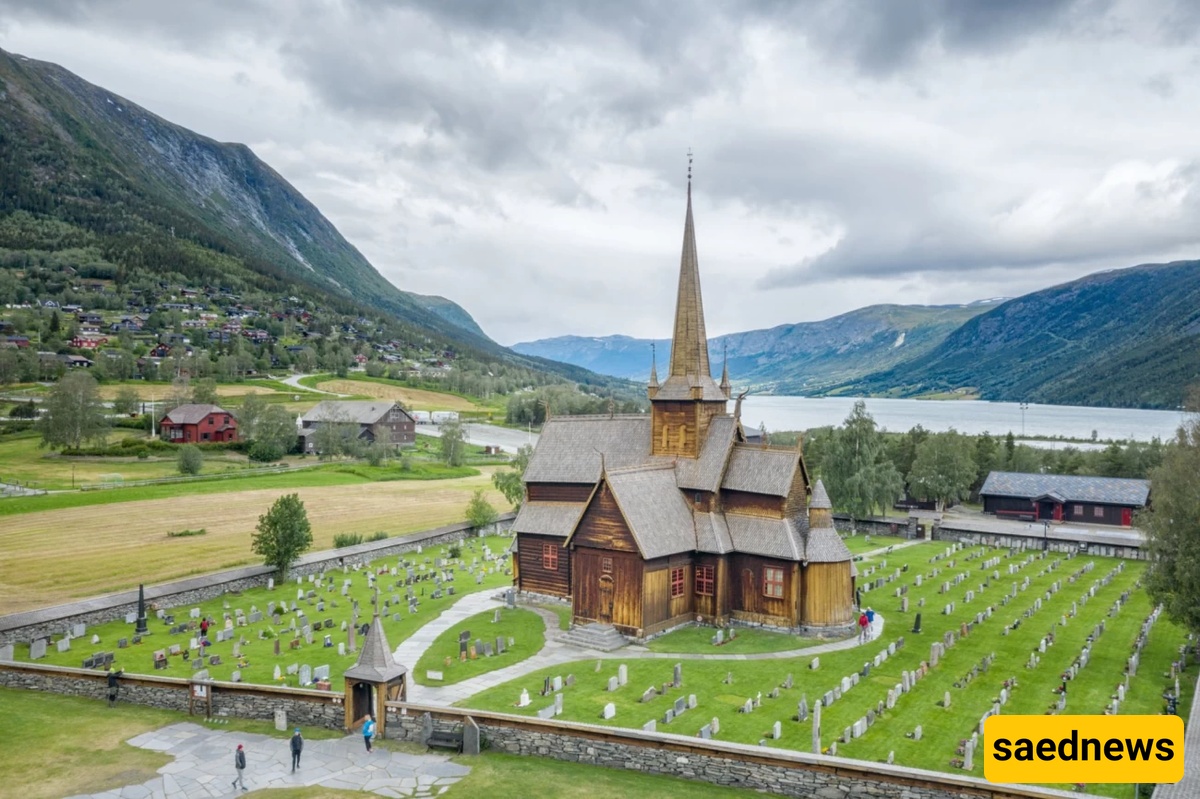
Lom Stave Church is another important historic church in Norway. It was built during the second half of the 12th century in Lom, in the Gudbrandsdalen valley, and is considered one of the oldest surviving churches in the region.
The church has a three-part nave supported by simple interior columns that help carry the raised roof structure. One of its most interesting features is the survival of a medieval dragon finial on the roof.
Only a small number of historic Norwegian churches still preserve this type of medieval decorative element.
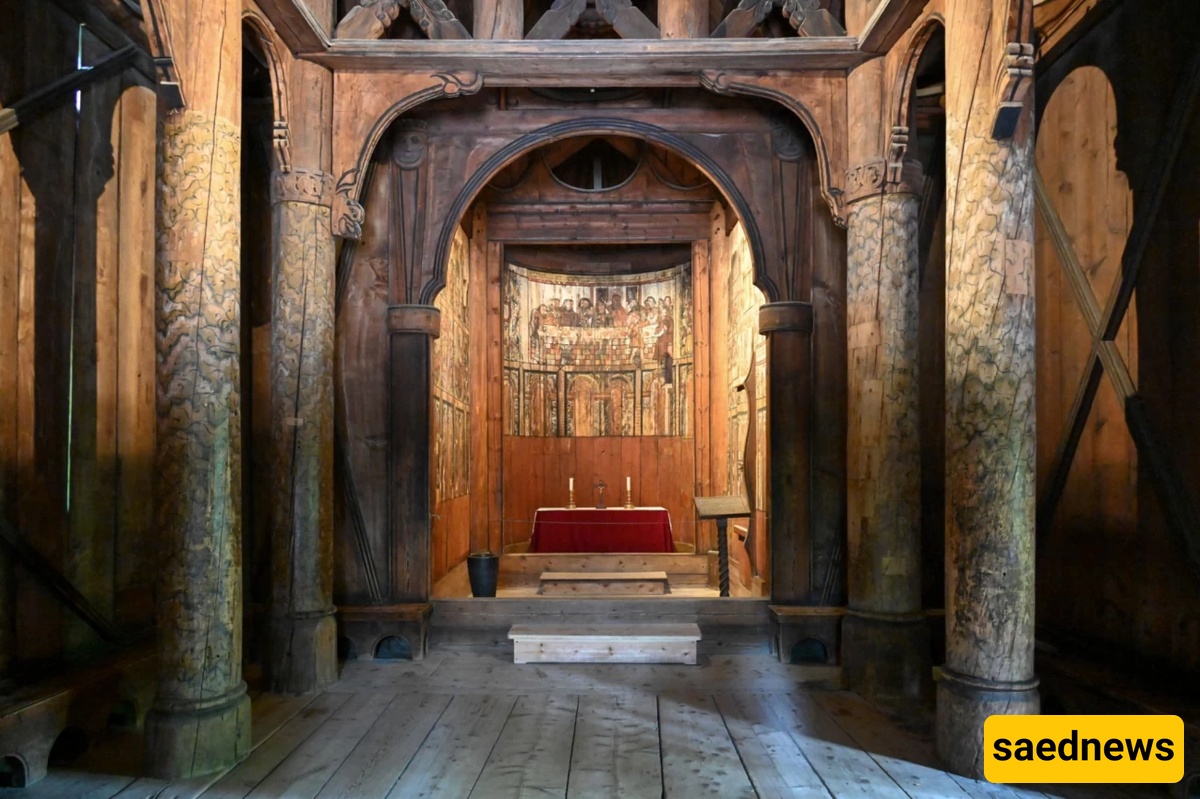
Norway’s stave churches are much more than old religious buildings. They represent a remarkable combination of medieval craftsmanship, traditional woodworking, Scandinavian cultural history, and architectural innovation.
Although only a few dozen survive today, these churches provide a valuable connection to Norway’s medieval past. Their distinctive wooden structures, intricate carvings, ancient artwork, and unusual roof designs continue to make them some of the country’s most fascinating historic landmarks.