SAEDNEWS: Cambodia is one of Asia’s most beautiful travel destinations, offering rich history, modern attractions, friendly locals, and exciting experiences. Although less visited than some neighboring countries, it offers unforgettable cultural and scenic wonders.
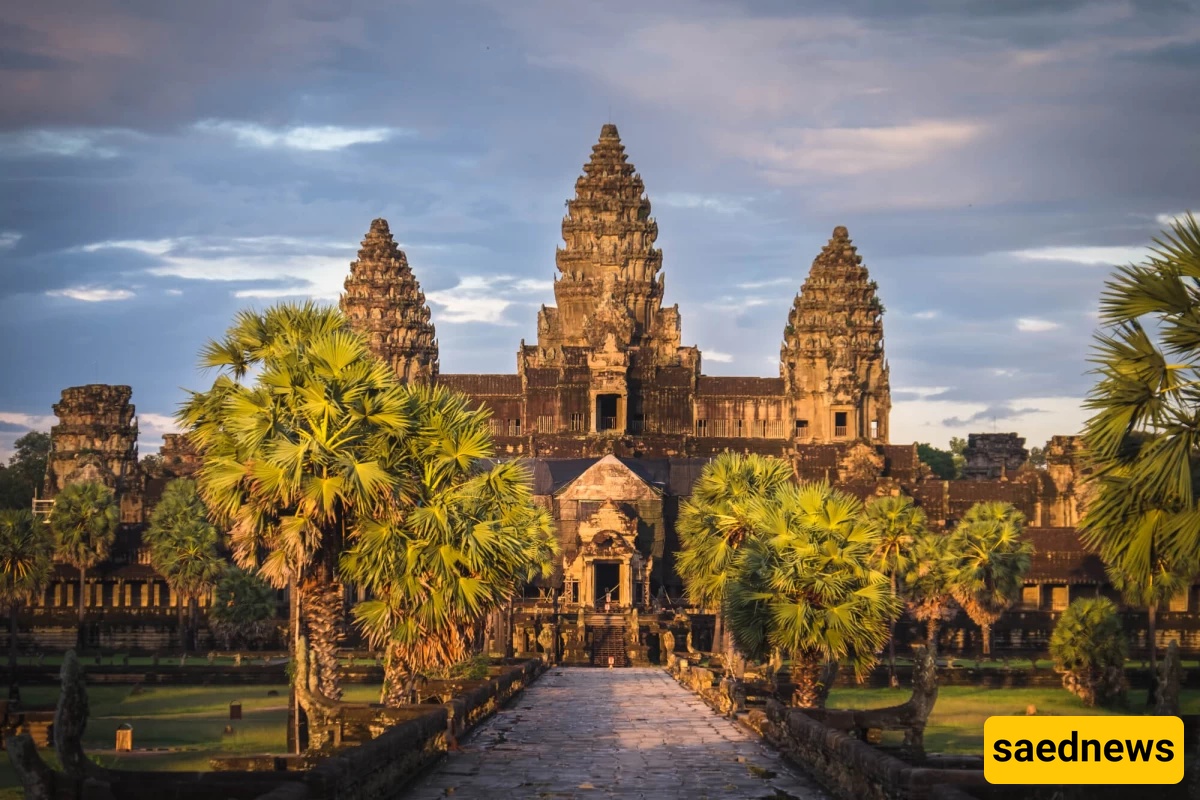
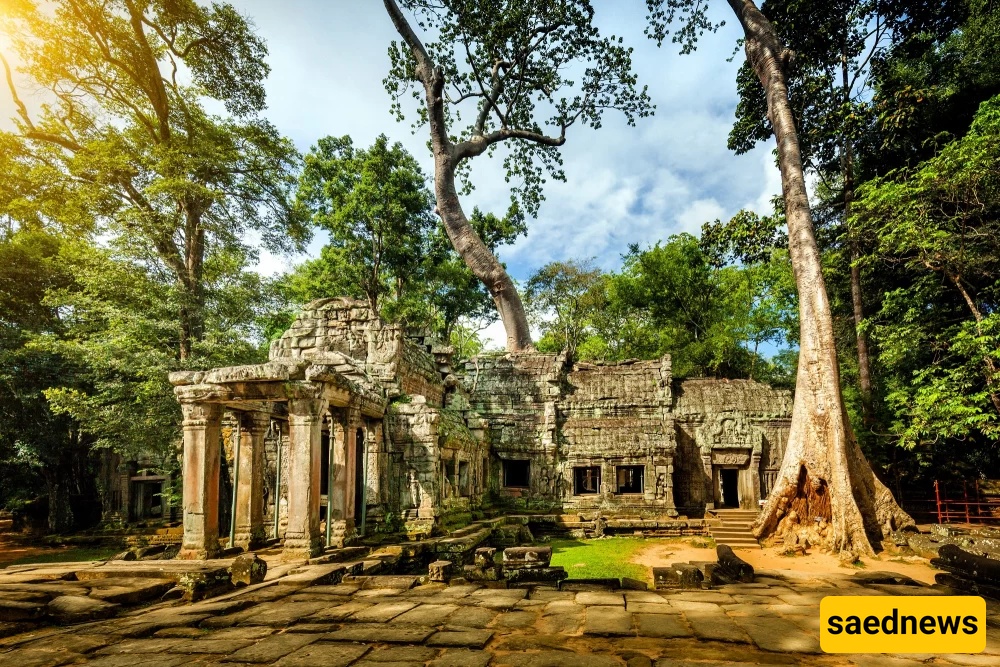
According to Saednews, The wonders of Southeast Asia do not end with Vietnam, Thailand, and Laos. Cambodia, with its beautiful beaches, fascinating cities, architectural masterpieces, delicious cuisine, and warm, welcoming people, is a small yet charming country in Southeast Asia that offers travelers a unique combination of ancient history and modern life.
Located in the Indochina Peninsula, Cambodia shares borders with Thailand, Laos, and Vietnam. The local people mainly speak Khmer, the official language of the country and one of the major languages of Southeast Asia.
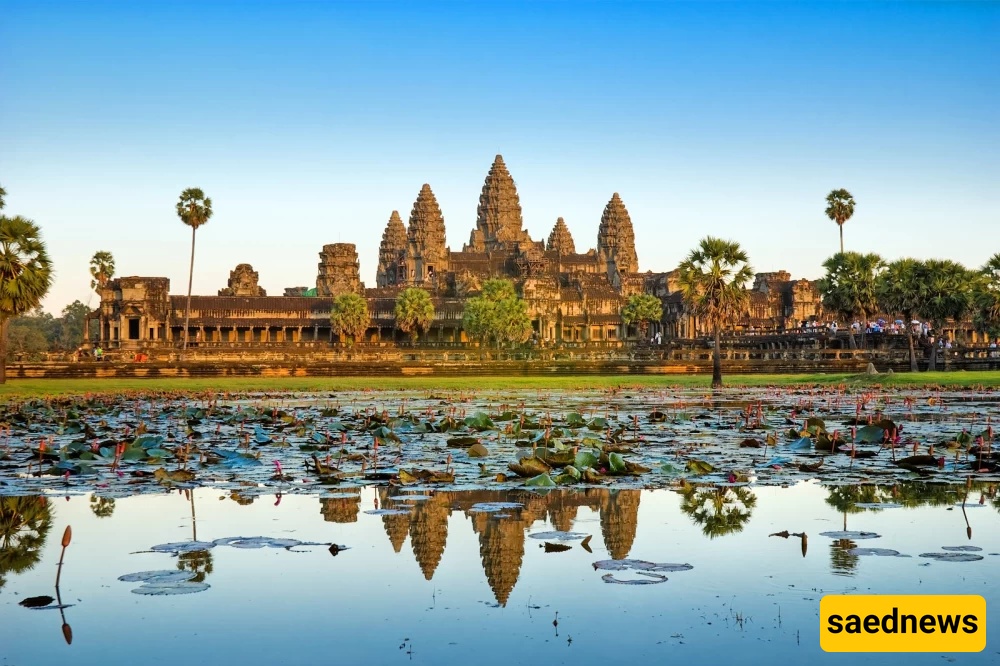
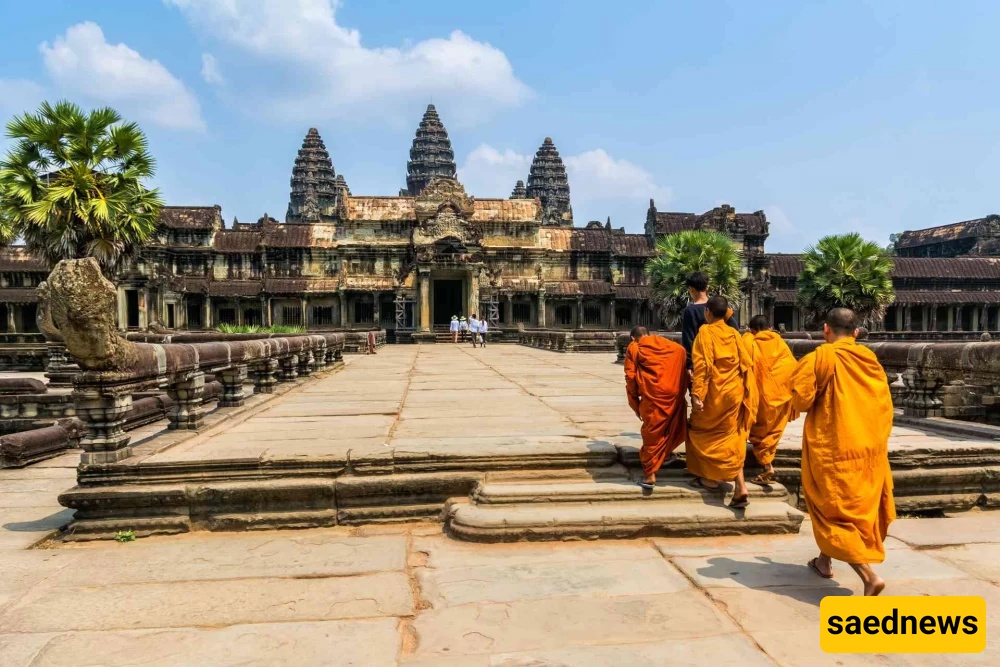
When visiting Cambodia, dressing modestly is a sign of respect and will help you receive a warmer welcome from local people. While beach resorts generally have relaxed clothing rules, visitors entering temples are expected to remove their shoes and follow appropriate dress requirements.
Cambodian culture is also relatively conservative when it comes to public displays of affection. Even simple gestures, such as holding hands with your partner in public, may not always be viewed positively in traditional areas.
Cambodia is a Southeast Asian country situated between Thailand, Laos, and Vietnam. Its strategic location has made it a crossroads of ancient civilizations, trade routes, and cultural influences throughout history.
Cambodia offers a wide range of attractions, from historical landmarks and ancient temples to natural landscapes and traditional villages. Here are some of the best places and experiences to include in your itinerary.
Cambodia’s modern history is deeply connected to the tragic period of the Khmer Rouge regime. One of the country’s most significant historical sites is the Choeung Ek Killing Fields, which provides visitors with a powerful reminder of the dangers of absolute power and the importance of remembering history.
Visitors can reach the site easily by tuk-tuk, a popular three-wheeled local vehicle.
Located near the Gulf of Thailand and around three hours east of Sihanoukville, Kep is a peaceful alternative to the busier coastal destinations.
With beautiful sea views, quiet beaches, and surrounding forests, Kep is ideal for travelers looking for relaxation. Many visitors come here simply to enjoy nature, rest, and escape crowded tourist areas.
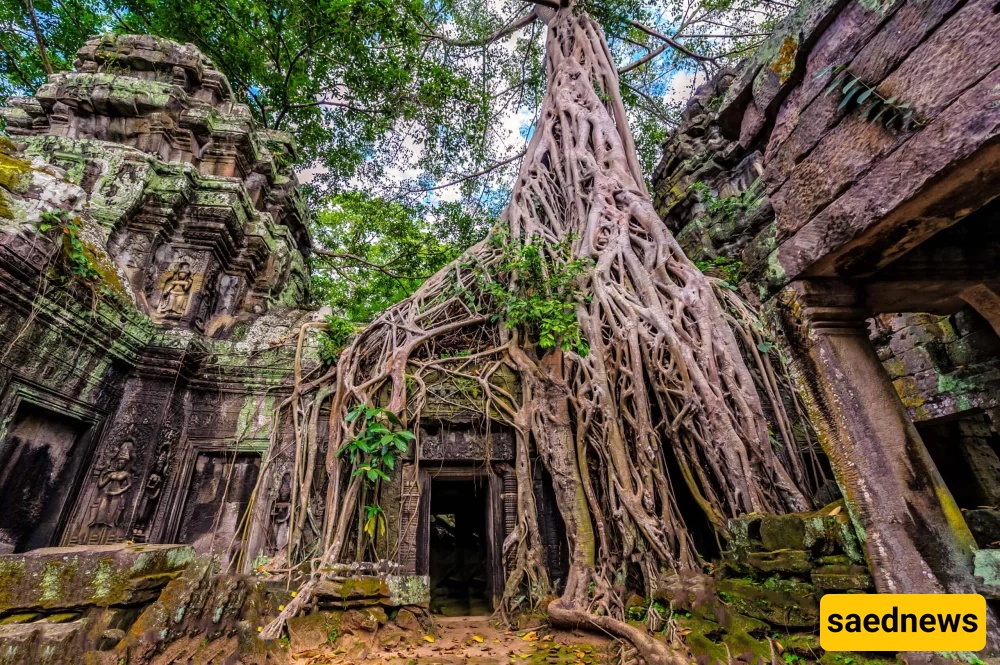
The breathtaking Preah Vihear Temple dates back to the 11th century and is famous for its impressive stone carvings. Due to its historical and architectural importance, it has been listed as a UNESCO World Heritage Site.
Reaching the temple can be challenging because of its remote location and the steep walking routes required to access some areas. The temple has also been the subject of territorial disagreements between Cambodia and Thailand.
Located about 90 minutes from Siem Reap, Phnom Kulen National Park is one of Cambodia’s most beautiful natural attractions.
The park features spectacular waterfalls, ancient ruins, hidden temples, and forest landscapes. It is also historically important because King Jayavarman II declared the beginning of the Khmer Empire here in 802 AD.
The Royal Palace and the Silver Pagoda in Phnom Penh showcase Cambodia’s impressive royal architecture.
Visitors can walk through elegant palace buildings, admire traditional Khmer designs, and learn more about the country’s royal heritage and history.
Cambodia is home to several floating villages where houses are built on wooden or bamboo platforms above the water.
Local sellers travel by boat, offering food and products to residents and visitors. Although interaction with locals may be limited, exploring these communities provides a fascinating look at traditional riverside lifestyles.
The Kampi area, located about 20 kilometers north of Kratie, is one of the best places in Cambodia to see rare Irrawaddy freshwater dolphins.
Because these dolphins are endangered, local communities manage dolphin-watching activities as part of important ecotourism efforts.
Rattanakiri is one of Cambodia’s most impressive natural regions, surrounded by peaceful towns and untouched landscapes.
Visitors can discover waterfalls, lakes, indigenous hill tribe villages, and rare wildlife. Virachey National Park is also an excellent place to observe unique bird species and endangered animals.
The best time to visit Cambodia depends on your travel goals.
From February to April, temperatures and humidity levels become very high, making this period more suitable for beach activities.
For exploring temples and historical attractions, November to January offers cooler and more comfortable weather.
The rainy season, from May to October, transforms Cambodia into a lush green destination with fewer tourists. However, the busiest travel season is generally from November to March when pleasant weather attracts visitors from around the world.
Cambodia offers accommodation options for every budget. Budget travelers can find clean guesthouses and hostels for only a few dollars per night, especially in Phnom Penh, Siem Reap, and Sihanoukville.
Mid-range hotels and luxury resorts are usually located near major tourist areas and city centers.
Borei Angkor Resort & Spa
Shinta Mani Angkor
Tara Angkor Hotel
Mad Monkey Phnom Penh Hostel
Sokha Angkor Resort
Royal Angkor Resort
Memoire d’ Angkor Boutique Hotel
Khumara Angkor Hotel
Cambodian cuisine is generally milder than Thai food, with flavors of lime, herbs, and coriander commonly used.
One of the country’s most famous national dishes is Fish Amok, a flavorful fish curry traditionally prepared with coconut milk and banana leaves.
A combination of beef bones, rice noodles, vermicelli, bean sprouts, spring onions, and aromatic herbs.
A refreshing mixture of chicken breast, banana blossoms, fried garlic, shallots, chili, and lemongrass.
Stir-fried beef served with tomatoes, cucumber, and sliced onions.
A rich combination of chicken, coconut milk, fish sauce, vegetables, sweet potatoes, garlic, turmeric, ginger, and spices.
Traditional Cambodian rice noodles served with herbs, vegetables, cucumber, bean sprouts, mint, and basil.
For local drinks, visitors can try green tea, fresh fruit shakes, and traditional beverages sold in markets and street stalls.
Cambodia’s transportation network has improved significantly in recent years, making travel between cities easier.
Buses are the cheapest and most convenient option for traveling between major cities.
Shared taxis are useful for shorter road journeys but often become crowded quickly. Passengers who want front seats may need to pay extra.
Tuk-tuks are motorcycle-powered passenger vehicles commonly used for short trips within cities and tourist areas.
Boats operate between destinations such as Phnom Penh, Siem Reap, and Battambang, offering a scenic way to travel.
Taxis are more expensive than public transportation, and negotiating the fare is often necessary.
Cambodia’s railway system is still developing. Current routes connect Phnom Penh with Sihanoukville and Poipet.
Domestic flights mainly operate between Phnom Penh, Siem Reap, and Sihanoukville, although prices can be relatively high.
Cambodia is considered an affordable travel destination compared with neighboring countries such as Thailand and Vietnam.
The official currency is the Cambodian riel, but US dollars are widely accepted in many shops, hotels, and tourist attractions.
A comfortable trip to Cambodia may cost around $120 per person per day, depending on accommodation choices, food preferences, activities, entrance fees, and travel season.
Cambodia is a destination where ancient temples, fascinating history, natural beauty, and welcoming communities come together. Whether you are exploring Angkor’s magnificent temples, relaxing on peaceful beaches, discovering traditional villages, or tasting local cuisine, Cambodia offers unforgettable experiences for every type of traveler.
Planning ahead, respecting local customs, choosing the right travel season, and understanding transportation options will help you enjoy a smoother and more memorable journey through this remarkable Southeast Asian country.