SAEDNEWS: Kosterhavet Marine National Park, located along Sweden’s western coast, is one of Europe’s most beautiful and well-preserved marine environments, known for its extraordinary biodiversity and unique underwater ecosystems.
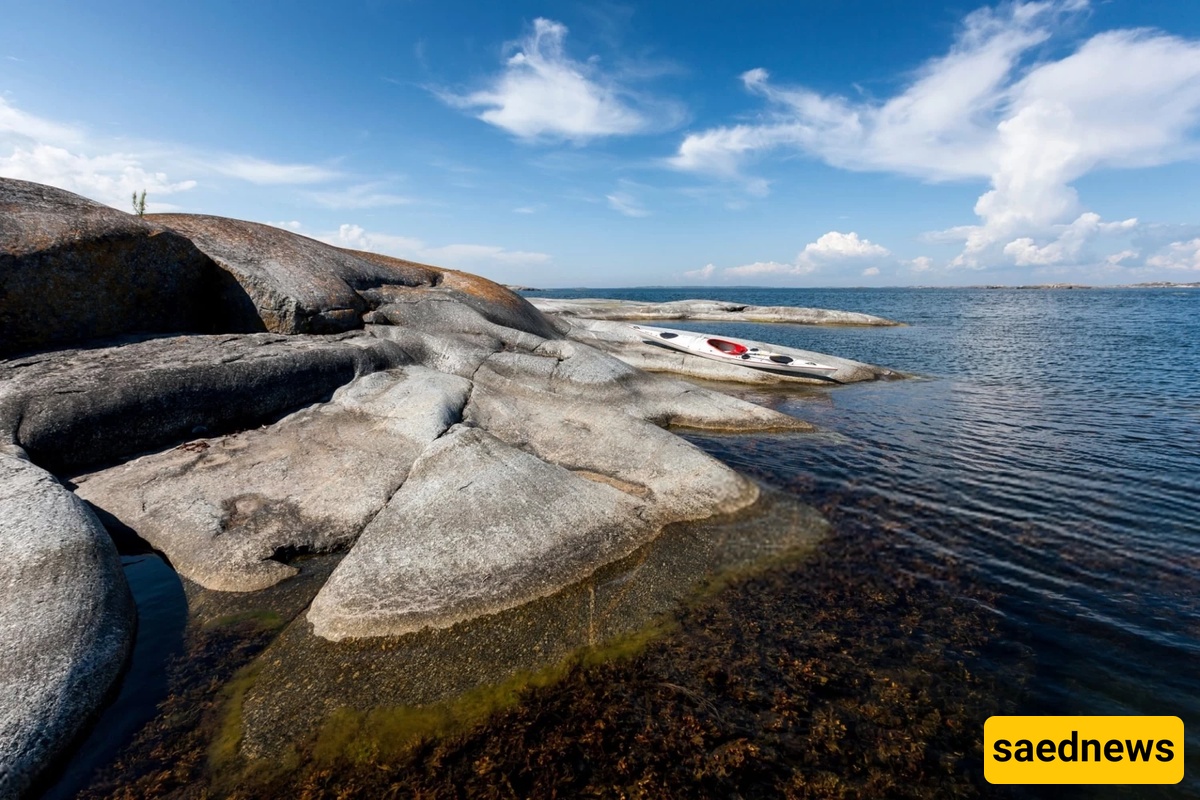
According to Saednews, Located along the western coast of Sweden, Kosterhavet National Park is recognized as one of Europe’s most beautiful and well-preserved marine environments. With its exceptional biodiversity, unique underwater ecosystems, and protected coastal landscapes, the park attracts thousands of visitors, researchers, and nature enthusiasts every year. This article explores the natural features, ecological importance, and conservation efforts of Kosterhavet National Park.
Established in 2009, Kosterhavet National Park became Sweden’s first marine national park and one of the largest protected marine areas in Europe. Covering approximately 250 square kilometers, the park includes crystal-clear waters, small islands, rocky reefs, and diverse marine habitats that support many rare and threatened species.
The park is centered around the waters surrounding the Koster Islands and represents a unique combination of coastal landscapes and underwater environments. Its protected waters provide an ideal refuge for a wide range of marine organisms.
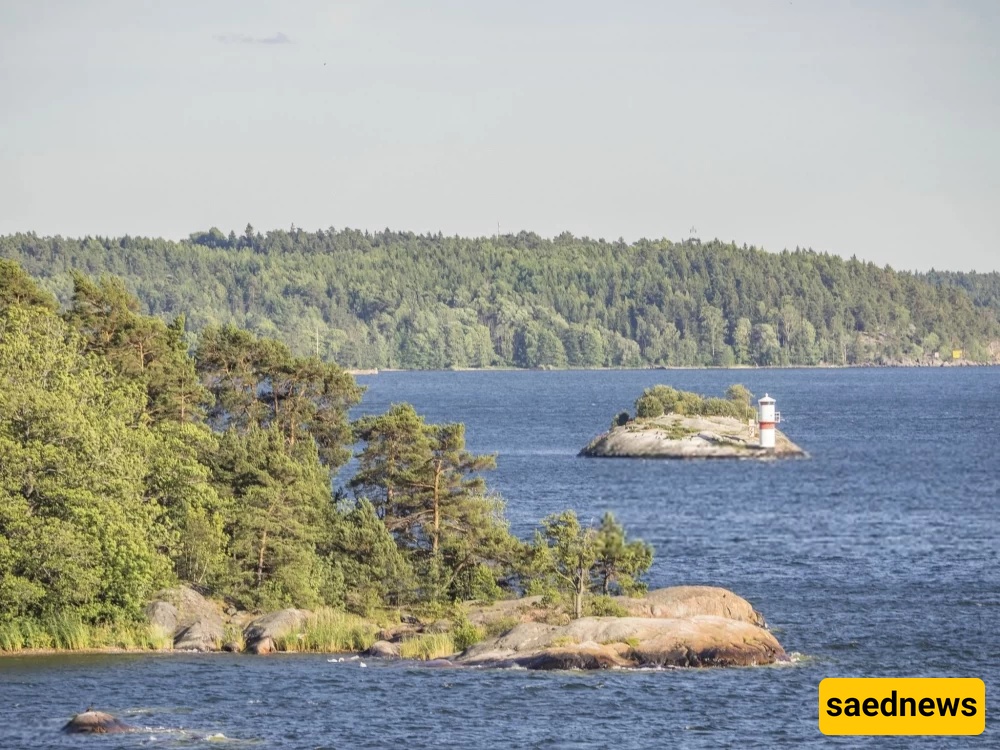
Kosterhavet National Park is located in the northern part of the Skagerrak, close to Sweden’s border with Norway. The area consists of numerous islands, underwater cliffs, rocky shores, and deep marine channels.
The region has a temperate coastal climate, with seawater temperatures generally ranging from around 5°C to 18°C throughout the year. These conditions create a suitable environment for various marine plants and animals, including species that are uncommon elsewhere in Swedish waters.
Kosterhavet is home to more than 1,000 marine species, making it one of the richest marine ecosystems in Sweden and one of the most biologically diverse coastal areas in Europe.
The park provides habitats for many types of fish, including cod, pollock, wrasse, and other coastal species. The variety of marine life makes the area a popular destination for diving, snorkeling, and underwater exploration.
The clear waters and healthy marine habitats allow visitors to observe fascinating underwater communities and experience Sweden’s unique marine environment.
Beyond fish species, Kosterhavet supports a wide range of marine invertebrates, including starfish, crabs, sea urchins, and shellfish. The park also contains hundreds of species of algae and marine plants that play an essential role in maintaining the balance of the ecosystem.
These underwater forests and habitats provide food and shelter for many marine creatures, contributing to the overall health of the coastal environment.
Kosterhavet National Park is not only a natural attraction but also a vital part of Europe’s marine conservation efforts. As a protected area, it serves as an example of sustainable management of marine resources and demonstrates how conservation can protect biodiversity while allowing responsible public access.
The park helps preserve fragile underwater habitats, supports marine research, and contributes to a better understanding of ocean ecosystems.
Kosterhavet National Park is an important research location for scientists studying marine ecosystems, climate change, and the effects of human activities on ocean environments.
Research conducted in the area helps experts monitor changes in marine biodiversity, understand environmental challenges, and develop strategies for protecting coastal ecosystems in the future.
The park provides valuable opportunities for environmental education and public awareness. Guided tours, educational programs, and marine activities help visitors learn about ocean conservation and the importance of protecting marine resources.
By increasing knowledge about marine ecosystems, Kosterhavet encourages greater responsibility toward preserving the world’s oceans.
Despite its protected status, Kosterhavet National Park faces several environmental challenges, including increasing tourism, pollution, and climate change.
Tourism provides economic support for conservation projects and helps people connect with nature. However, excessive visitor numbers and human activities can place pressure on sensitive marine habitats.
Careful management of tourism activities is necessary to ensure that visitors can enjoy the park without harming its ecosystems.
Human-generated pollution and changing climate conditions are among the greatest threats facing the park. Rising sea temperatures, ocean changes, and pollution can affect marine habitats, reduce biodiversity, and disturb natural ecological processes.
Conservation programs and scientific monitoring are essential to protect the long-term health of this marine environment.
Kosterhavet National Park represents one of Sweden’s most remarkable natural treasures. With its rich underwater biodiversity, unique coastal landscapes, and important role in marine conservation, the park offers both scientific value and unforgettable experiences for visitors.
Through sustainable tourism, environmental education, and continued conservation efforts, Kosterhavet can remain a protected marine sanctuary for future generations.
Kosterhavet National Park is a remarkable destination where pristine waters, diverse marine life, and conservation efforts come together. It stands as a symbol of Sweden’s commitment to protecting ocean environments while allowing people to explore and appreciate the beauty of the marine world.