SAEDNEWS: Vulcano Island, Italy: A Unique Destination with Mythological History, Active Volcanoes, Therapeutic Beaches, and Rich Culture
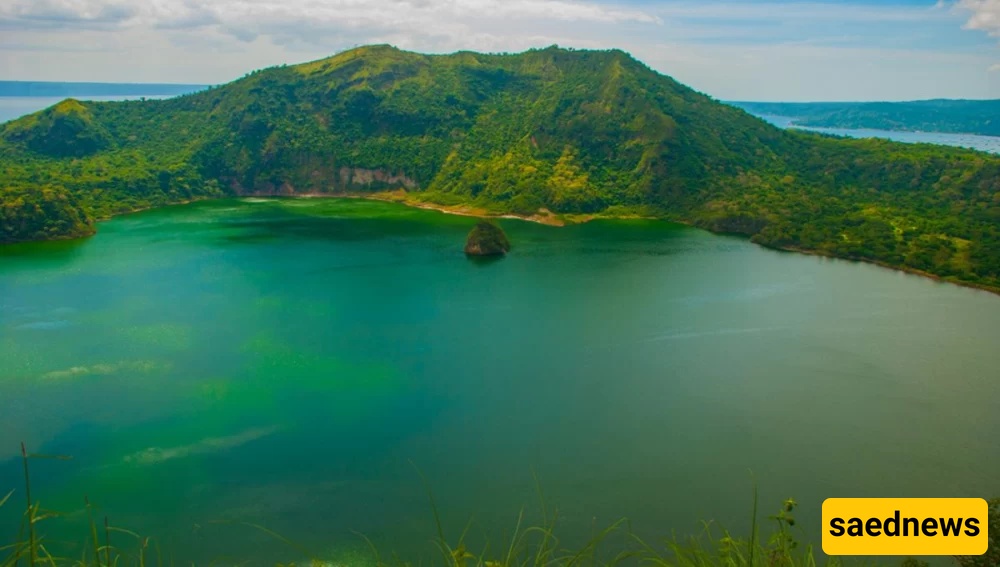
According to Saednews, Vulcano Island, one of the natural and historical attractions in Italy, has always attracted tourists and researchers. This small yet beautiful island, with its breathtaking landscapes, rich culture, and fascinating history, is known as one of the top tourist destinations in the Mediterranean Sea. In this article, we will explore Vulcano Island, its features, tourist attractions, and important tips for visitors.
Vulcano Island is part of the Aeolian Islands, located north of Sicily. The island is named after Vulcano, the Roman god of fire. It is believed that this island was considered the home of Vulcan, the god of fire and volcanoes in Roman mythology. The history of Vulcano Island dates back to ancient times, when it was regarded as an important commercial and cultural center.
The island has long been influenced by volcanic activity, which has created its unique landscapes. Over past centuries, the inhabitants of the island shaped their lives using its natural resources and beauty, developing a distinct local culture and art.
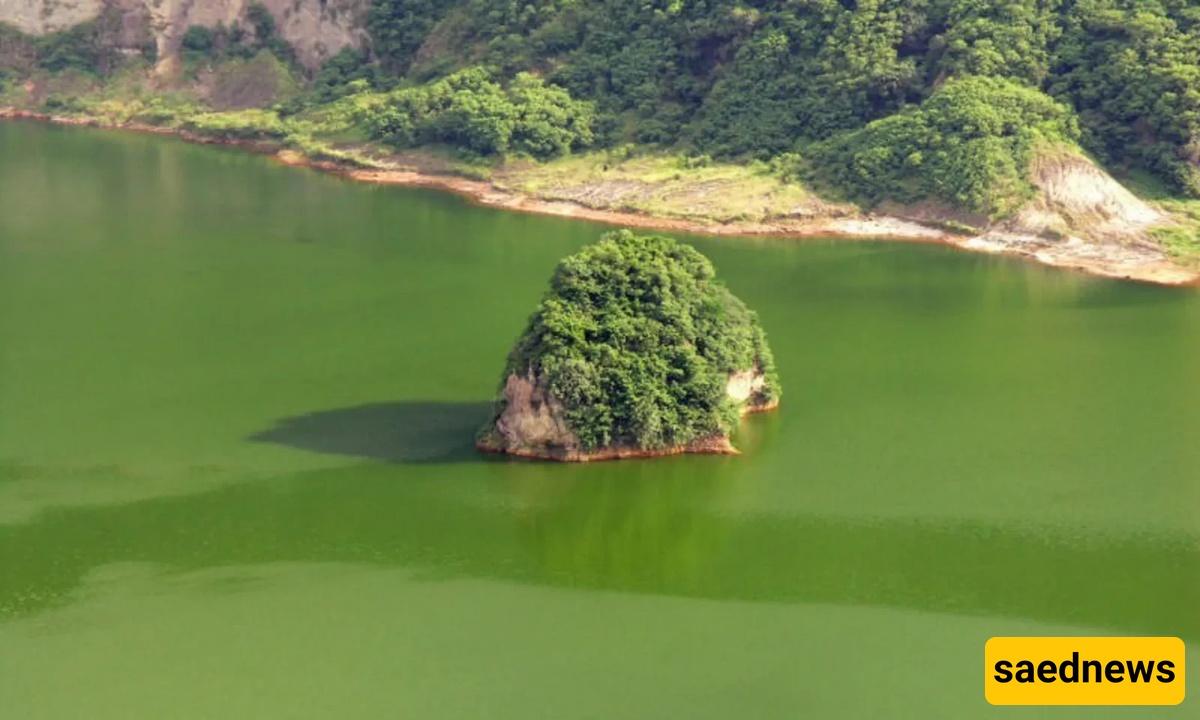
With an area of about 21 square kilometers, Vulcano Island has unique geographical characteristics. It includes active and inactive volcanoes, beautiful beaches, and steep cliffs. The Vulcano volcano, known for its volcanic activity, is one of the island’s main attractions.
The beaches of Vulcano Island, with their clear and clean waters, are ideal for swimming and water activities. Both sandy and rocky beaches add to the island’s charm and attract many visitors. In addition, the diverse vegetation and stunning natural landscapes offer a unique experience for tourists.
Vulcano Island offers a wide range of natural and historical attractions for visitors. Some of the main attractions include:
The Vulcano volcano is one of the island’s most important attractions. Visiting this volcano and observing its activity provides a unique experience. Tourists can use designated trails to hike to the crater and enjoy the breathtaking views.
The beaches of Vulcano Island are famous for their warm mineral waters and therapeutic properties. Many visitors come seeking relaxation and wellness experiences. The most popular beaches include “Sabbie Nere” (Black Sands) and “Vulcano Porto,” each offering its own unique beauty.
Vulcano Village, located on the northern coast of the island, is known for its traditional architecture and local culture. Visitors can explore the village, enjoy local cuisine, and purchase handmade crafts.
The island has museums dedicated to its history and culture. Visiting these museums helps tourists learn more about the island’s past, mythology, and local art.
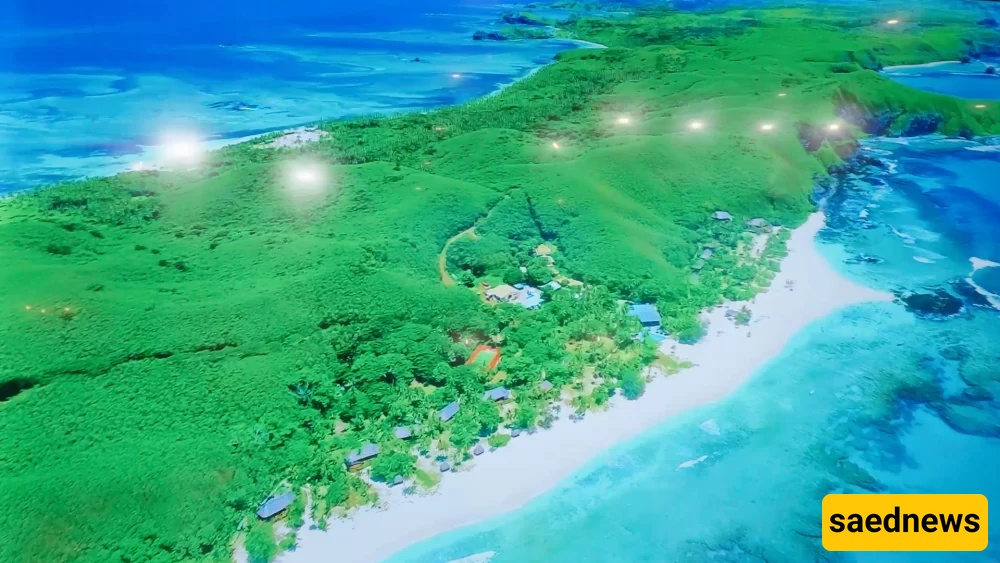
The best time to visit Vulcano Island is during spring and autumn. During these seasons, the weather is mild and pleasant, and the island is less crowded than in summer.
Vulcano Island can be reached by ferries or tourist boats. On the island, bicycles and car rentals are available to make transportation easier.
The local cuisine of Vulcano Island, especially seafood dishes, should not be missed. Local restaurants and cafés offer a variety of traditional Italian foods.